.svg)


%201.png)



Designing for the Senses: Homes That Look, Feel, and Sound Amazing
Designing for the Senses: Creating Homes That Speak to the Soul
A truly remarkable home doesn’t just look beautiful—it feels alive. It wraps you in comfort, speaks to your emotions, and connects with you on a deeper level. Designing for the senses takes homebuilding beyond aesthetics, creating spaces that resonate with how we experience the world. It’s about crafting a home that’s not just seen, but felt, heard, and even smelled.

Here’s how to design a home that inspires every sense.
Sight: Crafting Visual Harmony That Inspires
The way a home looks is often the first thing we notice, but it’s the subtle details that make it unforgettable. Great design balances bold statements with quiet moments, creating spaces that feel cohesive and intentional.
- Natural Light Is Non-Negotiable:
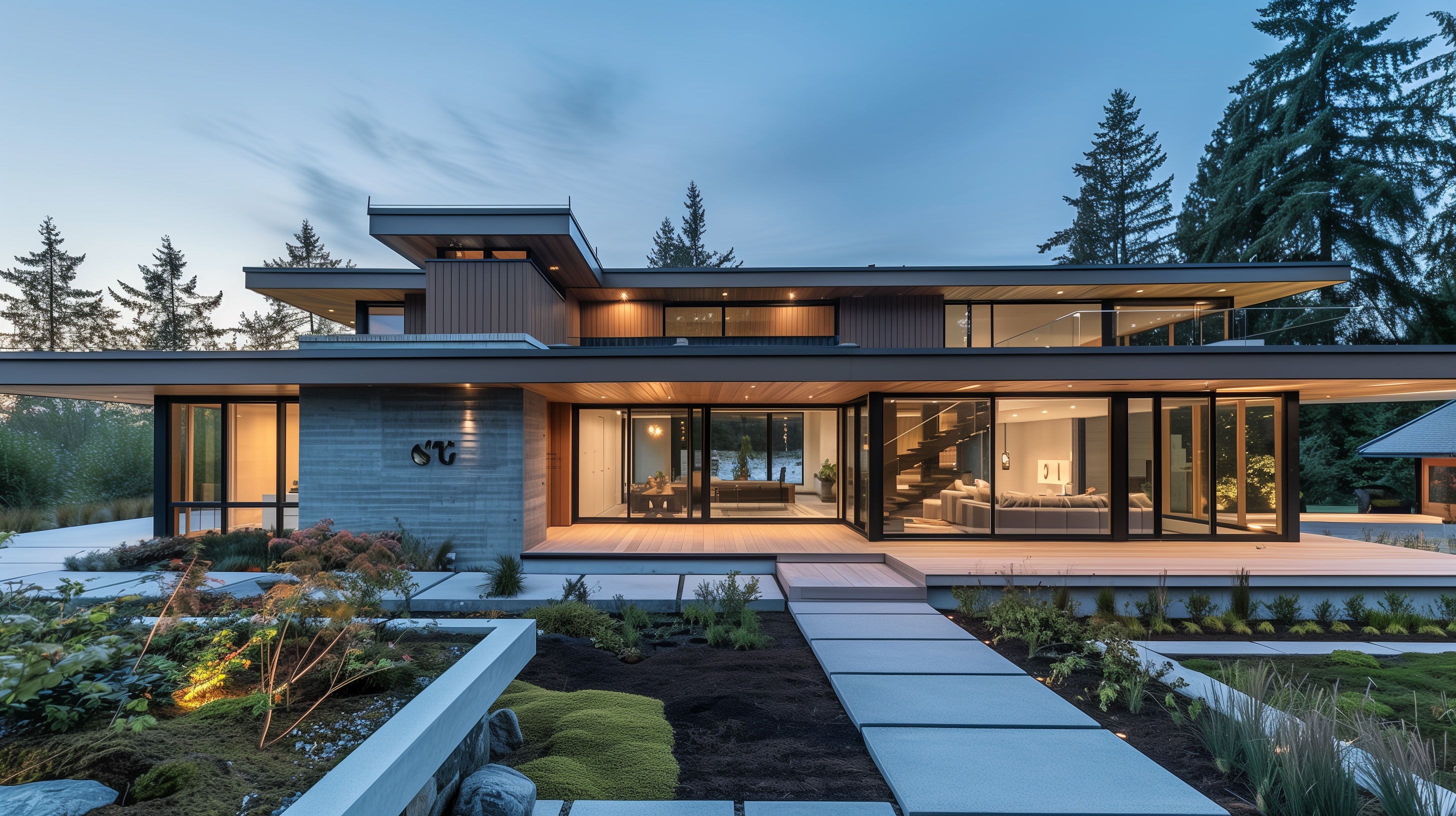
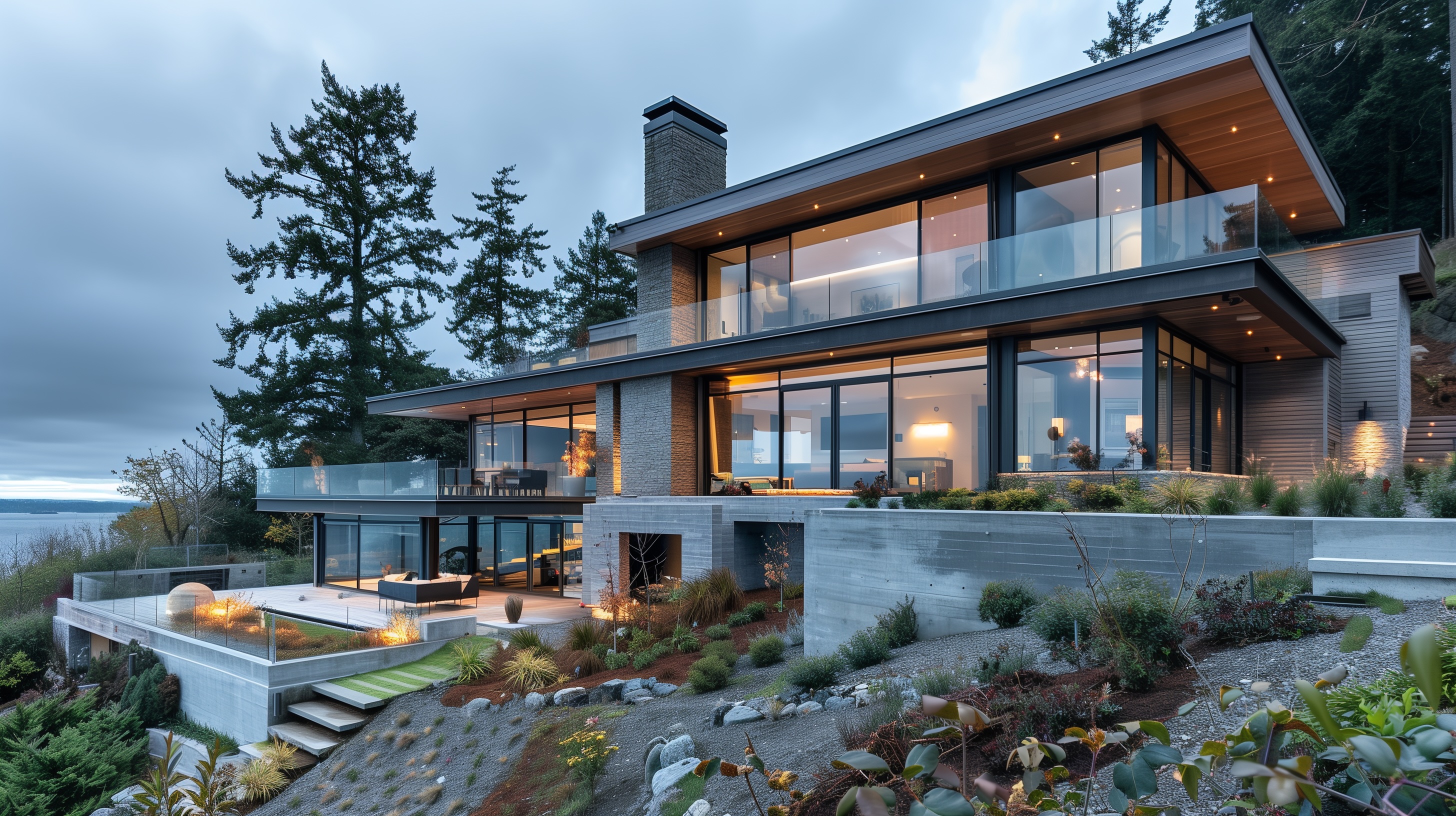
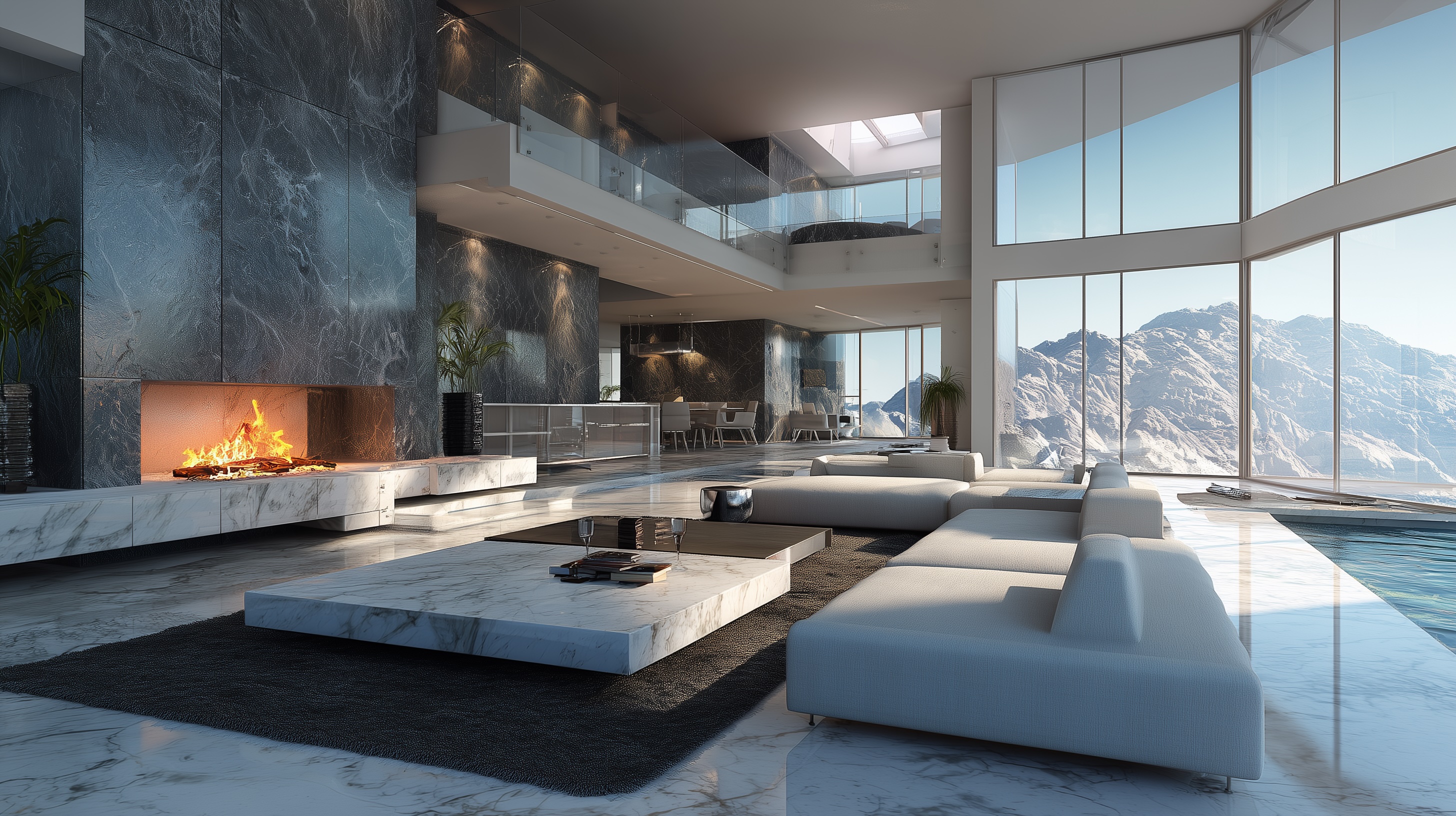
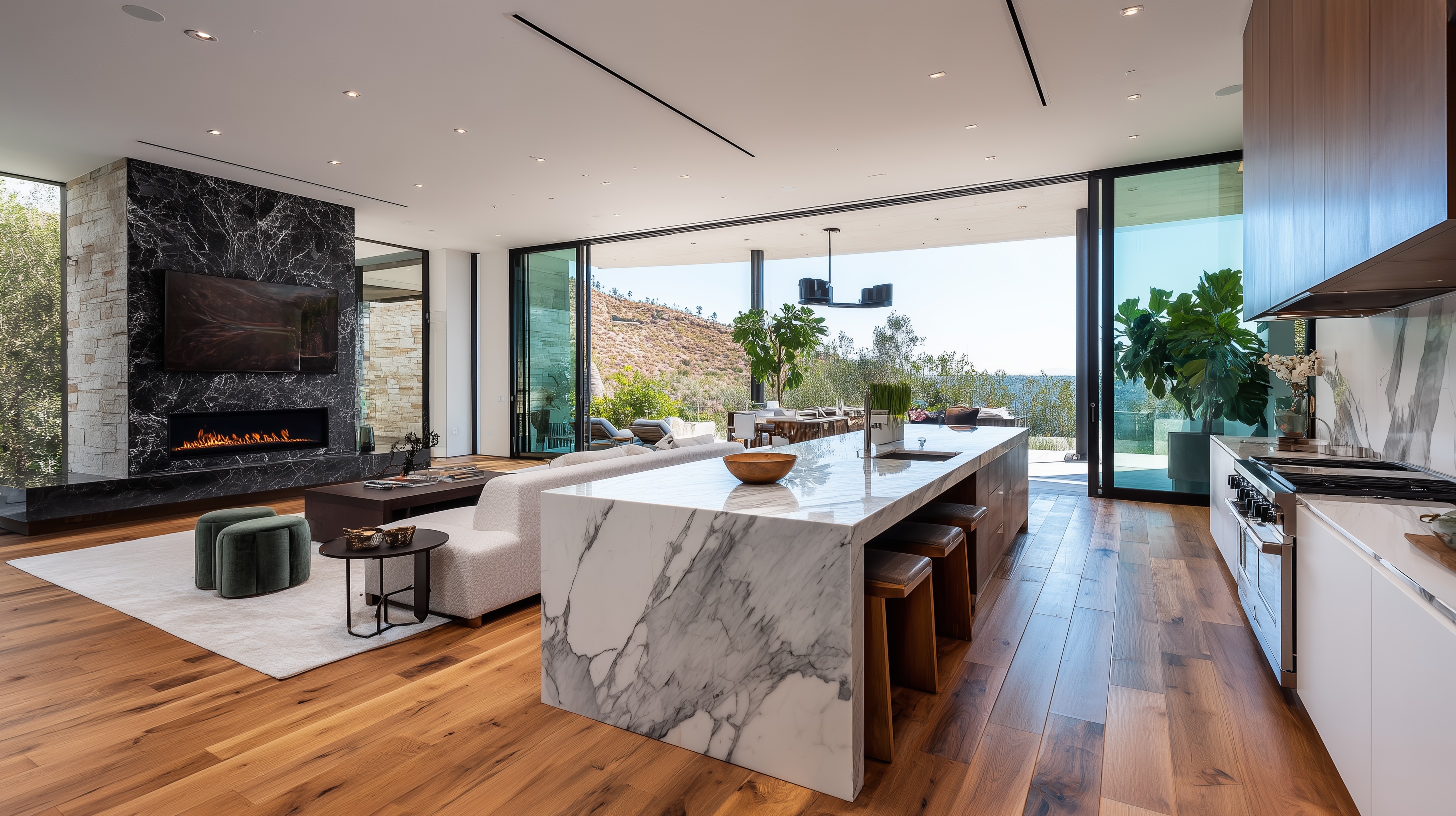
Sunlight is a mood booster, a productivity hack, and a design element all in one. Floor-to-ceiling windows, skylights, and well-placed mirrors can amplify natural light, making spaces feel larger and more inviting.
Pro Tip: South-facing windows maximize sunlight in colder climates, while overhangs or shades can prevent overheating in warmer regions. - Layered Lighting for Every Mood:
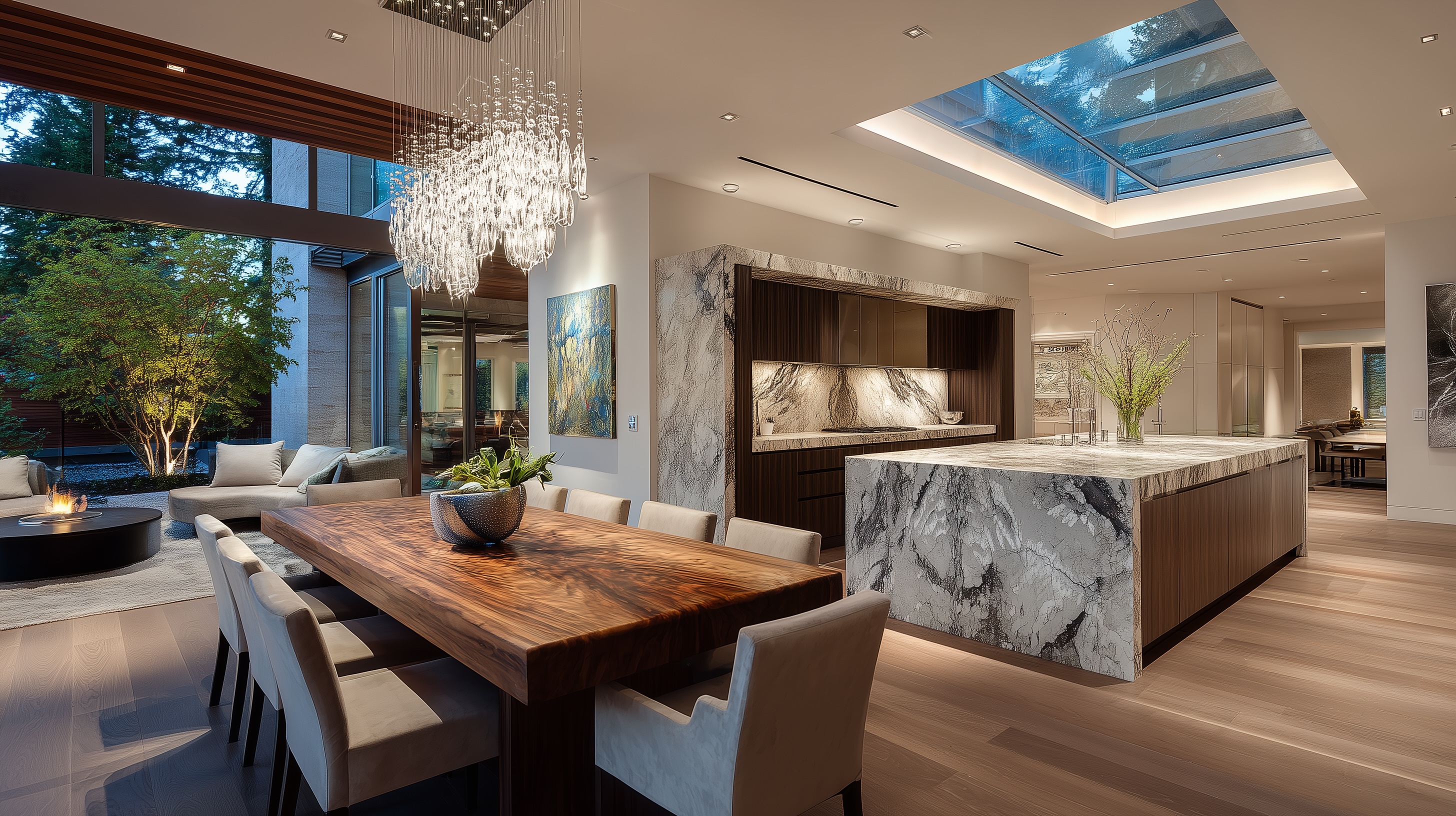
A single overhead light won’t cut it. Combine ambient lighting (like chandeliers or recessed lights) with task lighting (think under-cabinet LEDs) and accent lighting (spotlights for artwork) to create depth and atmosphere.
Inspiration: Imagine a dining room with a dimmed chandelier for intimate dinners, paired with subtle wall sconces that highlight architectural details. - Color Psychology in Action:
Colors are more than decoration—they’re mood-setters. Soft blues and greens create a calming retreat in bedrooms, while vibrant yellows energize kitchens. Want a timeless, sophisticated vibe? Stick to neutral palettes but layer in bold accents through artwork or furniture.
Touch: The Subtle Power of Texture
You may not consciously think about texture, but your hands and feet notice it every day. The way a surface feels can evoke comfort, luxury, or even nostalgia.
- The Warmth of Natural Materials:
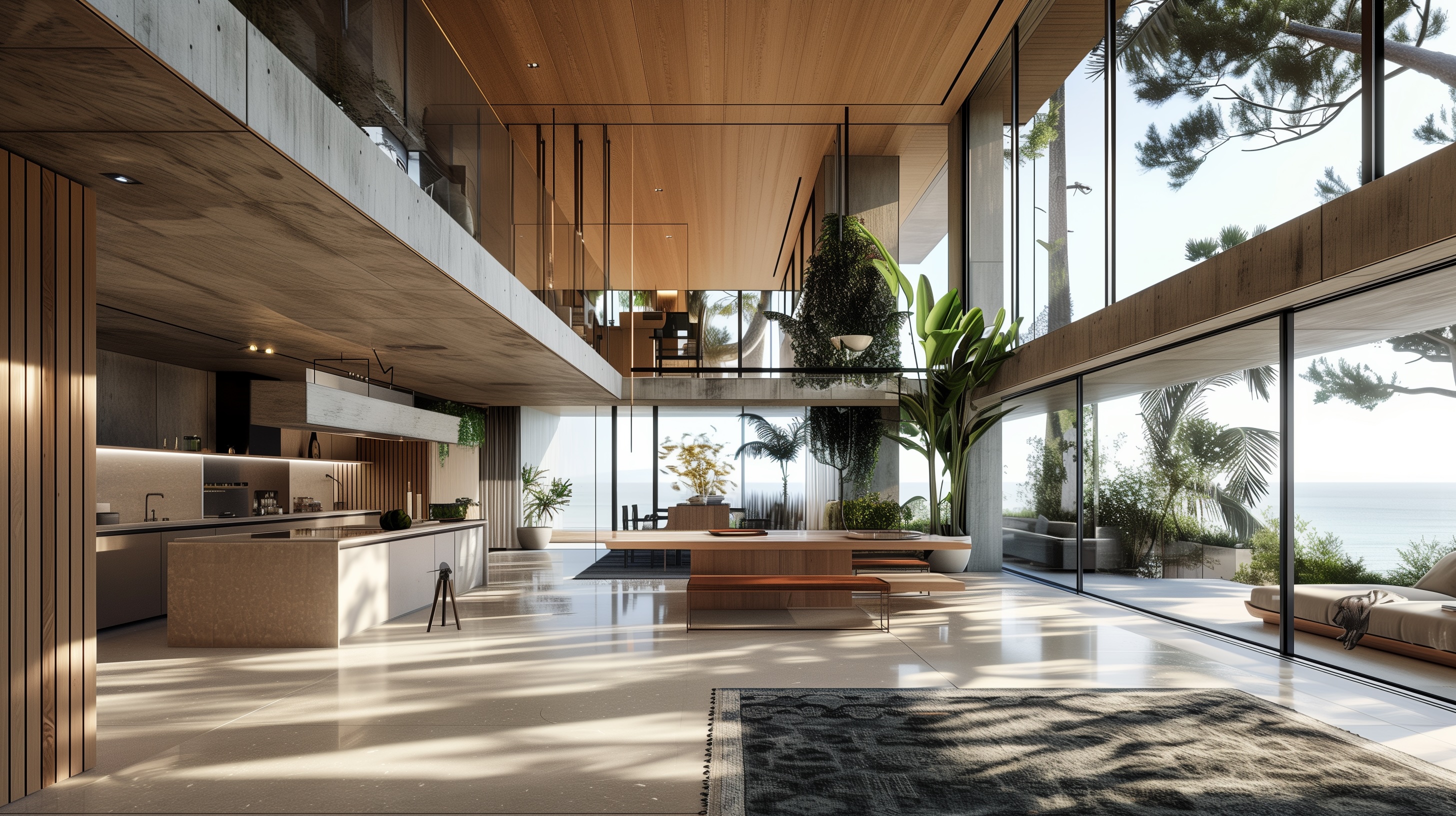
There’s something grounding about running your hand along a smooth wooden banister or stepping onto a stone floor warmed by radiant heating. Materials like reclaimed wood, polished concrete, and natural stone bring an organic, tactile element to your home.
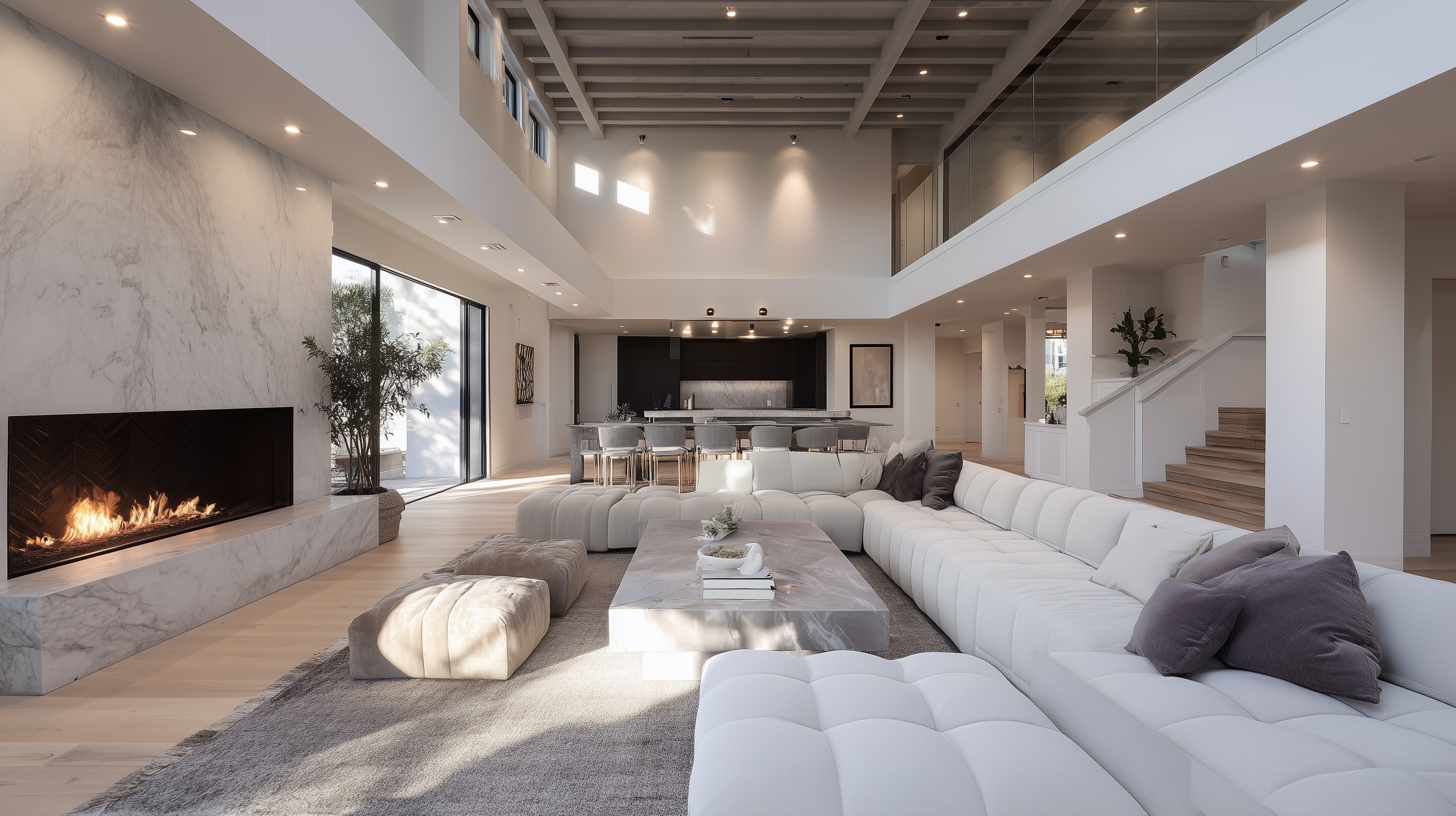
Inspiration: A living room with a handwoven wool rug underfoot, a leather armchair in the corner, and a stone fireplace as the centerpiece. - Soft Meets Hard:
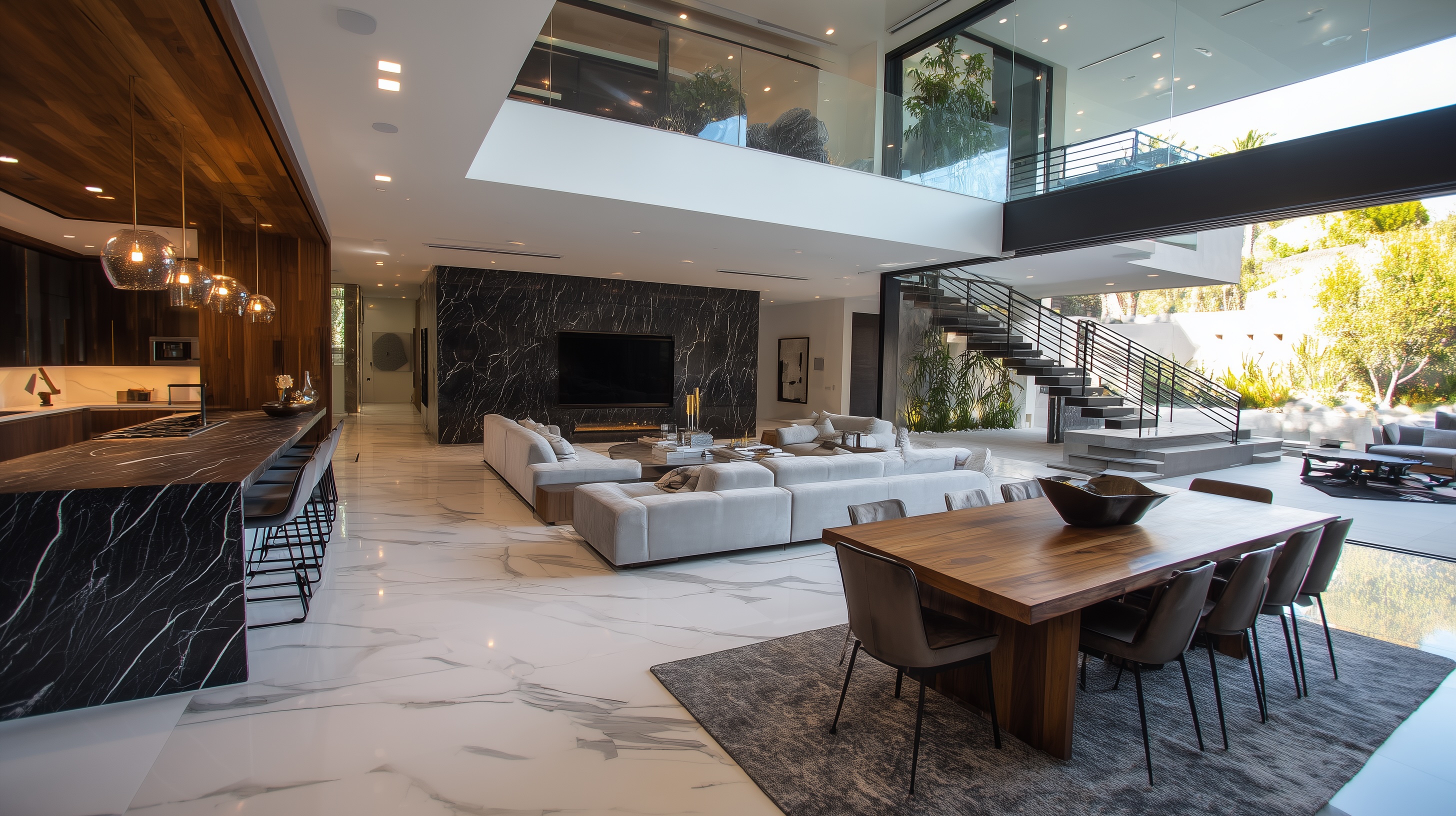
Balance is key. Pair soft, cozy elements like plush throws and velvet cushions with harder surfaces like metal or glass to create contrast. This interplay of textures keeps a space dynamic and interesting. - Temperature Matters Too:
Radiant floor heating, touchless faucets, and smart thermostats are not just functional—they enhance how your home feels. There’s nothing like stepping out of bed on a cold morning onto a warm floor.
Sound: Designing for Serenity and Energy
Sound can transform a space, whether it’s the soothing trickle of water or the lively hum of a family gathering. Thoughtful acoustic design ensures your home sounds as good as it looks.
- Quiet Comfort:
Soundproofing is essential in today’s homes, especially in urban areas. Acoustic panels, soundproof windows, and insulated walls can create a peaceful sanctuary, even in the busiest neighborhoods.
Inspiration: A home office where you can’t hear the kids playing outside, or a media room where every explosion in an action movie feels immersive. - The Magic of White Noise:
Incorporate elements that naturally produce calming sounds, like indoor fountains or outdoor water features. They don’t just look beautiful—they mask unwanted noise and create a serene atmosphere. - Smart Sound Systems:
Whole-home audio systems let you control music or podcasts in every room. Imagine starting your morning with calming piano music in the kitchen, transitioning to upbeat tunes in your gym, and ending the day with a soothing playlist in your bedroom.
Smell: The Invisible Mood-Setter
Scent is one of the most powerful senses—it’s tied to memory and emotion. A home with a pleasant, natural aroma feels welcoming and comforting.
- Fresh Air, Always:
Ventilation is key. Install energy-efficient systems that bring in fresh air while filtering out allergens and pollutants.
Pro Tip: Add operable windows in unexpected places, like bathrooms or stairwells, to keep airflow moving naturally. - Signature Scents:
Create a signature scent for your home with diffusers, candles, or even fresh flowers. Lavender promotes relaxation, citrus energizes, and cedarwood adds warmth.
Inspiration: A cedarwood-scented entryway that feels like stepping into a luxurious spa. - Material Choices Matter:
Opt for low-VOC paints, finishes, and materials to avoid chemical odors. Natural materials like untreated wood or organic fabrics contribute to a fresh, clean-smelling home.
A Home That Speaks to Your Soul
Designing for the senses goes beyond creating a beautiful space—it’s about building a home that connects with you on every level. It’s the feeling of sunlight on your face as you sip coffee by the window. It’s the warmth of a stone fireplace on a rainy night. It’s the subtle scent of lavender as you drift off to sleep. When you design for the senses, you’re not just building a home—you’re creating an experience.