.svg)


%201.png)



Designing Arrival, Light & Flow
Designing Arrival, Light & Flow
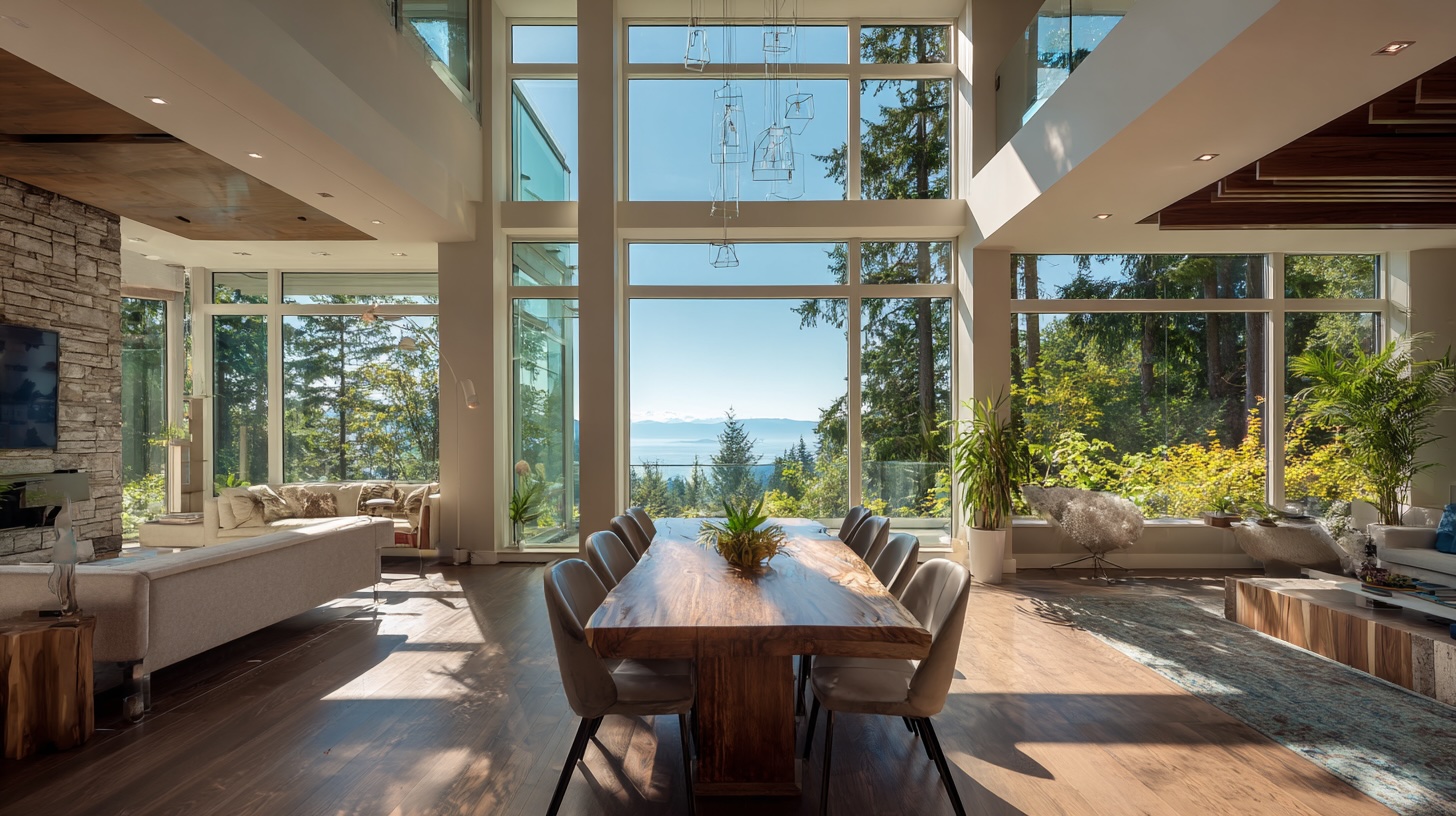
In collaboration with our Architect & Project Management Team
A well-designed home is not defined by square footage.
It is defined by how it feels when you enter it.
How it moves you through it.
How it holds light.
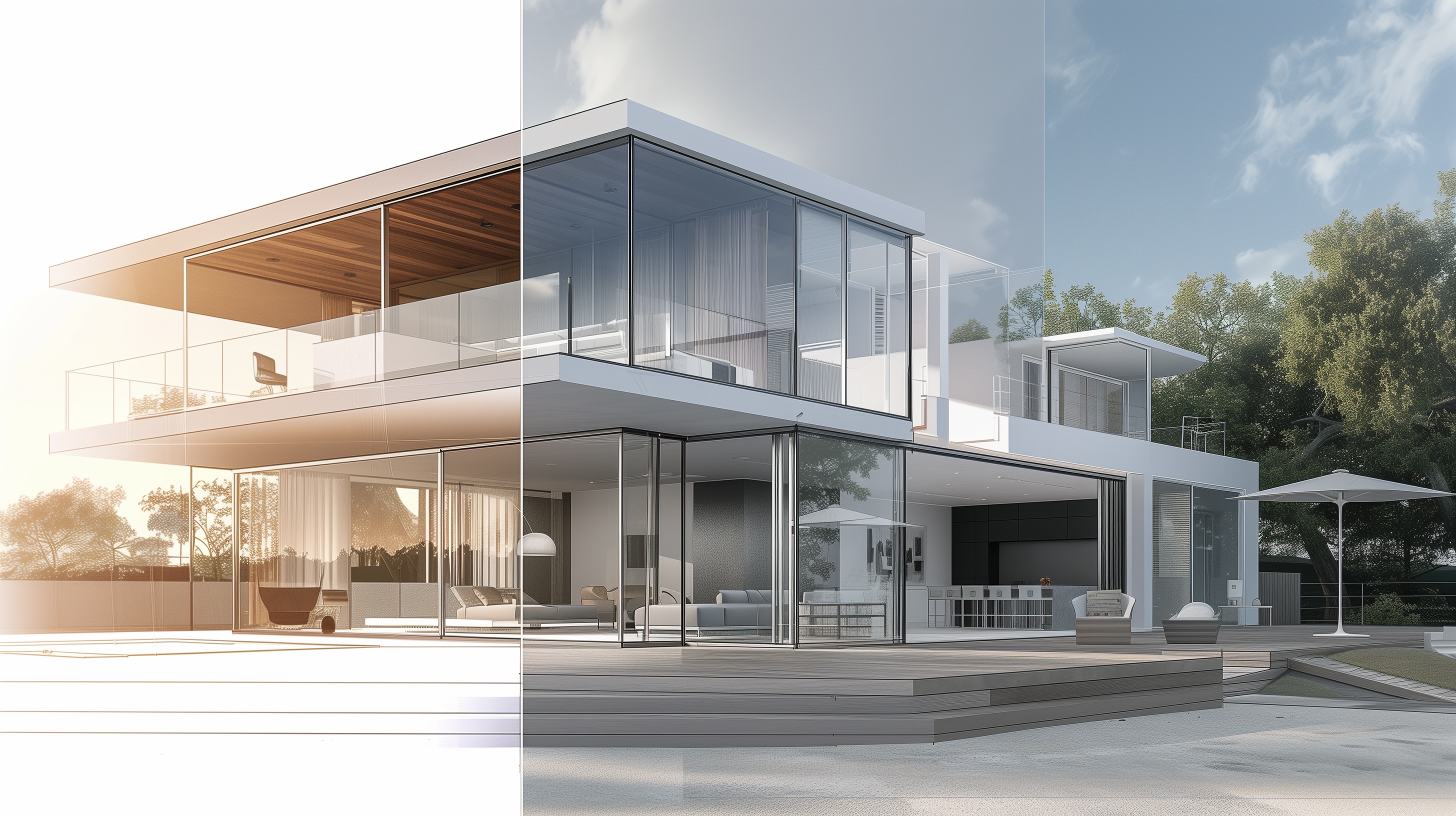
At Homes by Westgate, designing arrival, light, and flow is not aesthetic layering — it is architectural strategy. These principles are embedded during pre-construction and refined through architectural development, ensuring the finished home feels intentional from the first step inside.
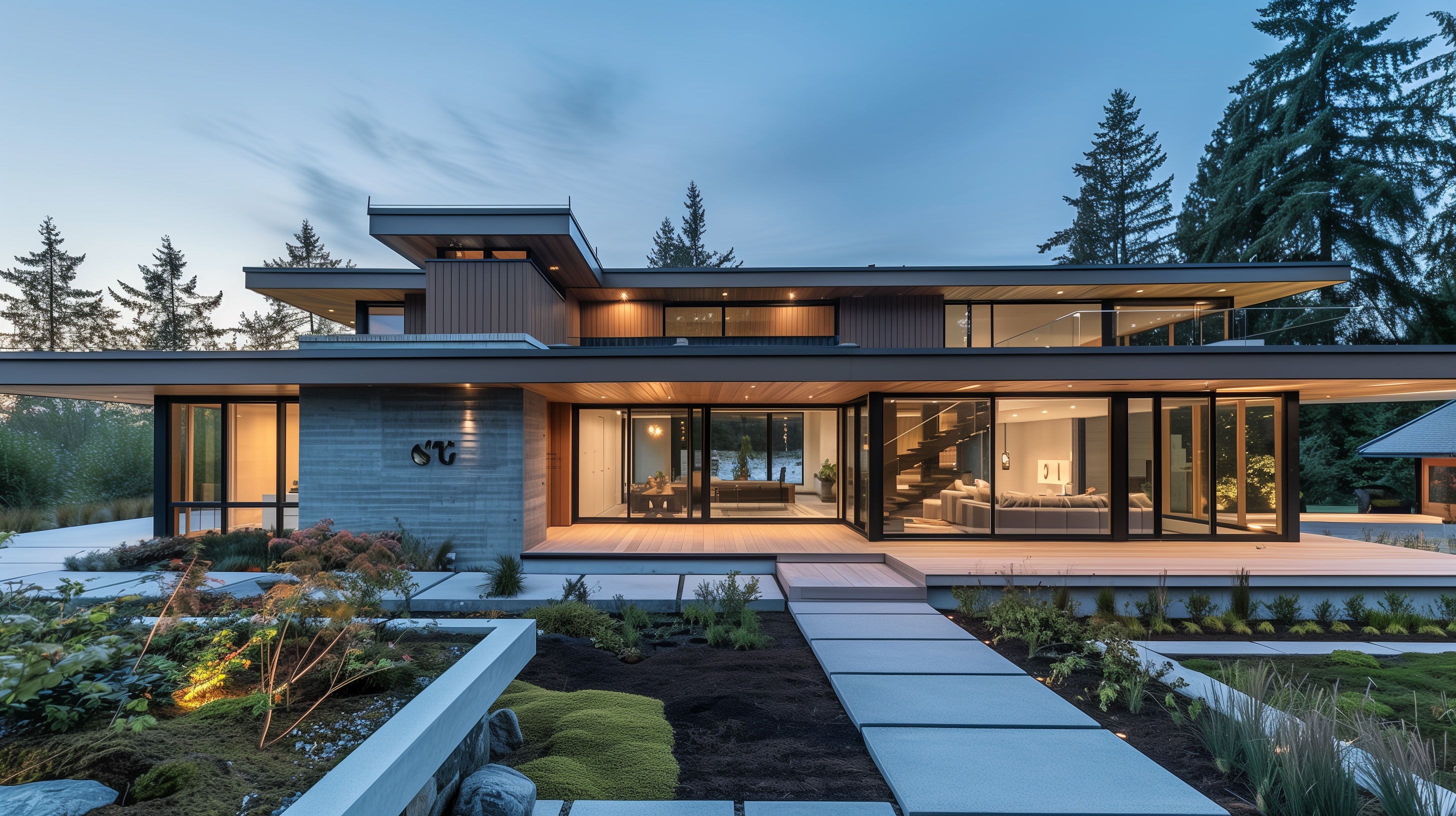
1. Designing Arrival: The Emotional First Impression
Arrival begins long before the front door.
It starts at the street.
The Approach
We consider:
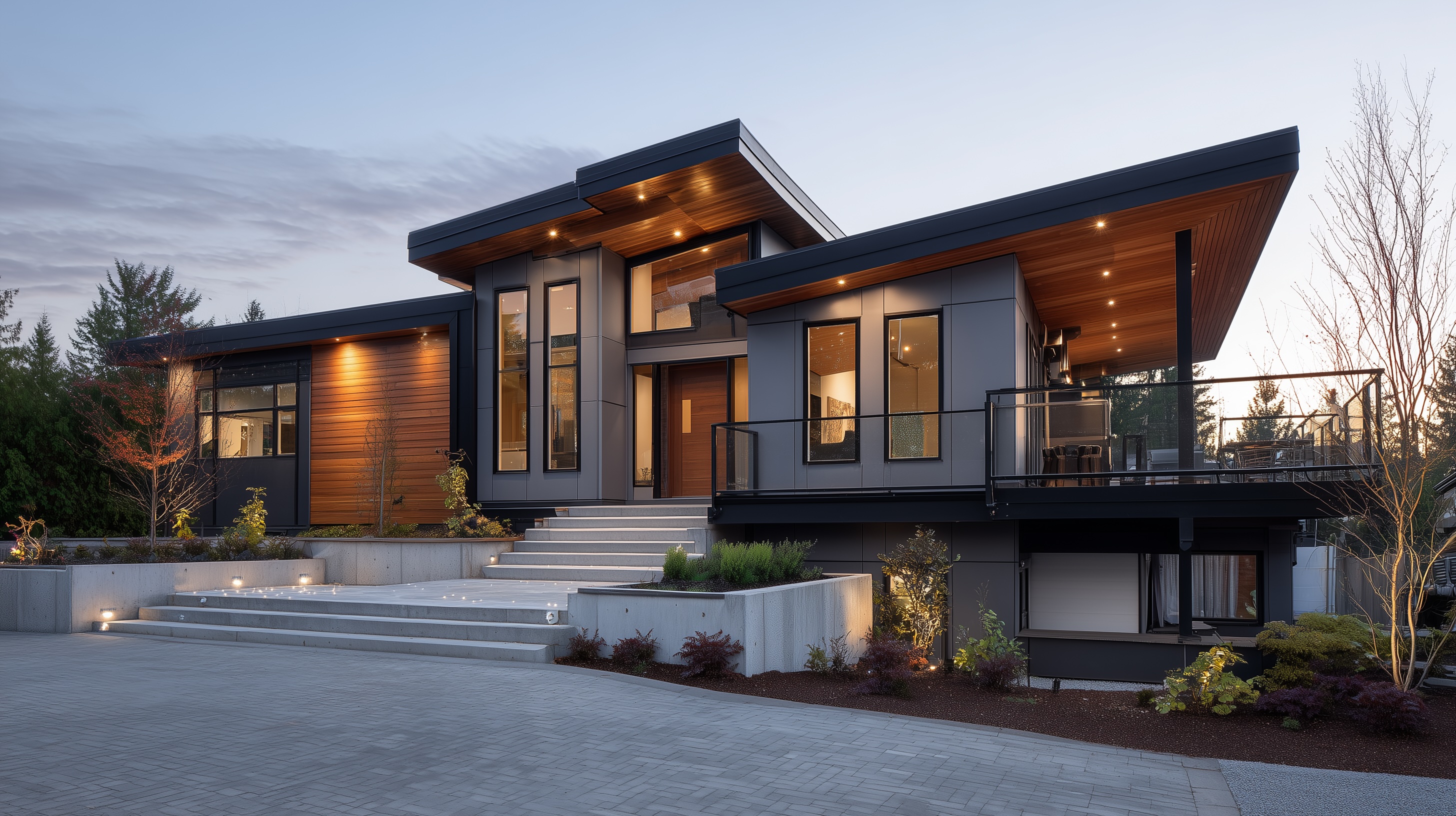
- Setback and driveway experience
- Landscaping layers and privacy
- Sightlines from curb to entry
- Exterior lighting at dusk
- Material transitions (concrete, stone, wood, steel)
Arrival should feel composed — not abrupt.
The Threshold
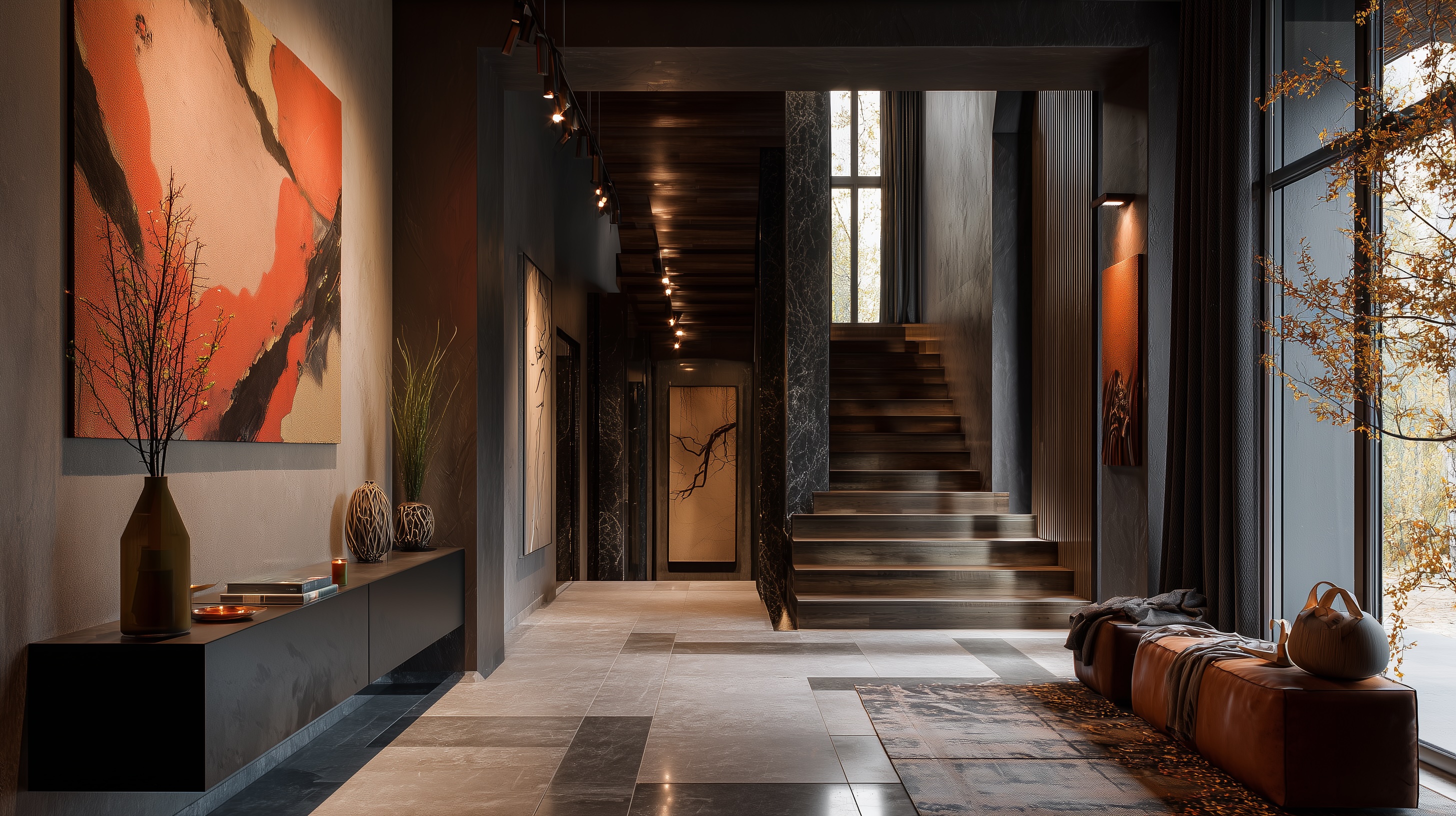
The front door is not just functional; it is a transition between public and private.
We design:
- Covered entries that create pause
- Ceiling height shifts that introduce scale
- Material changes that signal movement
- Framing elements that guide the eye inward
A strong arrival sequence slows you down. It signals that what’s inside has been considered.
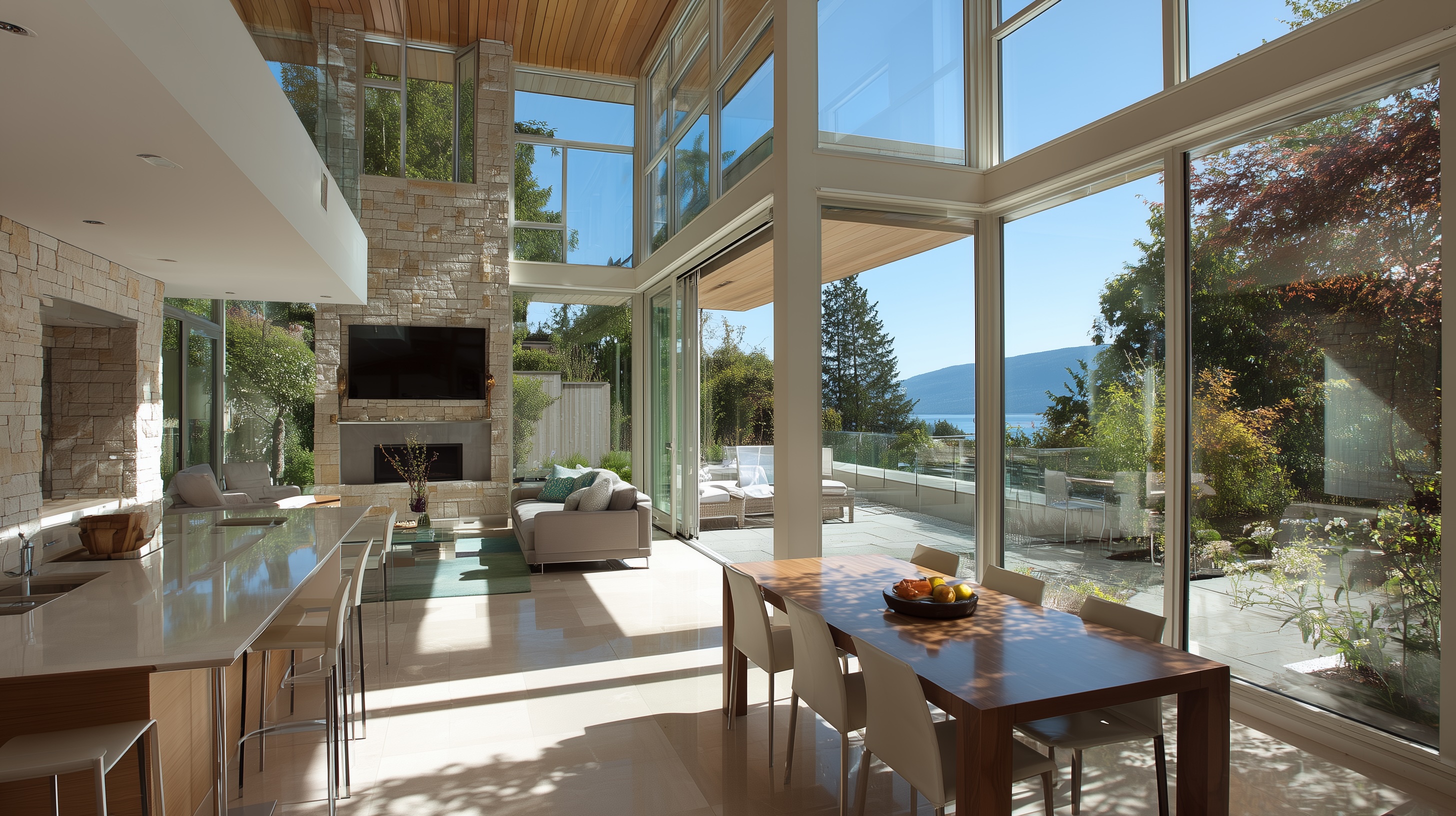
2. Designing with Light: Natural Illumination as Architecture
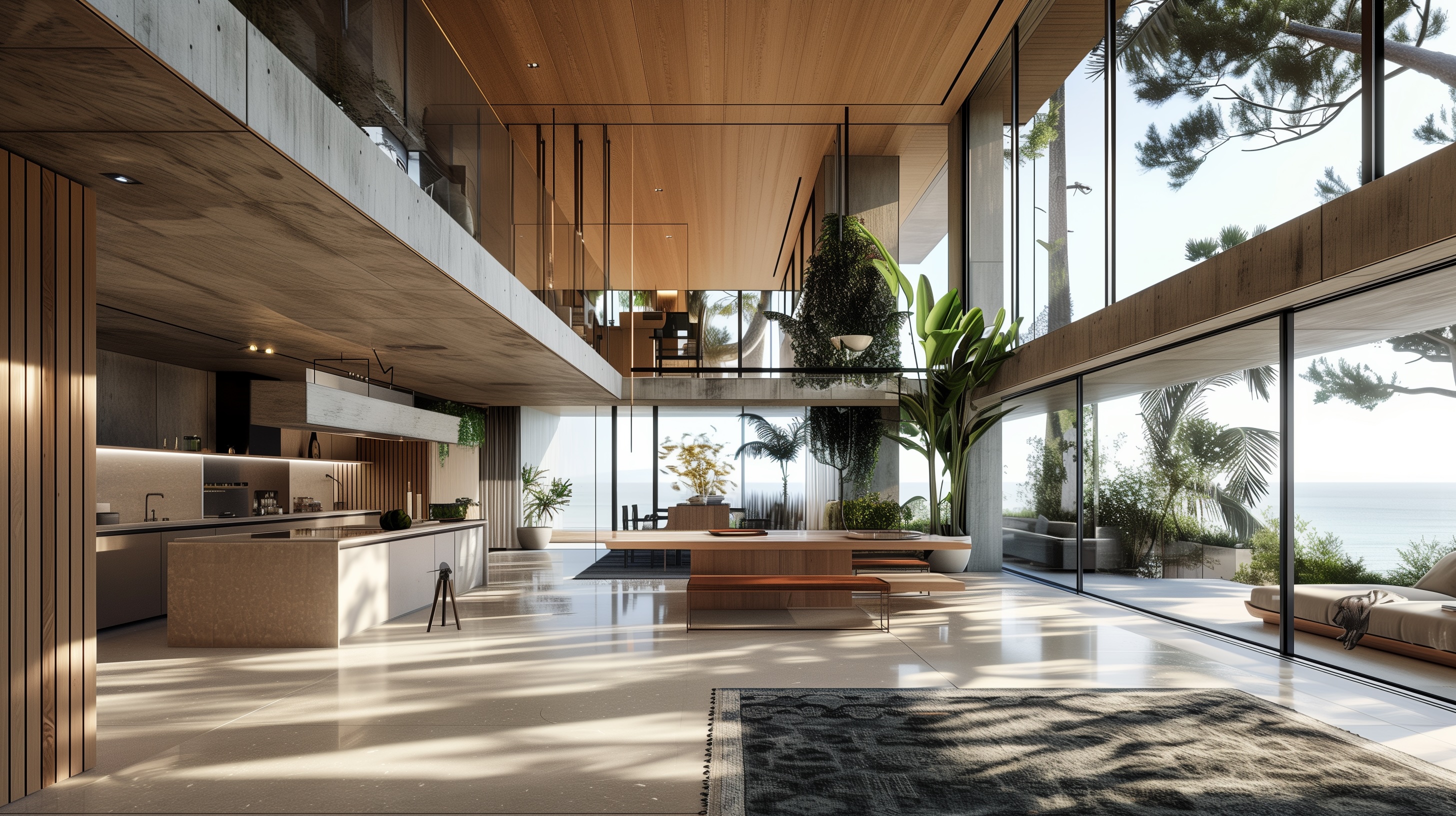
Light is not decoration. It is structure.
At Homes by Westgate, our architect studies light orientation early in design:
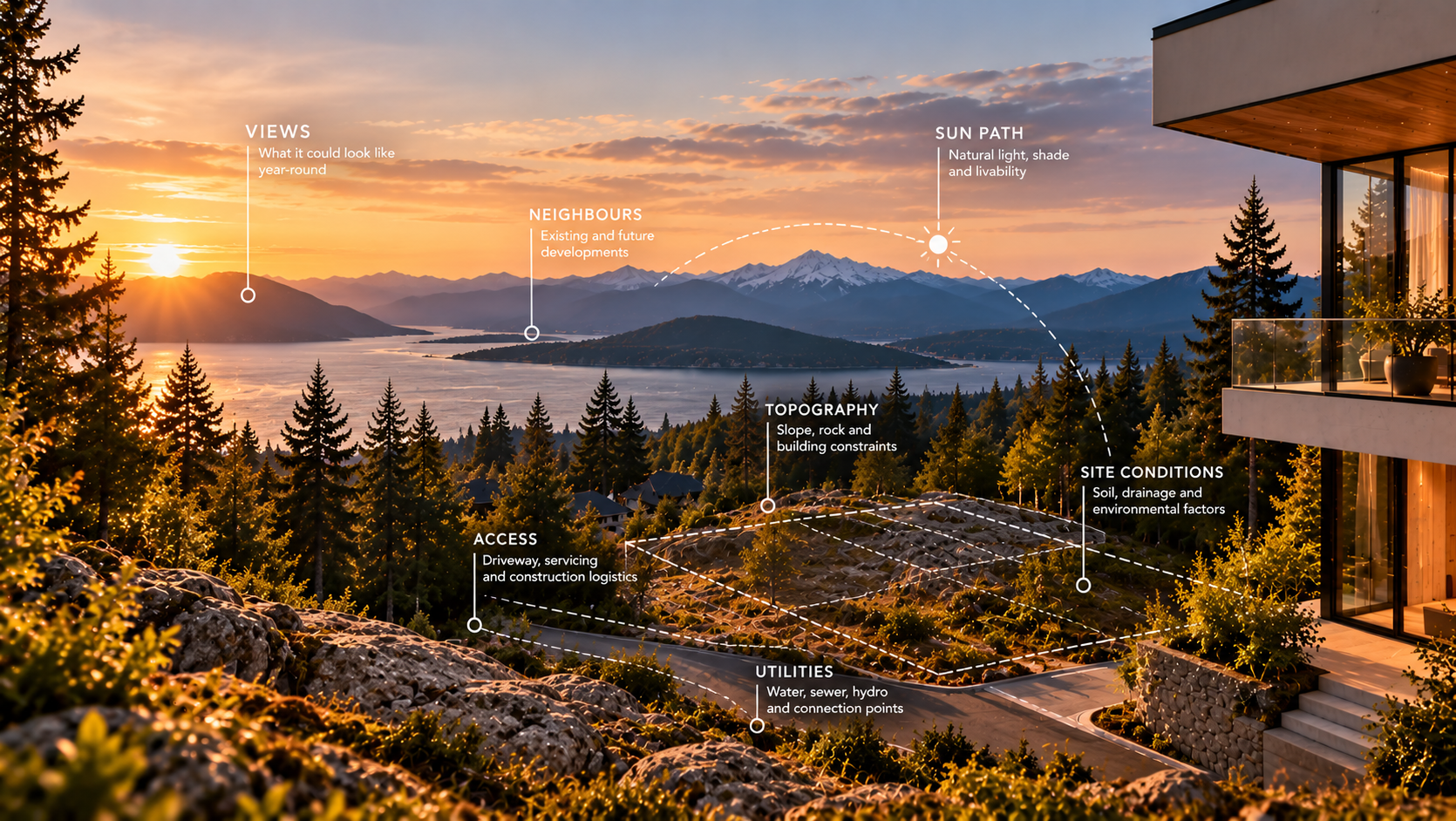
- Solar path and seasonal variation
- Window placement relative to views
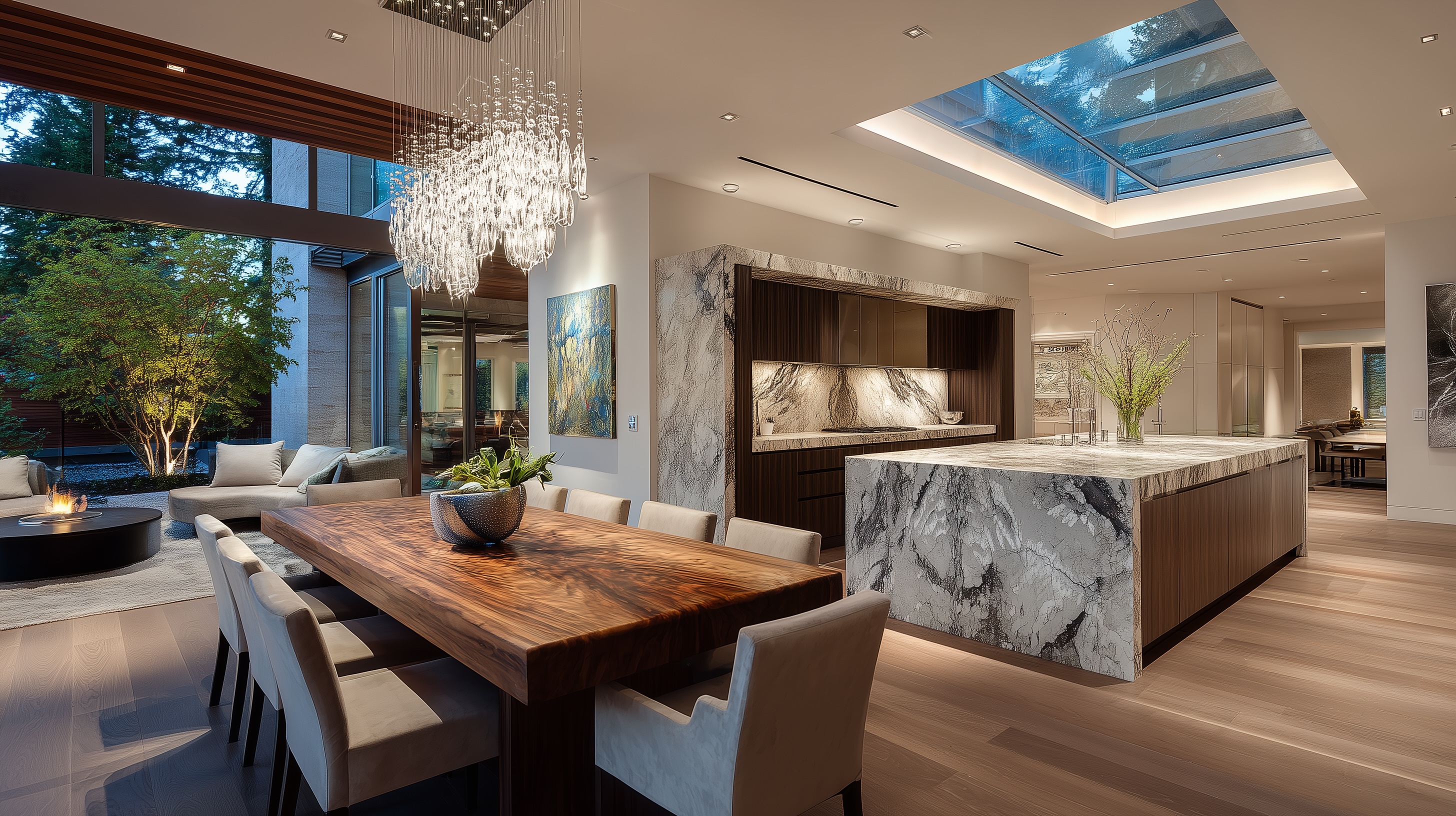
- Clerestory and skylight integration
- Overhang depth for summer shading
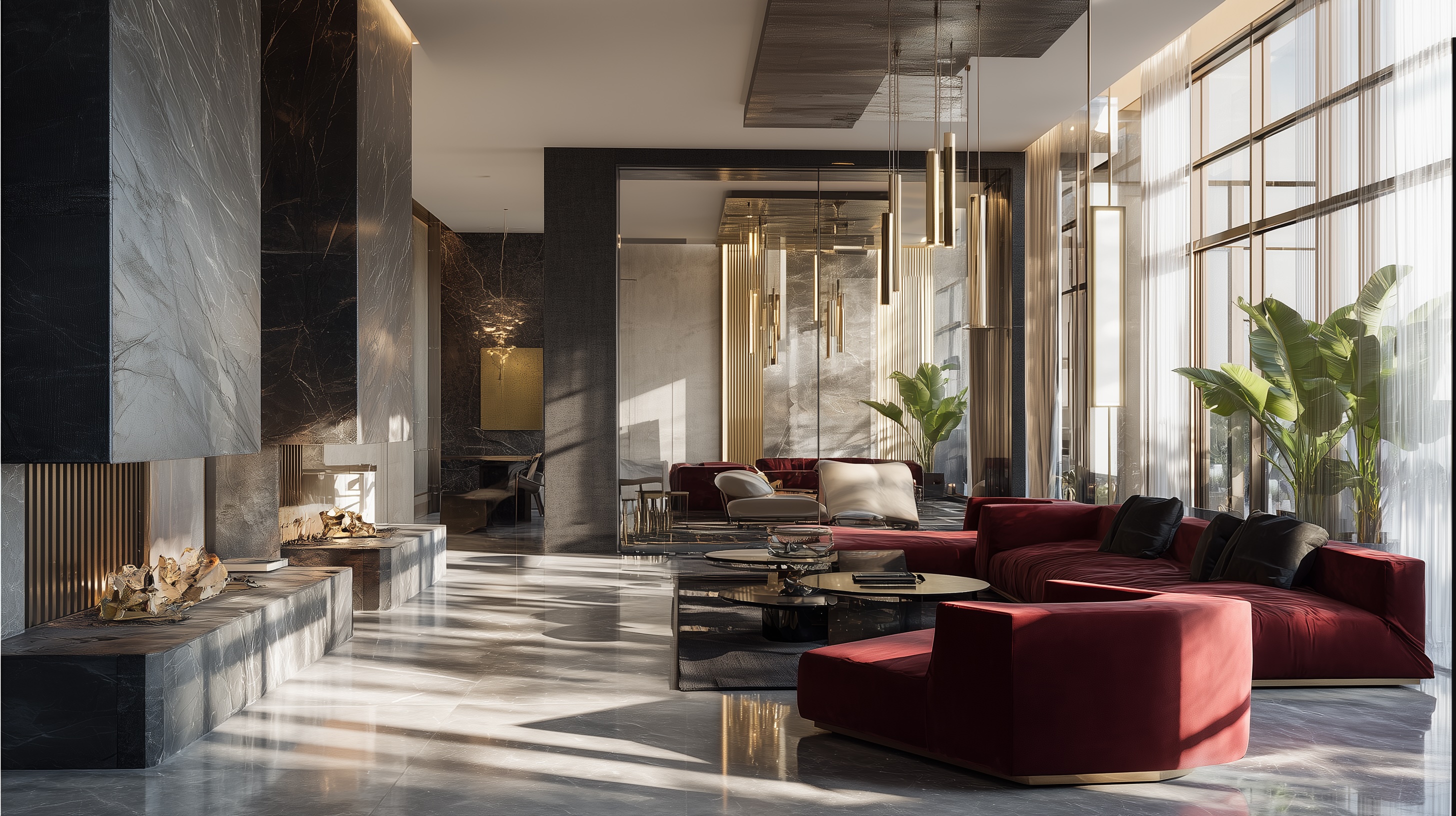
- Reflection from interior finishes
Orientation Matters
A west-facing wall without proper shading becomes glare and heat.
A north-facing wall can offer consistent, diffused light.
A well-placed skylight can transform a corridor into a moment.
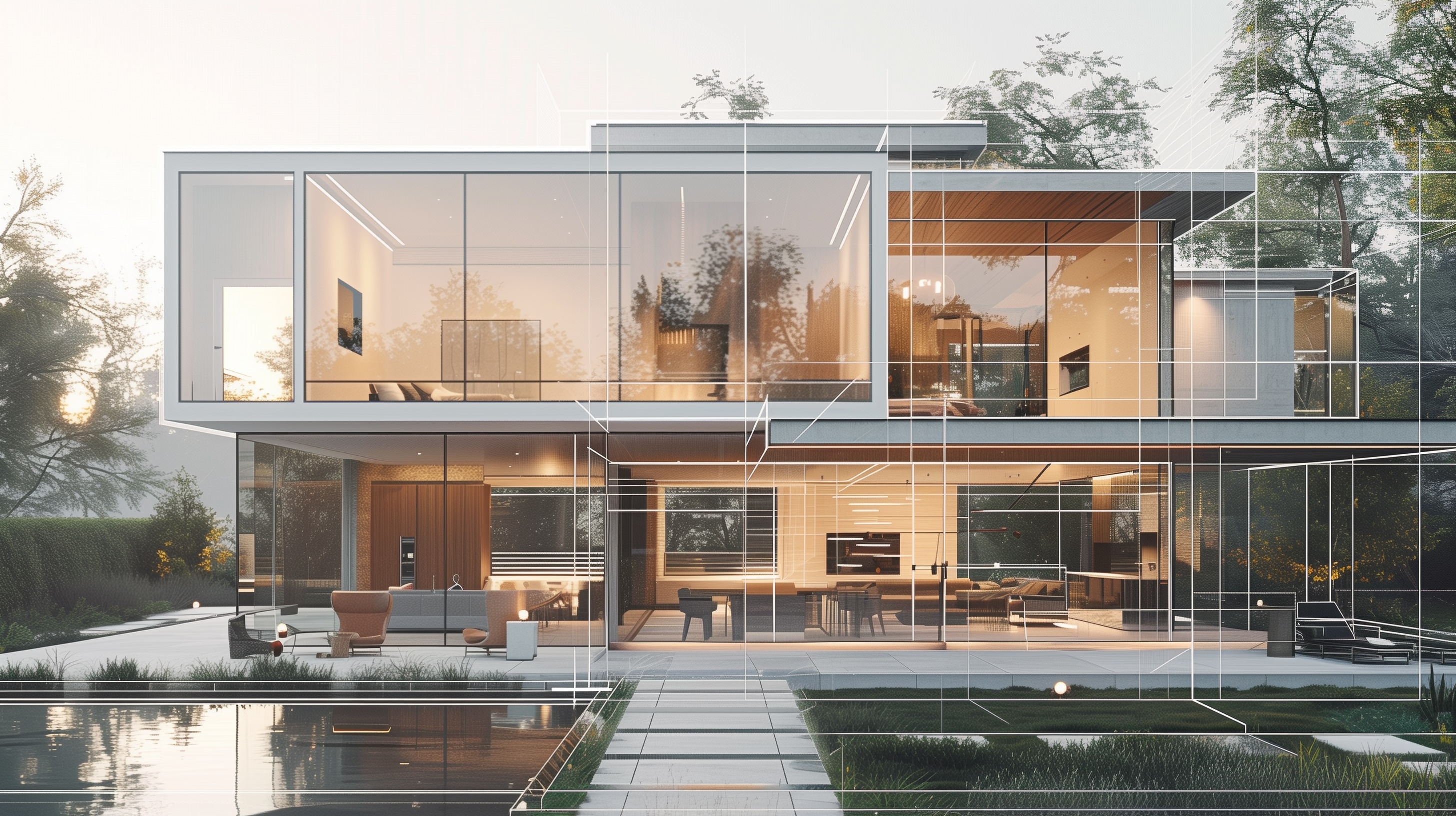
These decisions are made in drawings — not after framing.
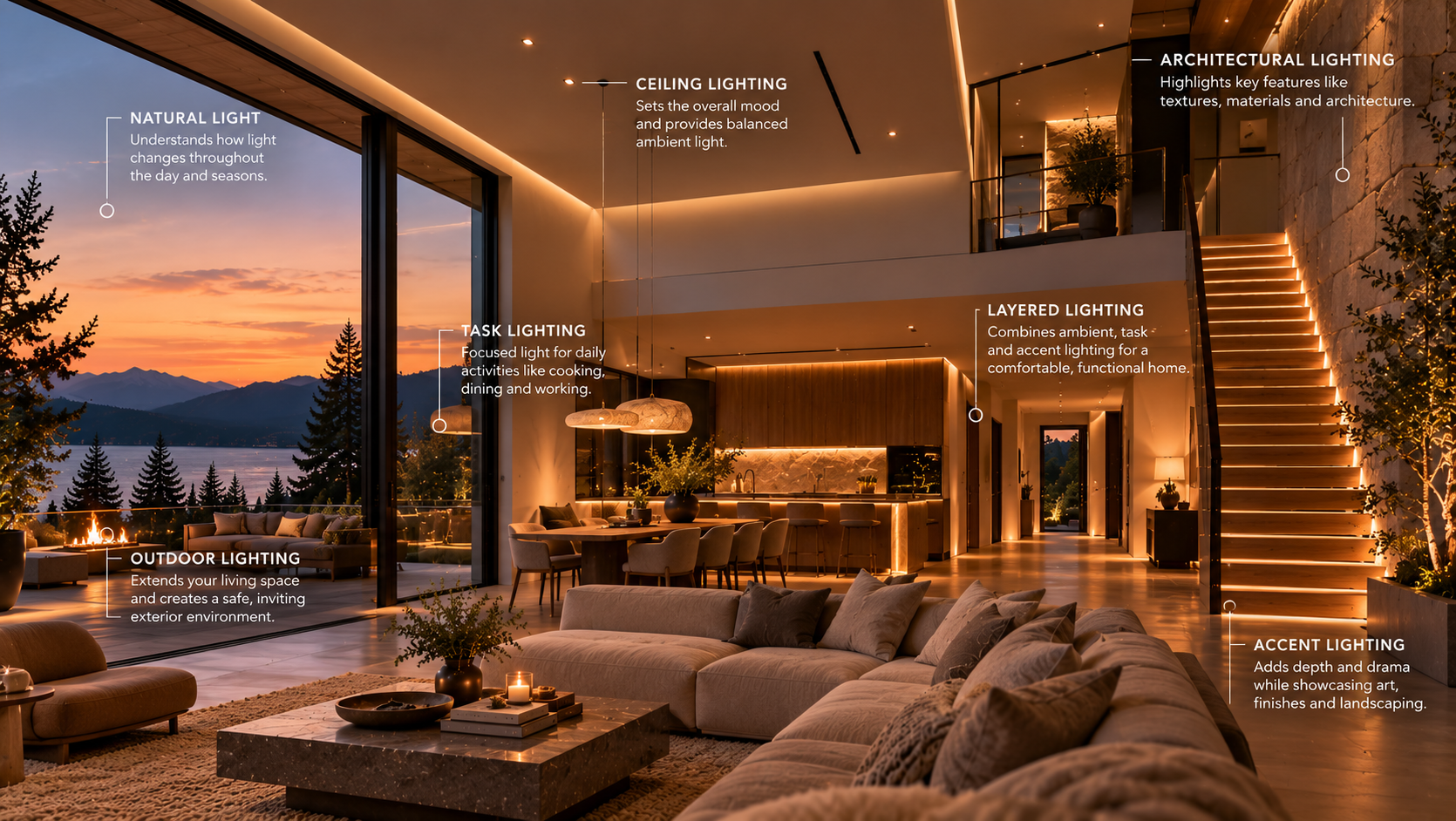
Layered Lighting Strategy
Natural light is paired with:
- Architectural recessed lighting
- Feature pendants
- Cove and indirect lighting
- Exterior-to-interior continuity
Light should change throughout the day. Homes should feel alive at 8am, 3pm, and 9pm.
3. Designing Flow: How the Home Moves
Flow is invisible — until it doesn’t work.
Poor circulation creates friction:
- Bottlenecks at entryways
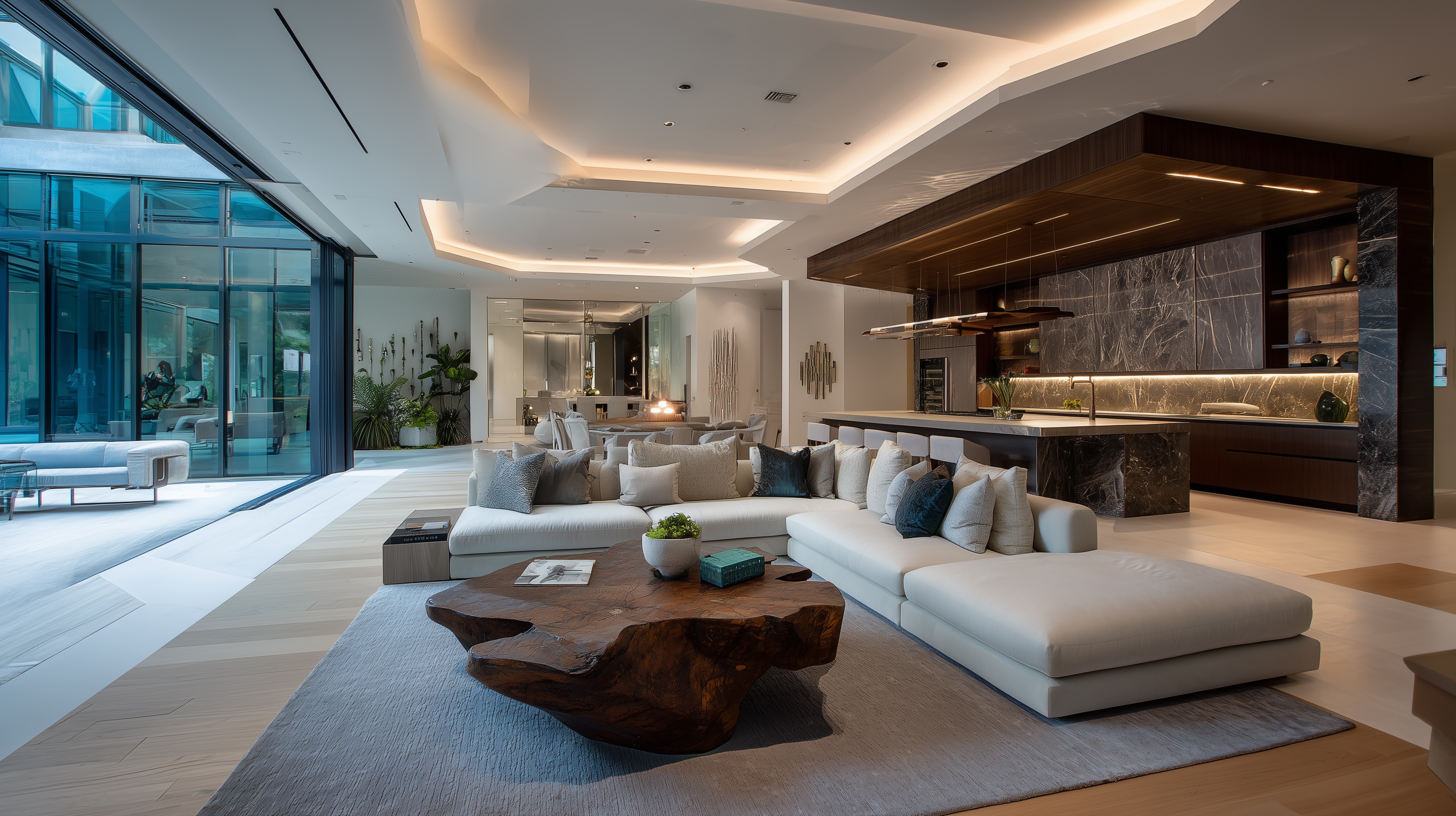
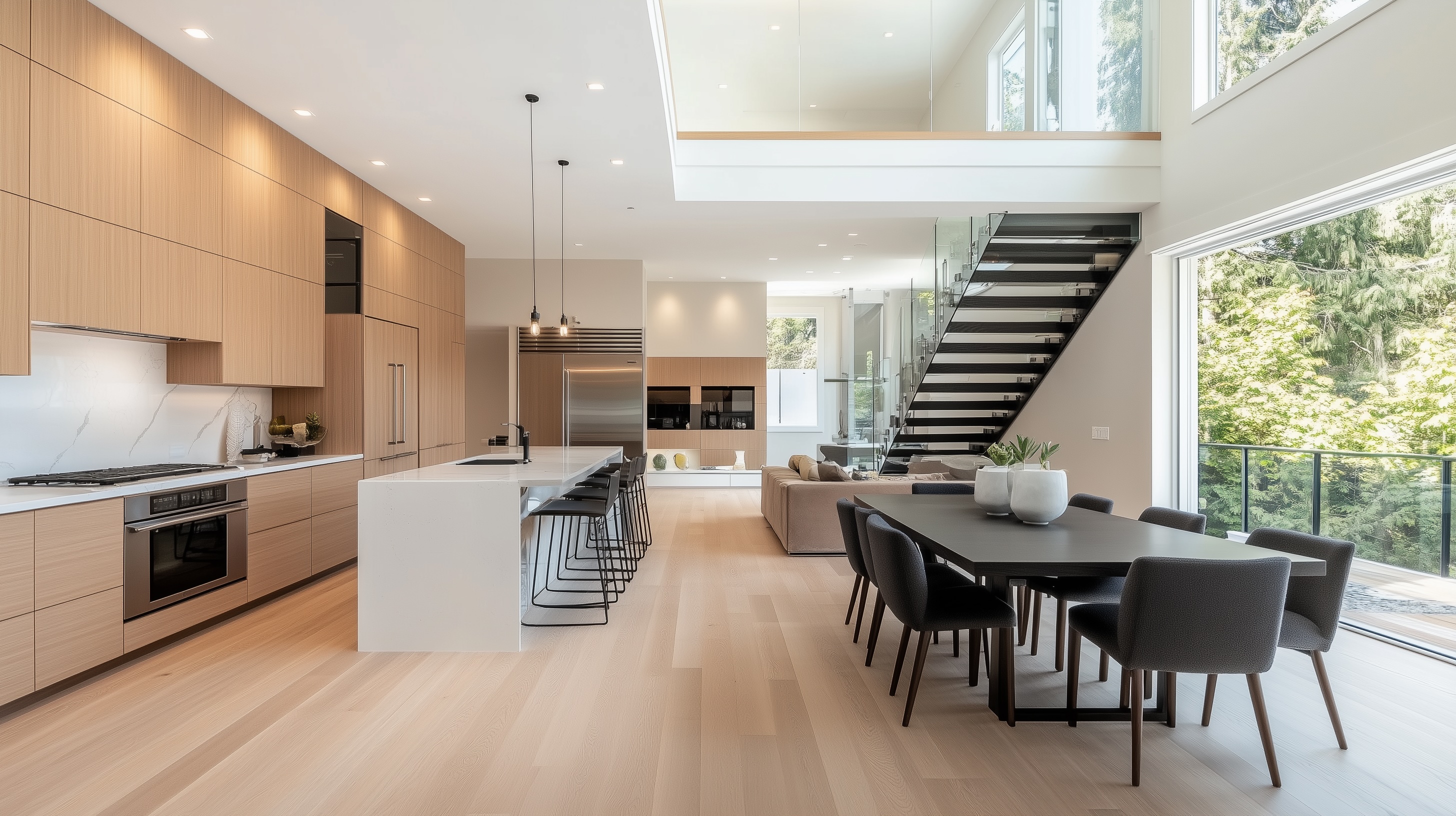
- Kitchens isolated from gathering areas
- Awkward transitions between indoors and outdoors
- Long, unused corridors
Flow is resolved through proportion, alignment, and spatial hierarchy.
Sightlines & Axial Planning
We intentionally design:
- Clear visual anchors from the entry
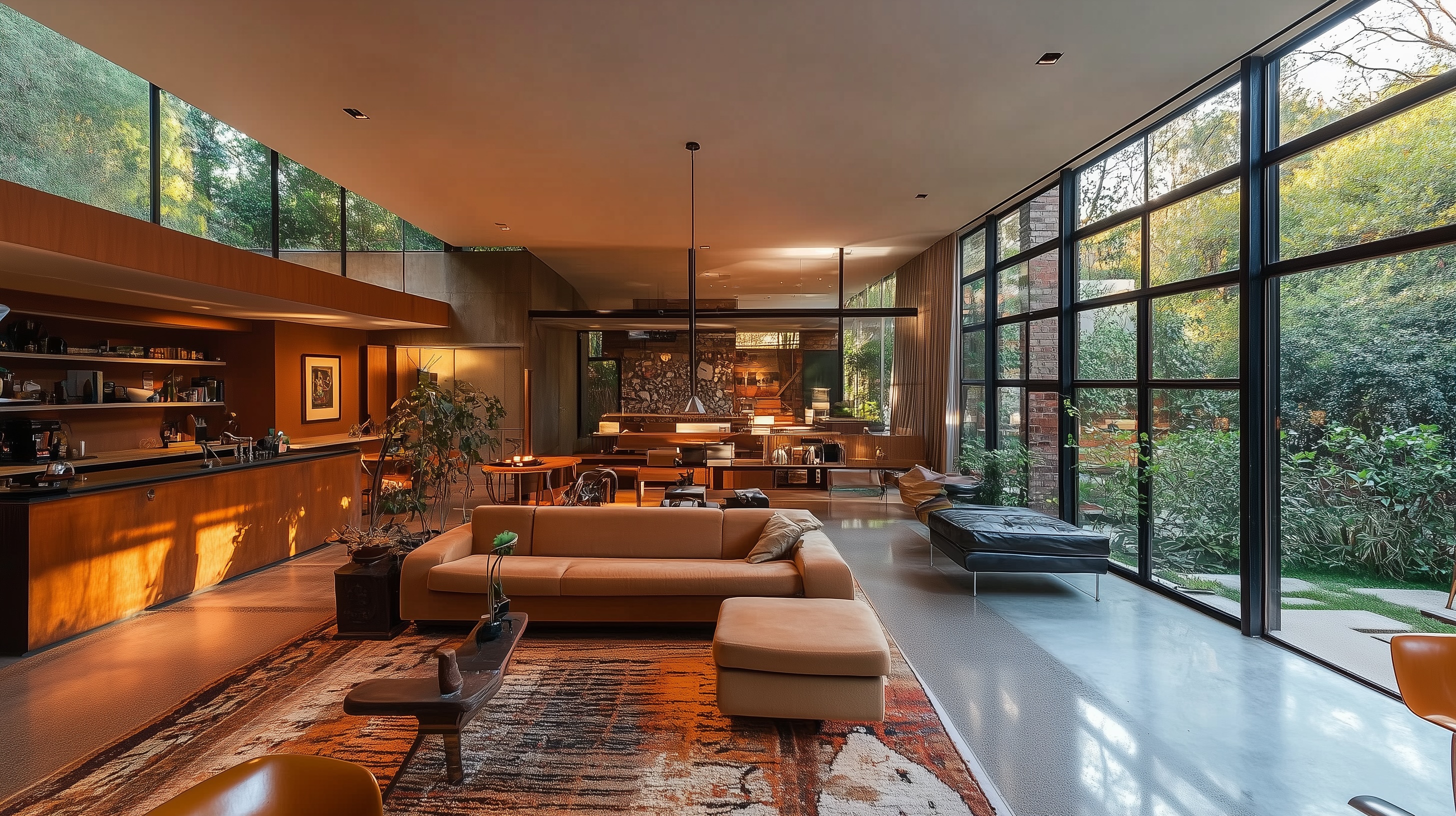
- Framed views to exterior landscapes
- Layered rooms rather than abrupt separations
- Gradual transitions between public and private spaces
Functional Adjacencies
Our project managers work alongside our architect to review flow from a practical lens:
- Mudroom proximity to garage
- Pantry location relative to kitchen
- Laundry adjacency to bedrooms
- Mechanical room accessibility
- Storage integration
Design must serve life — not fight it.
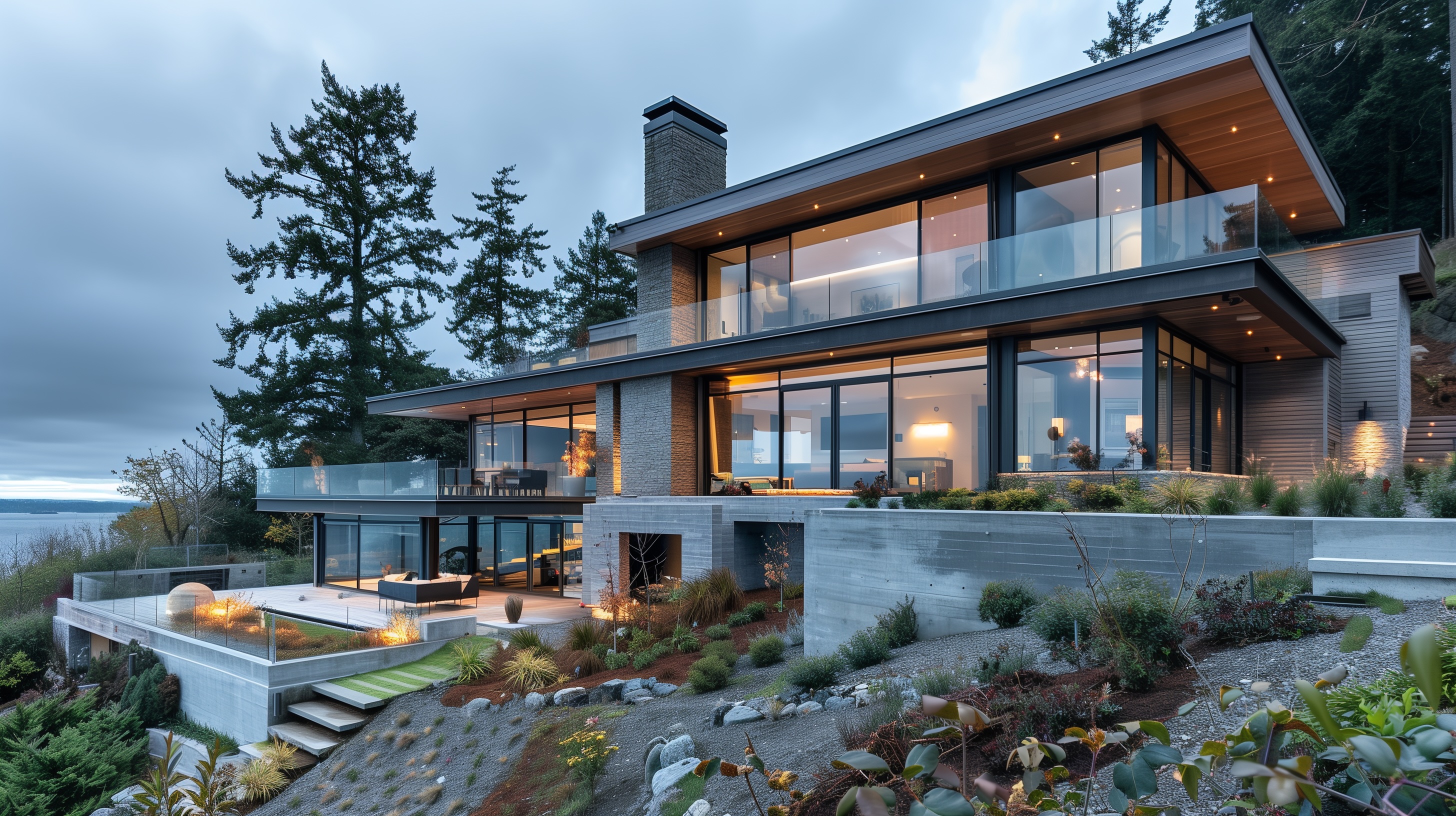
4. Vertical Flow & Volume
Flow is not only horizontal.
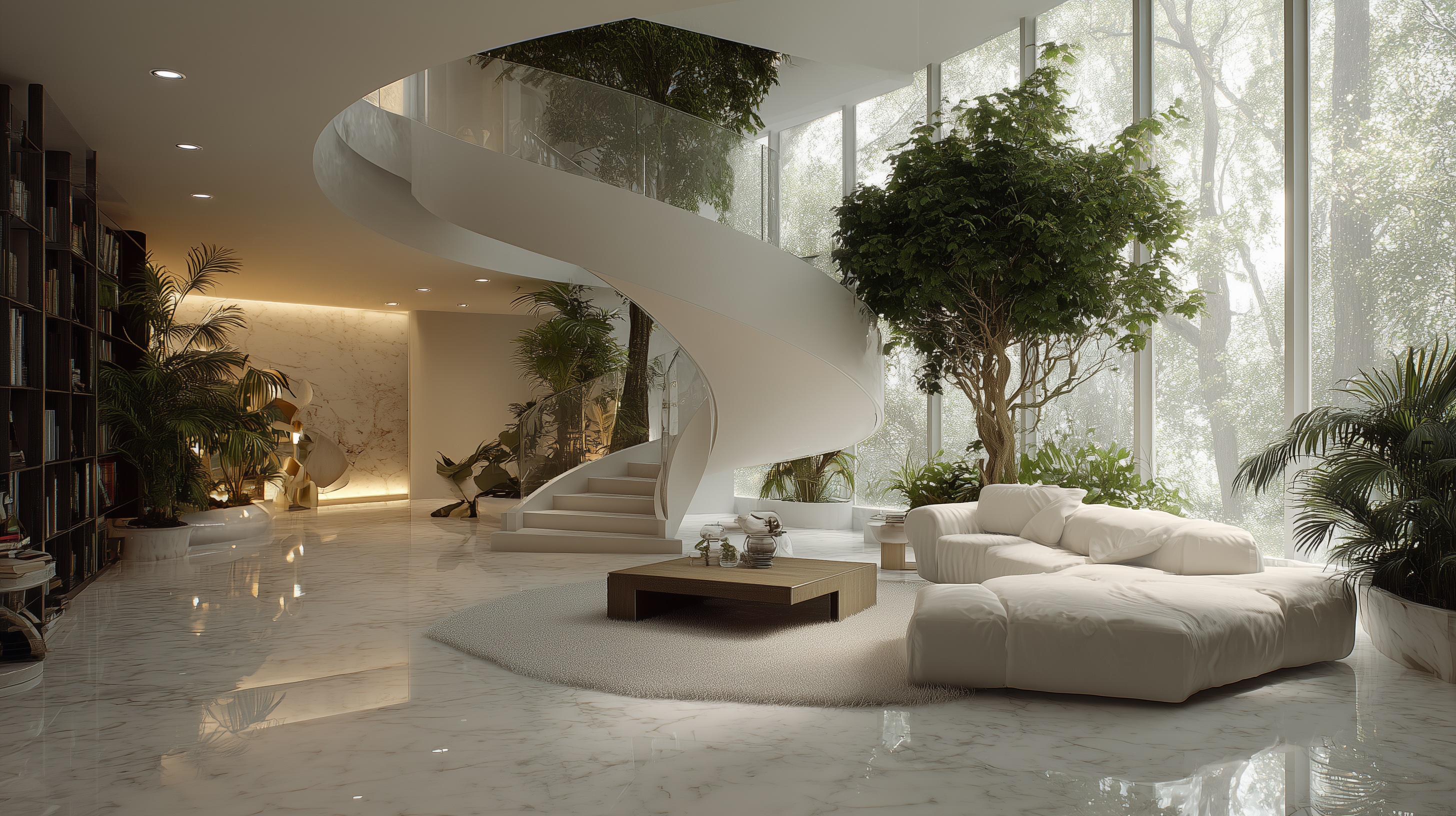
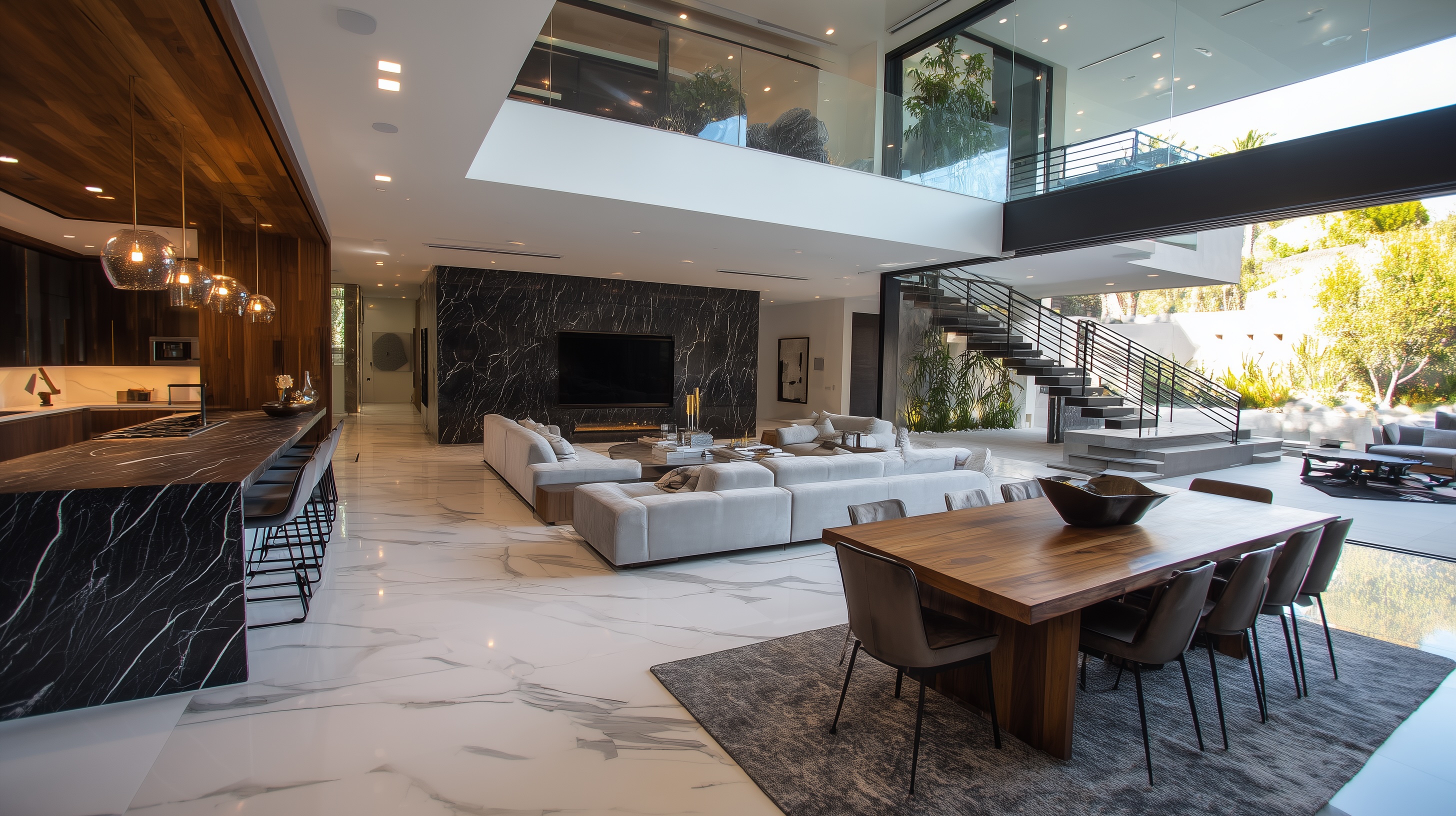
Staircases, double-height spaces, and ceiling shifts contribute to how the home feels.
We study:
- Stair placement as sculptural element
- Open risers vs. closed risers
- Guardrail transparency
- How light travels vertically
- Acoustic considerations
Vertical space can create drama — but it must remain grounded in comfort.
5. Indoor–Outdoor Continuity
In British Columbia, outdoor living is integral to residential design.
Designing flow includes:
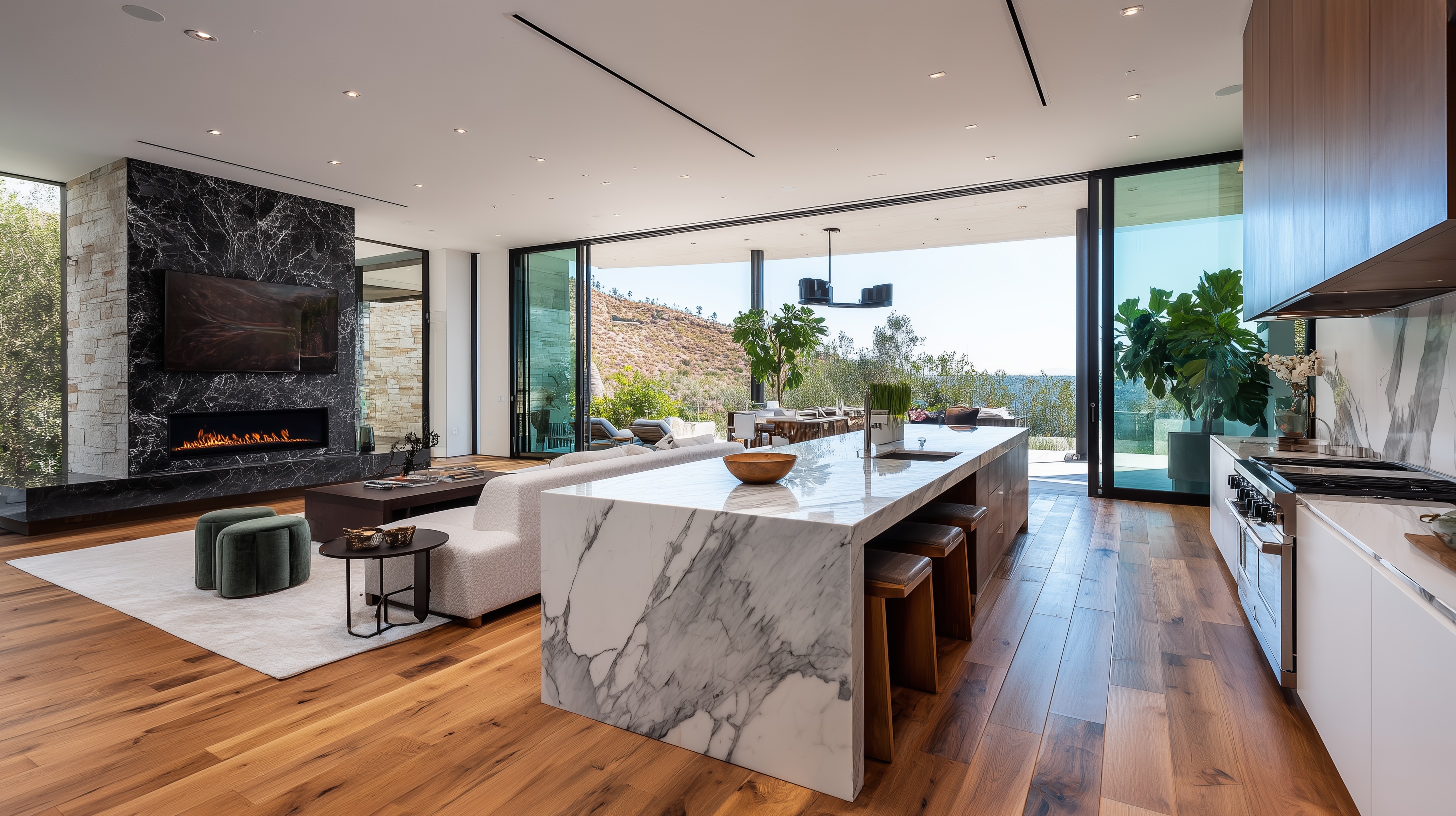
- Sliding or lift-and-slide glazing systems
- Flush thresholds
- Covered patios aligned with interior ceiling heights
- Integrated heating elements
- View preservation
When properly designed, the boundary between interior and exterior softens.
This is not an add-on. It is architectural continuity.
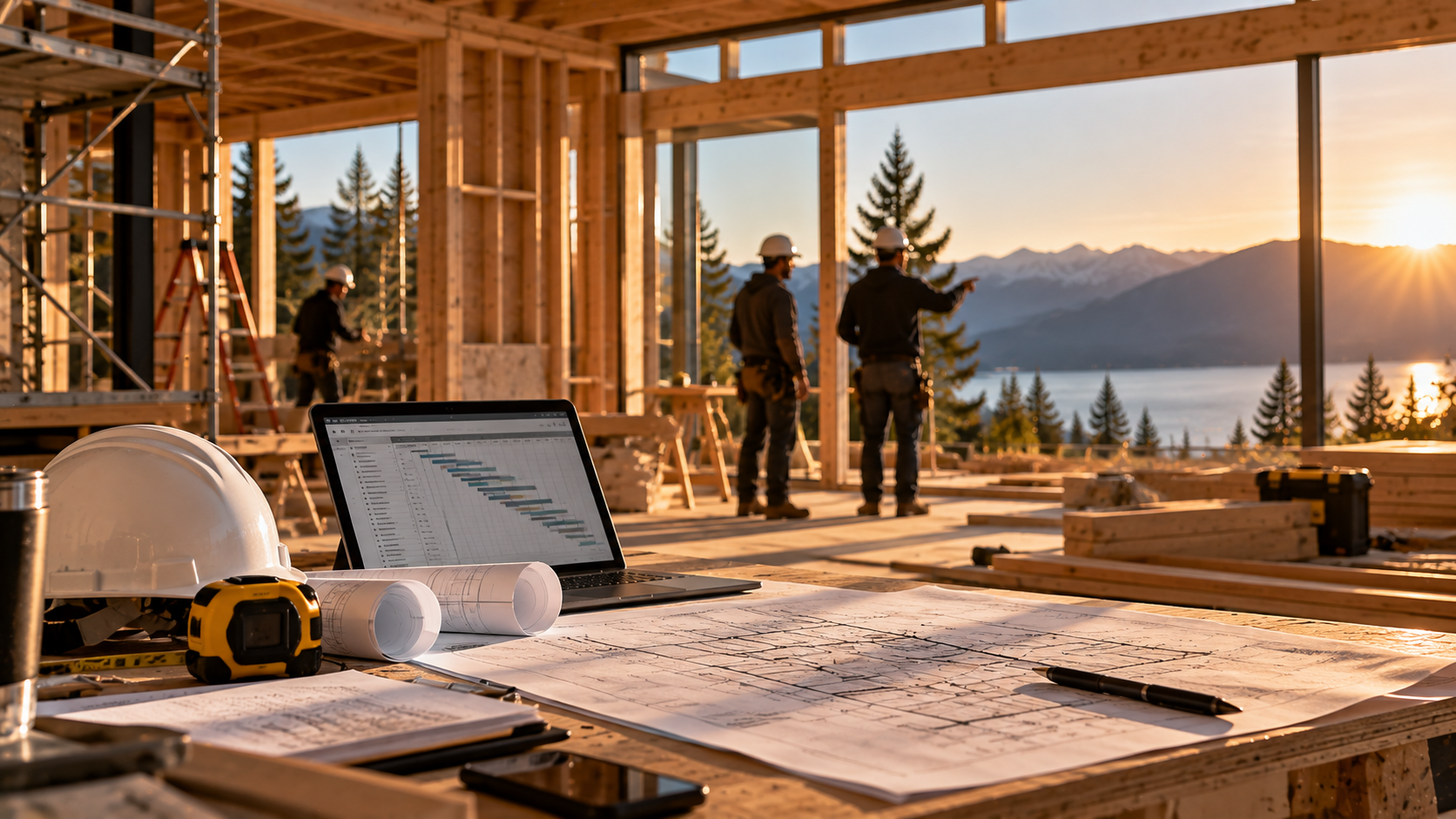
6. The Project Management Perspective
From a project management standpoint, arrival, light, and flow are not subjective concepts — they impact:
- Structural layout
- Mechanical distribution
- Budget allocation
- Window package selection
- Scheduling coordination
For example:
- Larger openings require structural consideration.
- Skylights require framing, waterproofing, and scheduling coordination.
- Custom pivot doors impact procurement timelines.
Design decisions must be executable.
At Homes by Westgate, design and build teams collaborate early so architectural intent aligns with constructability.
7. Why It Matters
Homes that are designed purely for square footage often feel impressive but disconnected.
Homes designed around arrival, light, and flow feel:
- Calm
- Cohesive
- Intuitive
- Elevated
These qualities cannot be added later through furniture or décor. They are embedded in the architecture.
The Homes by Westgate Philosophy
We believe the most successful homes are not the loudest — they are the most resolved.
Arrival creates anticipation.
Light creates atmosphere.
Flow creates ease.
When these elements are aligned during pre-construction and architectural development, the result is not just a house — it is an experience.
And experience is what endures.