Resources

Good Homes Start on Paper

Quick Search

Looking for a specific style of article? Enter it in the search bar below:
Thank you! Your submission has been received!
Oops! Something went wrong while submitting the form.
Home Building Essentials

Popular Articles

Good Homes Start on Paper

Good Homes Start on Paper
By Homes by Westgate — A Collaborative Perspective from Architecture & Project Management

Before concrete is poured.
Before trades mobilize.
Before materials are delivered.

A good home is built on paper first.

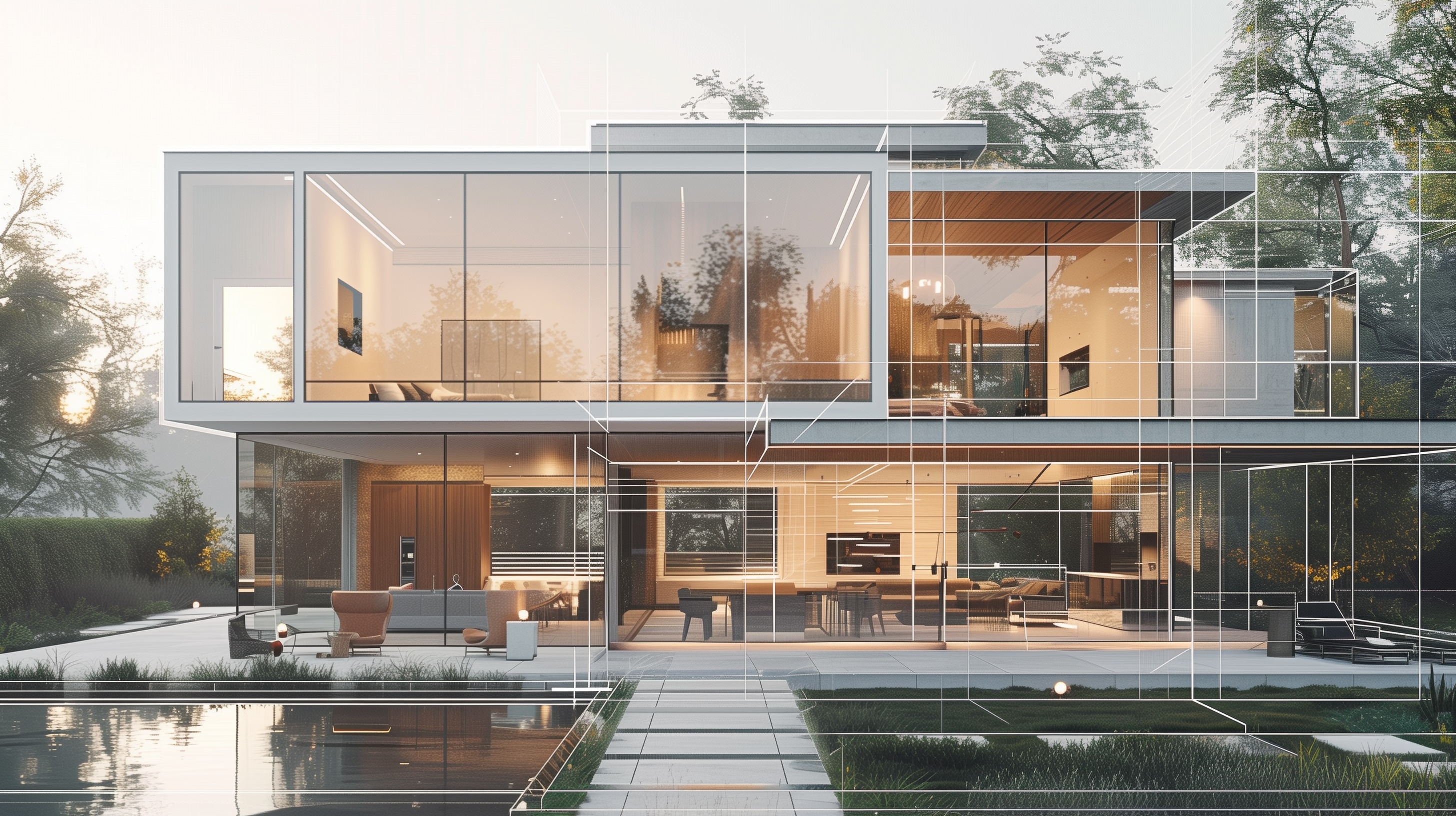
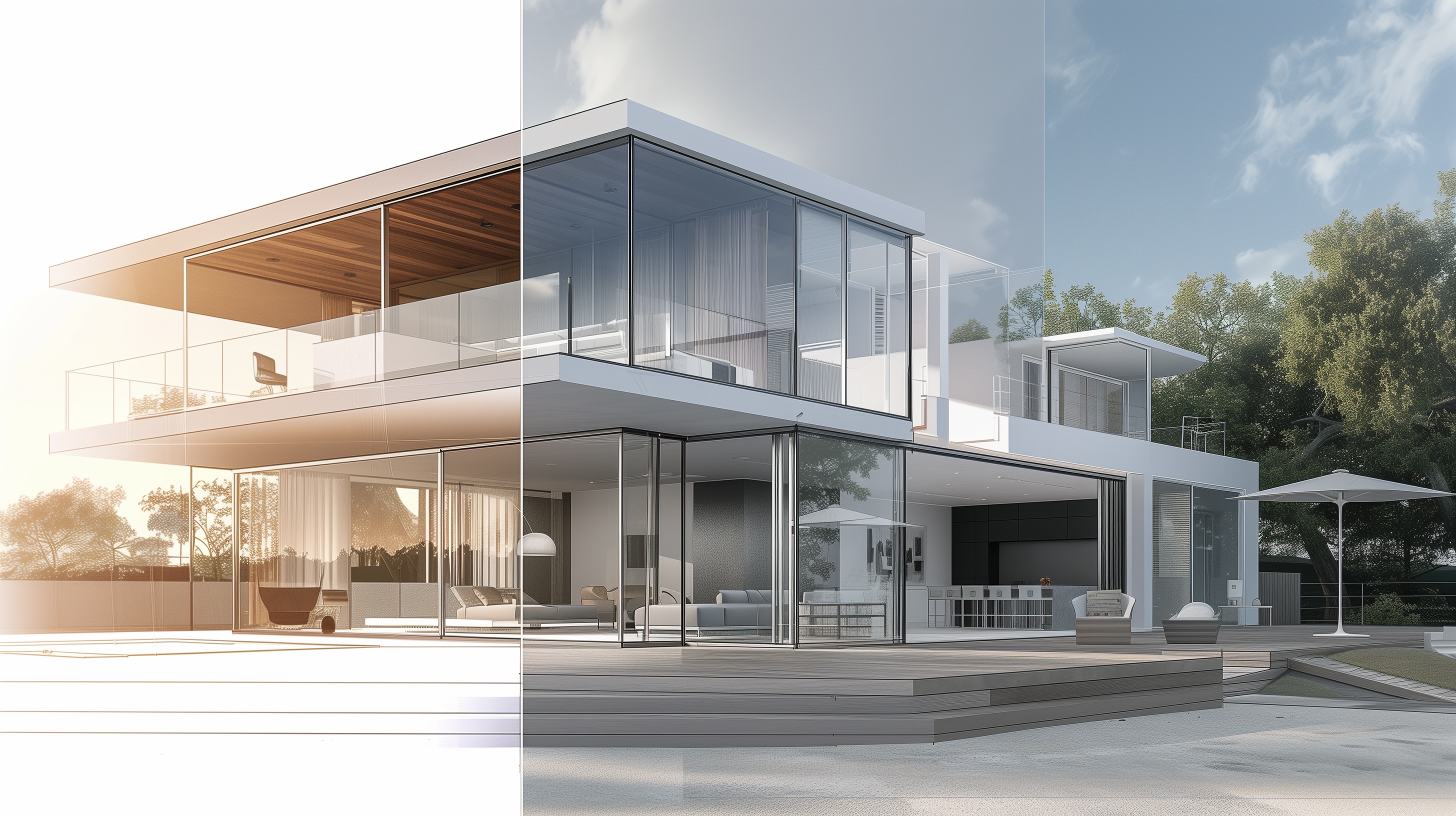
At Homes by Westgate, we believe construction excellence is a reflection of design clarity. The quality of the finished product is determined long before site work begins — in drawings, coordination meetings, markups, and disciplined pre-construction planning.

A beautiful home is not improvised in the field.
It is resolved in documents.

And our process is intentional: we reverse engineer every project before it is built.

We Reverse Engineer the Outcome

At Homes by Westgate, we do not design in isolation and “figure it out later.”

We begin with the end in mind.

We ask:

  • How should this home feel upon arrival?
  • Where should natural light fall at 9am?
  • How should circulation move during a gathering?
  • What structural system will support that openness?
  • What budget aligns with that level of detailing?
  • What permitting requirements shape the envelope?

Then we work backward.

This reverse-engineering process ensures that architectural intent, structural logic, budget realities, and construction sequencing are aligned before we ever break ground.

This is not theory.
It is disciplined process.

1. The Power of Detailed Drawings

Architectural drawings are not just visual representations — they are execution documents.

They define:

  • Spatial layout and proportions
  • Structural systems
  • Window and door placements
  • Ceiling heights and transitions
  • Exterior envelope assemblies
  • Material specifications

When drawings are vague, construction becomes reactive.
When drawings are detailed, construction becomes controlled.

The more resolved the paper, the smoother the build.

2. Coordination Before Construction

A home is a layered system.

Structural, mechanical, electrical, and architectural elements must align before framing begins — not after.

During pre-construction, our architect and project manager coordinate with:

  • Structural engineers
  • Mechanical consultants
  • Electrical designers
  • Energy advisors
  • Municipal reviewers

By reverse engineering the build, we ensure:

  • Ductwork does not conflict with beams
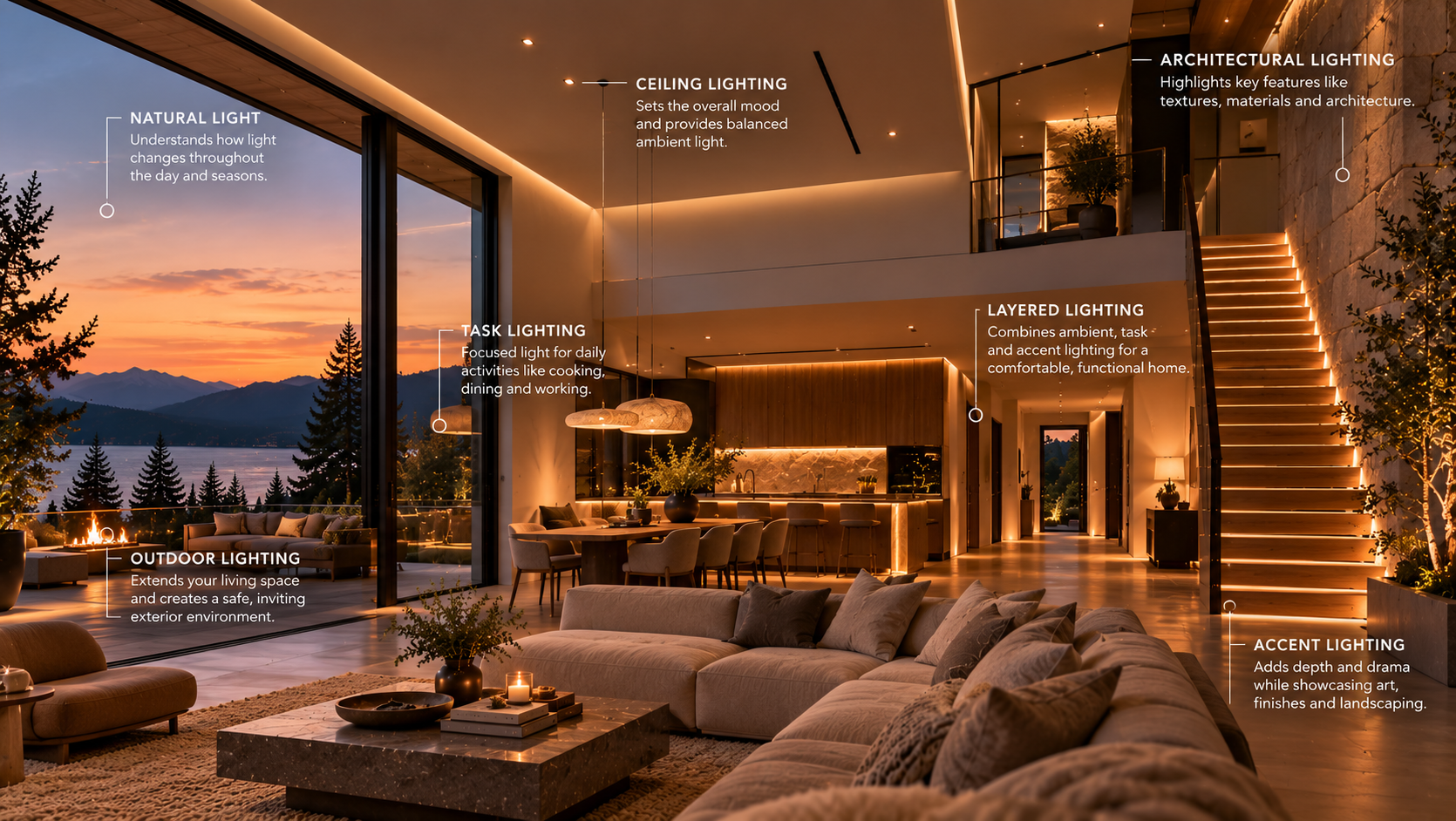
  • Lighting layouts align with ceiling detailing
  • Plumbing stacks are strategically placed
  • Energy compliance is embedded in the design

Problems solved on paper cost time.
Problems solved on site cost money.

3. Budget Is Integrated — Not Added Later

Reverse engineering also applies to financial planning.

Each architectural decision has cost implications:

  • Large spans require structural solutions
  • Custom glazing affects procurement timelines
  • Roof geometry impacts framing complexity
  • Finishes influence trade sequencing

We develop cost insight alongside design development, integrating:

  • Preliminary cost modeling
  • Trade partner input
  • Scope clarification
  • Allowance refinement

Design clarity creates financial clarity.

4. Flow, Light & Structure Are Engineered — Not Decorated

Elements like arrival, natural light, and flow — often perceived as aesthetic — are technical decisions.

  • Window placement requires header engineering.
  • Skylights demand framing and waterproofing strategy.
  • Open floor plans require load calculations.
  • Staircases demand dimensional precision.

When we reverse engineer, we evaluate how each experiential element will be physically supported.

Paper precedes performance.

5. Permitting & Regulatory Readiness

In British Columbia, residential construction must navigate:

  • Municipal zoning requirements
  • Setbacks and height restrictions
  • Energy step code compliance
  • Seismic considerations
  • Building code regulations

Permit-ready drawings must be accurate and complete.

Incomplete submissions create delay.
Complete documentation accelerates approval.

Reverse engineering ensures regulatory alignment is embedded early — not discovered mid-process.

6. The Project Management Lens

From a project management perspective, reverse engineering impacts:

  • Trade sequencing
  • Procurement timelines
  • Site logistics
  • Risk mitigation
  • Schedule integrity

We analyze drawings not only for design intent but for execution strategy.

When trades walk onto a site with fully coordinated documents, productivity increases and rework decreases.

Execution depends on preparation.

7. Risk Is Reduced Before It Exists

Through reverse engineering and pre-construction planning, we identify:

  • Design gaps
  • Budget exposure
  • Structural conflicts
  • Scope ambiguity
  • Long-lead procurement risks

Risk management begins in drawings — not during construction.

Good homes feel effortless.
Effortless homes are engineered through effort.

The Homes by Westgate Process

We do not separate design thinking from build thinking.

Our architect designs with constructability in mind.
Our project managers review drawings with foresight.
Our marketing communicates the vision clearly to clients — but internally, our discipline is structural.

We reverse engineer every project.

We solve it on paper.

Because when the paper is right, the build follows.

And that is how good homes begin.

Related Articles
Browse All Articles
Resources
Good Homes Start on Paper
Tips
Designing Arrival, Light & Flow
Guides
What Pre-Construction Actually Includes
Resources
Architect and Builder Collaboration: Why the Best Custom Homes Start in Pre-Construction
Tips
Custom Home Maintenance Planning: Designing for a Low-Maintenance Lifestyle
Resources
Building on Challenging Terrain: How We Optimize Sloped and Waterfront Lots
Resources
How BIM Shapes Sustainable Luxury Homes | Homes by Westgate
Resources
From Vision to Virtual Reality: Experiencing Your Home Before It’s Built
Resources
Beyond Blueprints: Why BIM Means Fewer Surprises and Better Homes
Resources
The Hidden Architecture: How BIM Brings Custom Homes to Life
Tips
Why the Best Homes Feel Like a Pause
Tips
Why Custom Homes Shouldn’t Be Designed Like a Pinterest Board
Tips
When the Lot Is the Luxury: Why Savvy Homeowners Start with Land
Tips
What Happens Before the Floor Plans: Early Design Discovery
Guides
The 90% You Don’t See: Behind-the-Walls Details That Define a High-Performance Home
Tips
How to Know If You’re Ready to Build Custom
Tips
Form Follows Feeling: How to Design a Home That Resonates with You
Tips
The Architecture of Arrival: Designing Entryways with Emotion, Not Just Function
Tips
Why Good Design Isn’t Always Symmetrical
Tips
The Beauty of Restraint: Why Great Architecture Doesn’t Try to Do Too Much
Tips
Luxury Home Gyms: The New Status Symbol
Guides
Builder vs. Designer: Understanding the Different Roles in Your Custom Home Build
Tips
Designing from the Inside Out: Why Floor Plans Should Follow Feelings
Tips
What Makes a Home Feel Custom (Beyond Square Footage or Finishes)
Tips
What Happens Before the Floor Plans: Early Design Discovery
Tips
How to Know If You're Ready to Build a Custom Home
Tips
What We Wish Clients Asked Sooner
Tips
What Makes a Home Feel Custom (Beyond Square Footage or Finishes)
Tips
How to Think Like an Architect (When You’re Not One)
Tips
The Return of the Arch: Why This Timeless Form Is Defining the New Modern Home
Tips
Designing for the Long Term: How to Build a Sustainable, Low-Maintenance Custom Home
Tips
Decision Fatigue Is Real: How to Avoid Burnout During Your Custom Build
Tips
How to Write a Design Brief: Giving Your Architect the Vision Without the Guesswork
Tips
Phase Building: How to Plan for Future Additions Without Compromising Now
Tips
The New Guest Experience: Designing Thoughtful Spaces for Visiting Friends and Family
Tips
Construction Mythbusters: What HGTV Won’t Tell You About Custom Building
Tips
From Render to Reality: How 3D Visualization Brings Your Home to Life
Tips
Designing a Lock-and-Leave Home: Peace of Mind When You Travel
Tips
What Makes a House Feel Like a Home? Design Details That Create Emotional Connection
Tips
Luxury in the Outdoors: Designing Patios, Terraces, and Year-Round Outdoor Living
Tips
The Psychology of Texture: How Materials Shape Mood in Your Home
Tips
Moody or Minimal? How to Choose the Right Interior Style for Your Custom Build
Tips
Building with Nature in Mind: Designing Around Trees, Topography, and Sunlight
Guides
What Actually Happens at a Site Walkthrough?
Tips
Designing for Peace of Mind: Safety, Security, and Smart Systems in Custom Homes
Tips
Built-In Beauty: 6 Custom Features That Elevate Every Space
Tips
Our Architecture Team Answers: The 5 Most Common Design Regrets — and How to Avoid Them
Tips
Designing for Legacy: Custom Homes That Stay in the Family
Tips
Remote Control: How to Build Your Dream Home in BC from Anywhere in the World
Tips
The Luxury of Less: Why Smaller Custom Homes Are the New Smart Investment
Guides
From Dream to Dirt: What Happens Between Signing and Site Prep
Tips
Spring Home Refresh: Functional Tips, Feng Shui Ideas, and Decorative Trends for 2025
Guides
2025 Home Design Trends That Will Redefine Your Space
Tips
Designing for the Senses: Homes That Look, Feel, and Sound Amazing
Tips
The Future of Construction: AI, Robotics, and the Smart Home Revolution
Tips
The Psychology of Home Design: How Spaces Shape Our Lives
Guides
The Art of Hardwood: Elevating Luxury Homes with Timeless Flooring
Tips
The Smart Home Evolution: Integrating Automation in Custom-Built Homes
Tips
Building in Whistler: Creating the Perfect Mountain Luxury Retreat
Tips
Fraser Valley's Finest: Designing Estates That Blend Urban Luxury with Rural Space
Tips
Design Trends 2025: What's Shaping Vancouver's Most Prestigious Custom Homes
Tips
The Art of Pool Integration: Creating Seamless Indoor-Outdoor Living Spaces
Guides
Behind the Blueprints: How a Custom Home Takes Shape in Vancouver's Exclusive Neighborhoods
Tips
The Hidden Value of Pre-Construction Planning: Why It Makes or Breaks Your Custom Home
Resources
Vancouver's Zoning Laws: What Custom Home Builders Need to Know in 2025
Tips
Building for BC's Climate: Design Elements That Weather Our Seasons
Tips
The Quiet Luxury Movement: Why Less is More in High-End Living
Tips
Rituals and Spaces: Aligning Your Custom Home with Daily Habits
Tips
Why Electrical Rough-In Comes First: Ensuring a Smooth Construction Process
Tips
Designing Your Dream Home: A Guide to Selecting the Perfect Floor Plan
Tips
Smart Strategies to Avoid Change Orders When Building Your Custom Home
Tips
Red Flags to Watch Out for When Choosing a Custom Home Builder
Guides
Your Essential Guide to Builder’s Warranties with Homes by Westgate
Tips
Interior Design Trends for 2025: What’s In This Year?
Tips
Deck the Halls: Luxury Holiday Decorating Tips for Custom Homes
Tips
Outdoor Holiday Lighting: Highlighting Architectural Features
Tips
Entertaining at Home: Custom Spaces Built for Holiday Gatherings
Resources
Digital Twins: How 3D Modeling Can Bring Your Vision to Life
Tips
Creating a Legacy: Designing Homes to Be Passed Down Generationally
Resources
The Steps of Working with an Architect – Embracing Remote Architecture Services
Tips
Cultural Fusion in Architecture: How to Weave Global Influences Into Your Home Design
Tips
A Home for Art Lovers: Designing Spaces to Showcase Your Art Collection
Resources
Laneway Houses: Smart Living Solutions with Homes by Westgate
Tips
Timeless vs. Trendy: Balancing Classic and Contemporary in Custom Homes
Resources
Architectural Storytelling: How Design Elements Create a Narrative in Your Home
Tips
The Art of Soundscaping: Designing Homes with Acoustics in Mind
Tips
Open-Concept Living – Designs That Foster Connection
Tips
Biophilic Design: Bringing Nature Indoors
Tips
Choosing the Perfect Lot for Your Custom Home: What You Need to Know
Tips
Custom Homes vs. Pre-Built Homes: Why Going Custom is Worth It
Tips
Soundproofing, Sleep, and Mental Wellness: Elevating Wellness-Oriented Design
Tips
Wellness-Oriented Home Design: Prioritizing Health and Wellbeing Indoors
Tips
Minimalism Meets Maximalism: Finding the Perfect Fusion in Modern Home Design
Tips
Indoor Comfort: Insulation and Draft-Proofing Tips for Custom Homes
Tips
Fall Home Maintenance: Protect Your Roof, Gutters, and Siding
Tips
Preparing Your HVAC System for Winter
Tips
Detail-Oriented Design: 10 Small Details That Make a Big Difference in Custom Home Building"
Tips
Materials Matter: The Heart of Quality Home Building
Guides
The Art of Customization: Crafting Your Unique Dream Home
Tips
How to Winterize Your Pool Pump and Filter