
Designing the Home Around How You Actually Live
Designing the Home Around How You Actually Live
One of the first questions homeowners are often asked when designing a custom home is what architectural style they prefer. Modern? Traditional? West Coast contemporary? Those preferences matter, but there is another question we believe should come first: what happens from the moment you arrive home until the moment you go to bed?
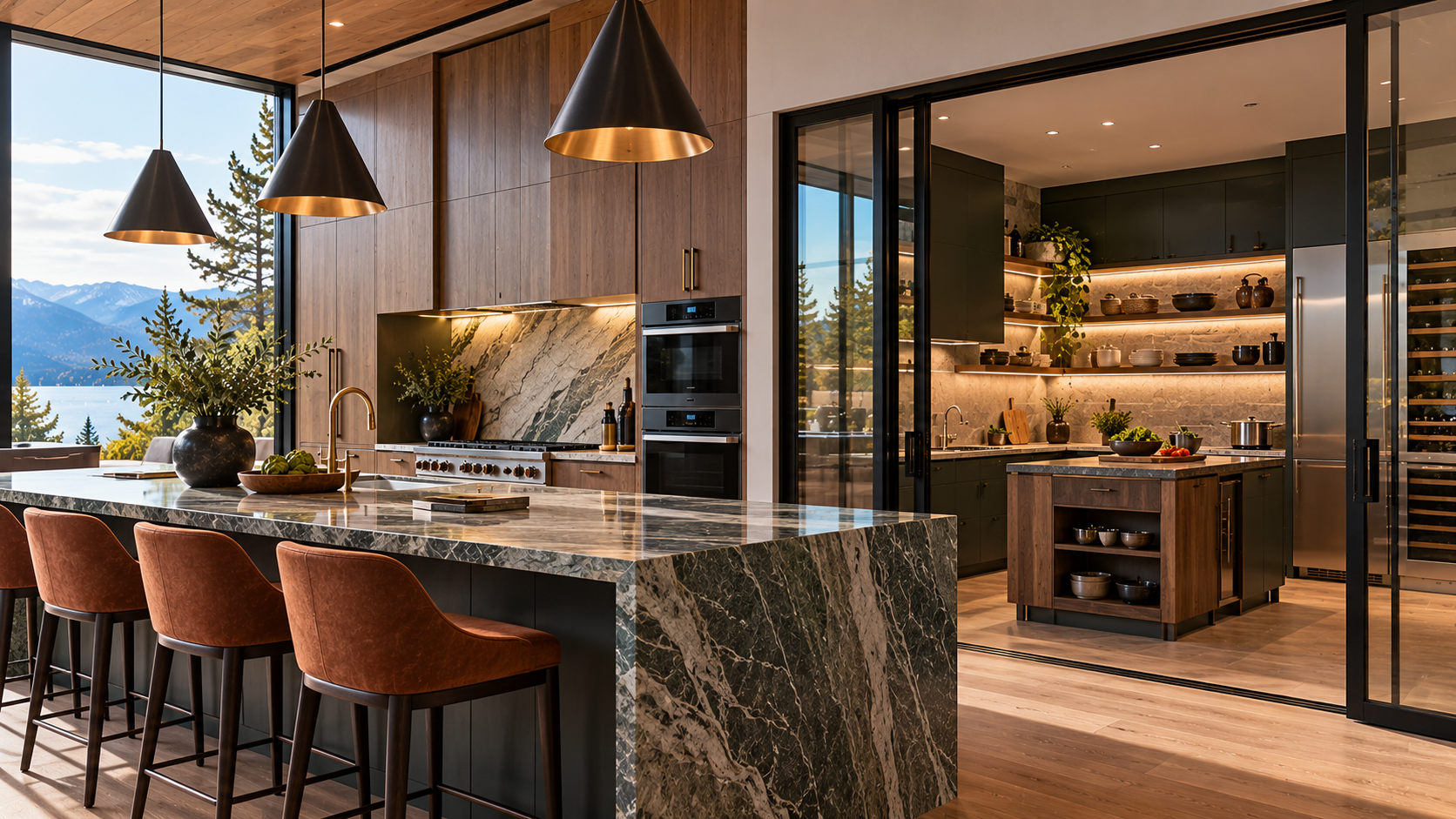
The best custom homes aren't designed only around how someone wants a house to look. They're designed around behaviour. Something as ordinary as bringing groceries inside can reveal whether a floor plan is genuinely functional. Where do you park? Which entrance do you use? How far is that entrance from the kitchen? Is the pantry along that route, or do you need to carry grocery bags across the entire main floor?
The same exercise can be applied to laundry, garbage, luggage, sports equipment and deliveries. Circulation begins to mean more than hallways and door locations; it becomes an examination of how people and objects move through the house every day.
Storage should be approached in much the same way. Every household accumulates keys, mail, shoes, backpacks, charging cables, dog leashes, packages, cleaning products and small appliances. Homes often feel cluttered not because there is insufficient storage overall, but because the storage isn't located where those objects naturally appear. A beautifully organized closet at the opposite end of the house won't solve the pile of shoes that forms beside the door everyone actually uses.
Morning routines can also provide valuable design information. If two people need the bathroom at the same time, is a second sink actually the priority, or would more counter space and a separate grooming area work better? If someone makes coffee every morning while another person prepares breakfast, should the coffee station sit outside the primary kitchen work zone? If children regularly enter through the garage, does the mudroom provide what they need before they reach the rest of the house?
Then consider the opposite scenario: a large gathering. Where do 20 coats go? Can guests reach the powder room without walking through private spaces? Where does everyone naturally gather? If the event is catered, is there somewhere for food preparation and cleanup to happen away from the main entertaining area?
A well-designed custom home should work on an ordinary Tuesday morning and during a holiday party.
This is why homeowners should tell their design team about the seemingly insignificant details of their lives. Mention that you drink coffee outside every morning. Explain that your parents visit for several months at a time. Tell them the dog regularly comes home covered in mud, that you hate appliances sitting on countertops or that everyone inevitably gathers in the kitchen during parties.
Those aren't random details. They're design information.
The ultimate luxury of a custom home isn't simply being able to say that nobody else has the same house. It's walking through your daily routine and realizing that the house seems to understand exactly how you live.