
Quiet Luxury Is Moving Into the Home—and It Doesn't Mean Beige
Quiet Luxury Is Moving Into the Home—and It Doesn't Mean Beige

"Quiet luxury" has become one of the most overused terms in design. In fashion, it originally described beautifully made pieces without obvious branding or attention-seeking details. As the idea moved into interior design, however, it quickly became associated with rooms filled with cream furniture, beige walls and neutral accessories. True quiet luxury is much more interesting than that. It isn't a colour palette at all; it's an approach to quality, craftsmanship and restraint.
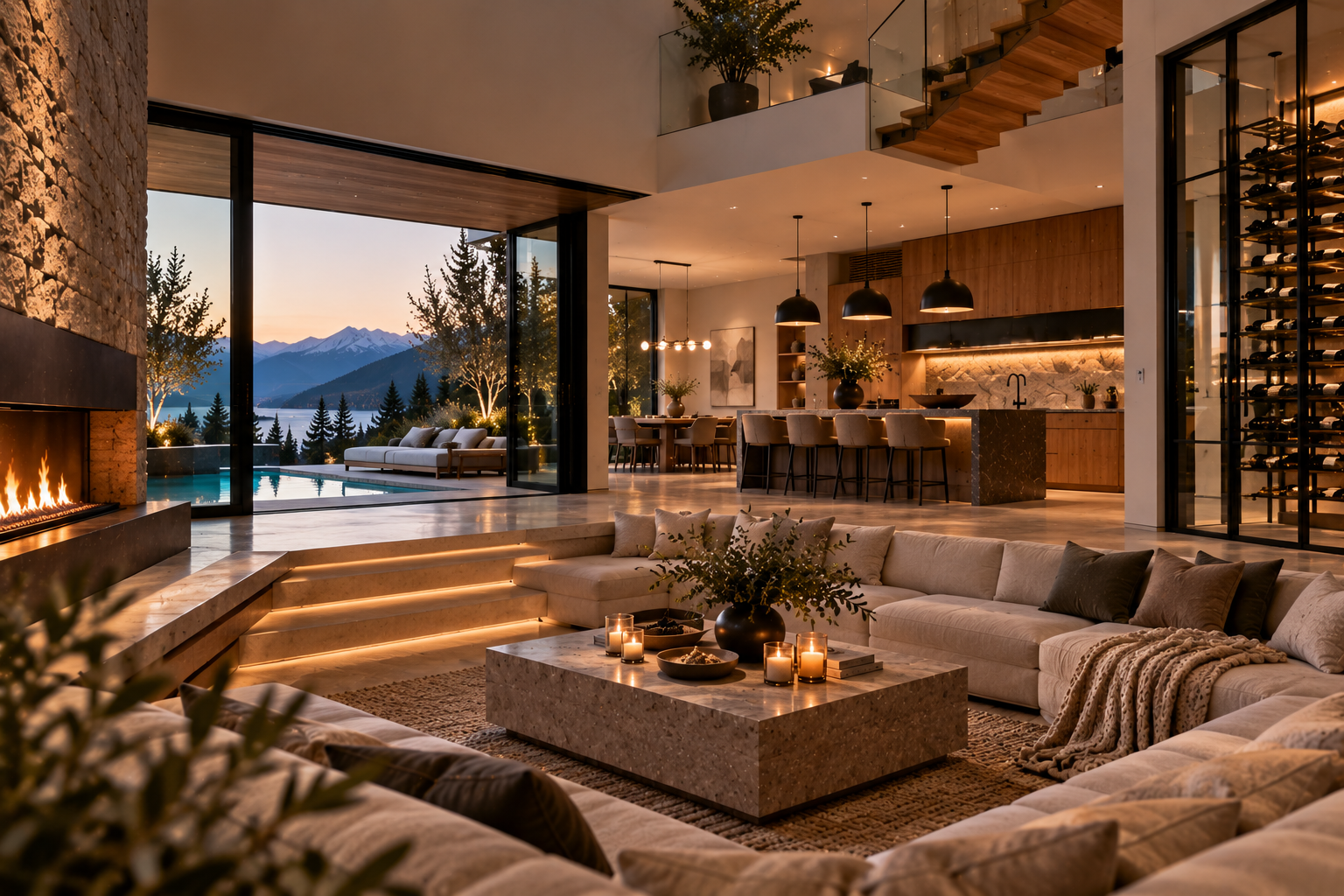
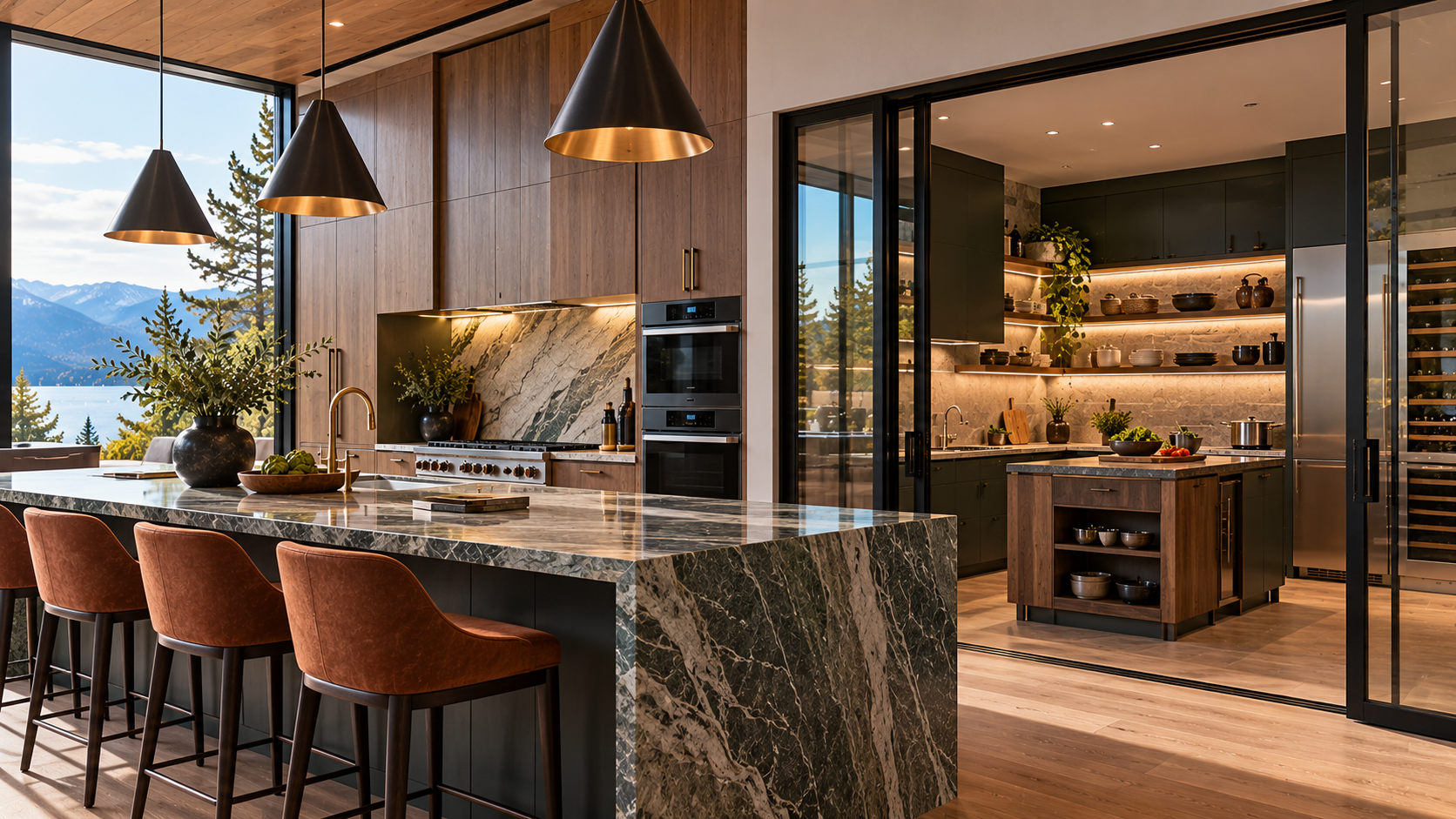
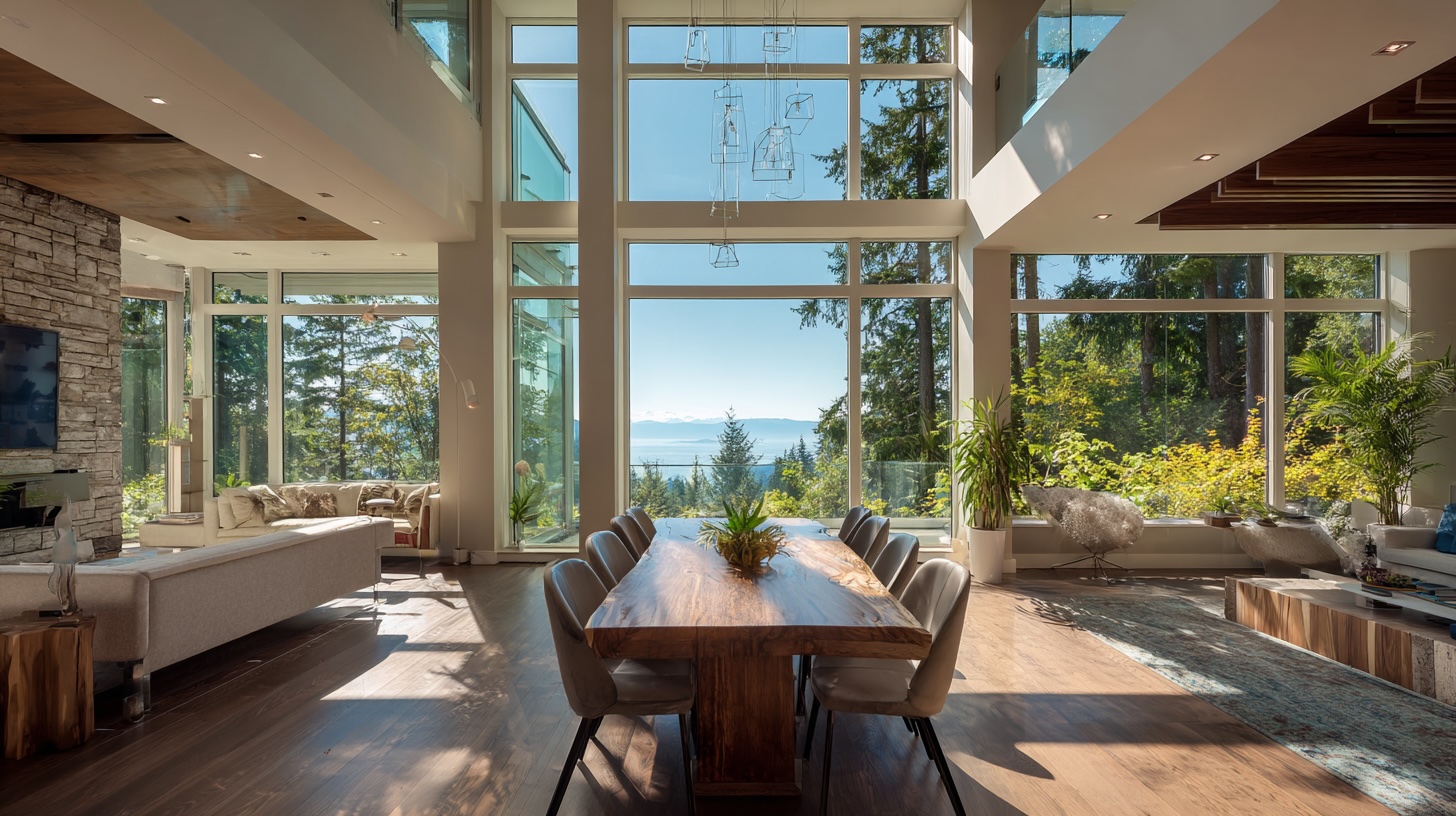
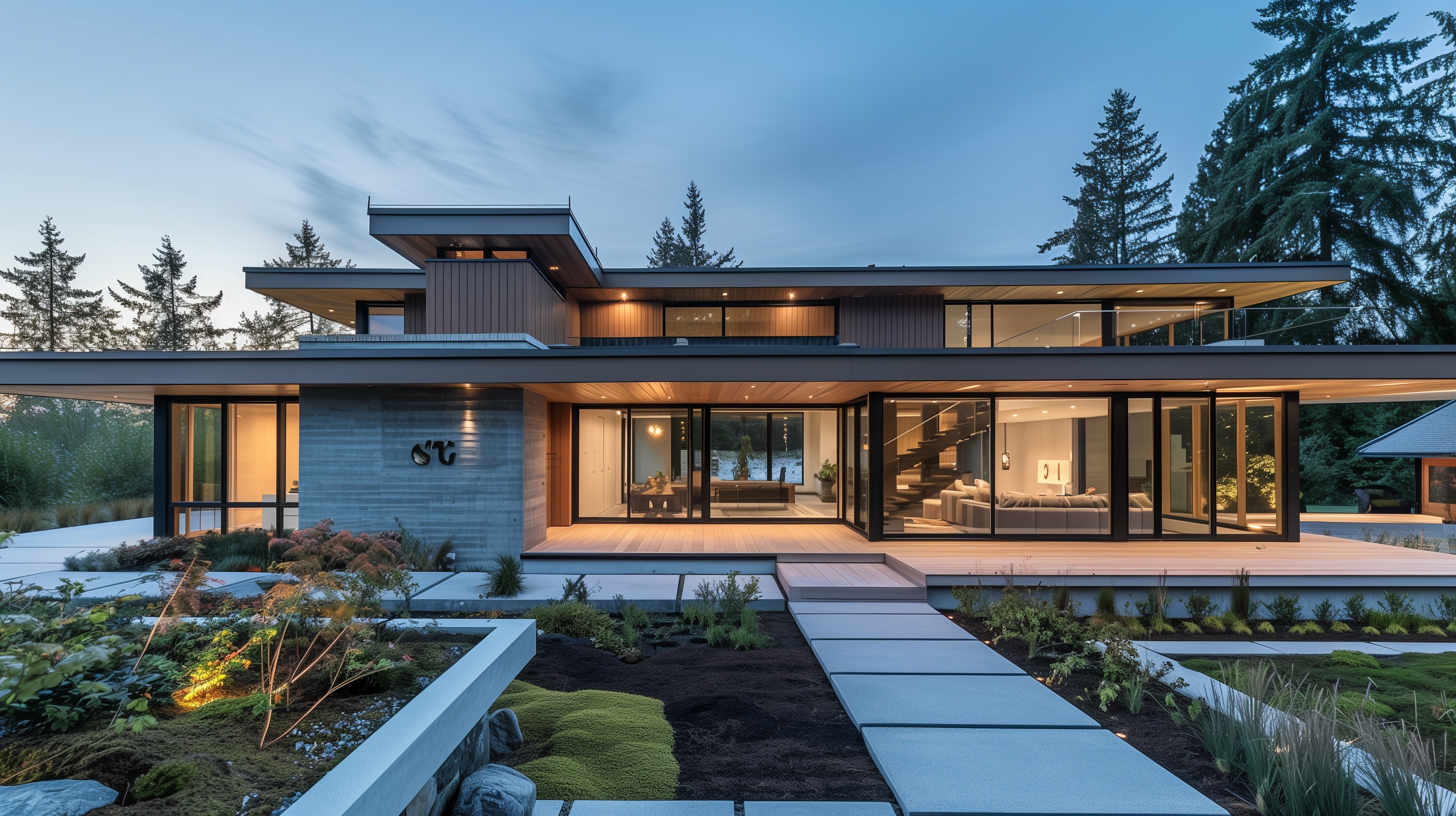
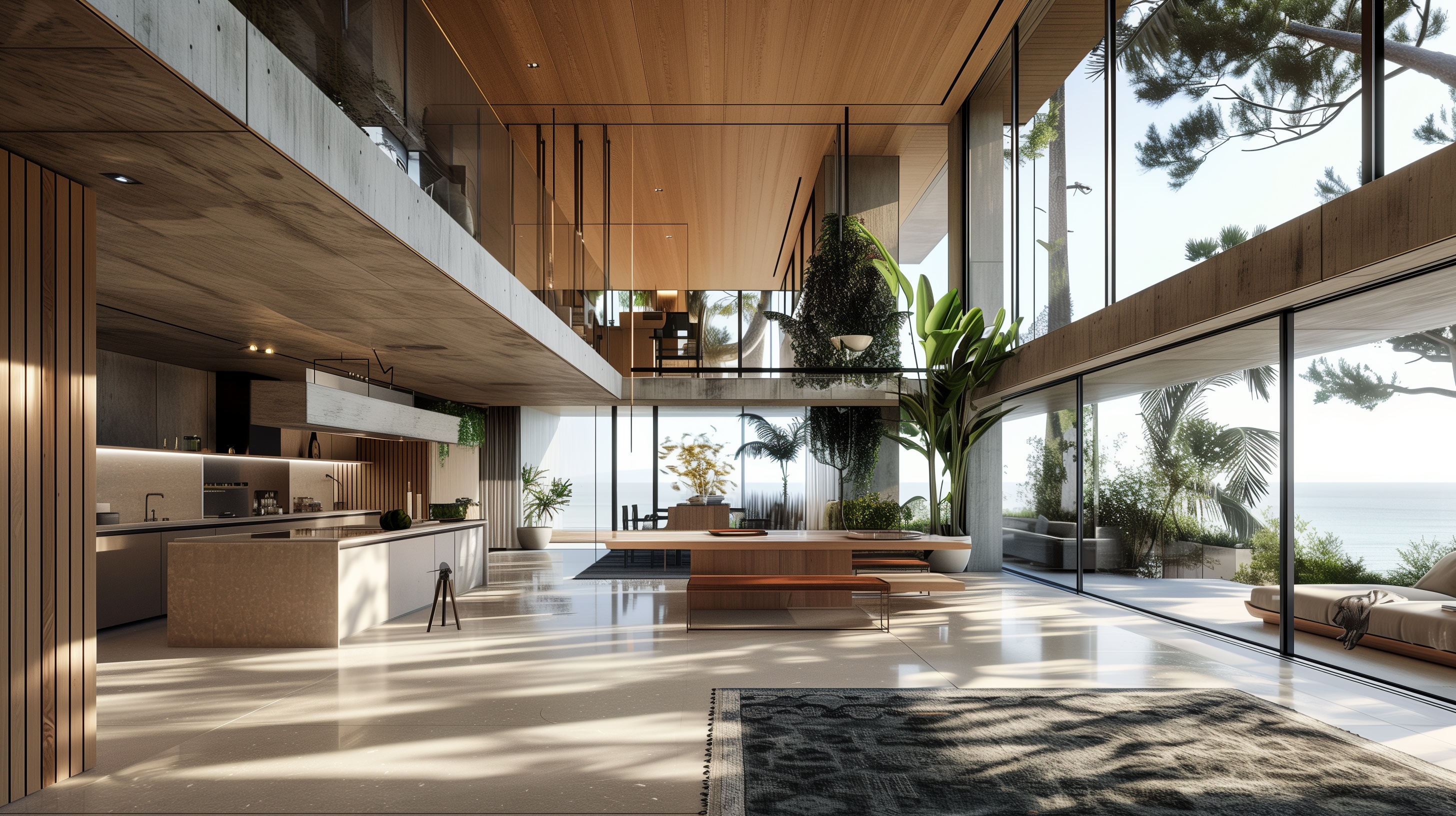
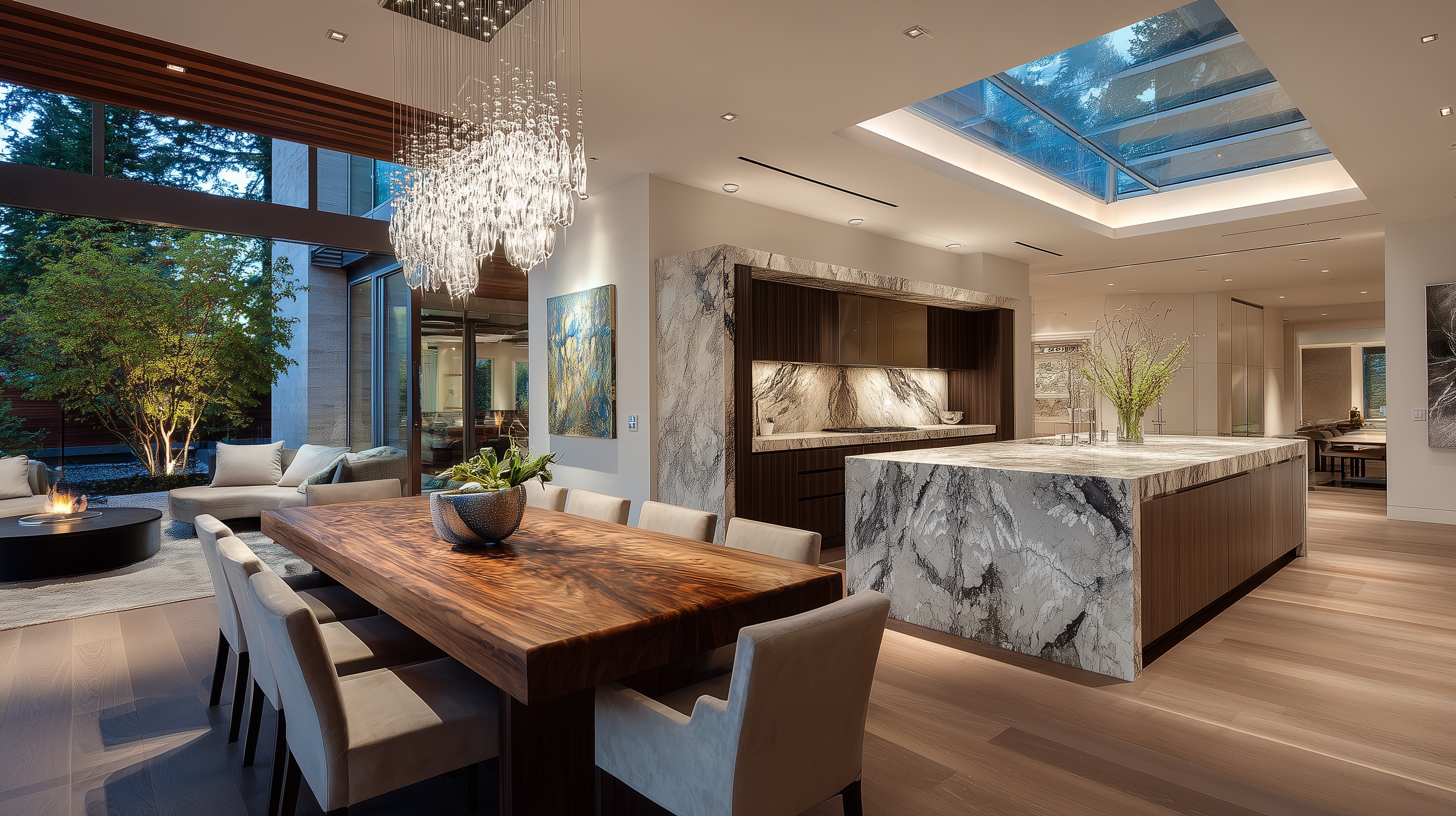
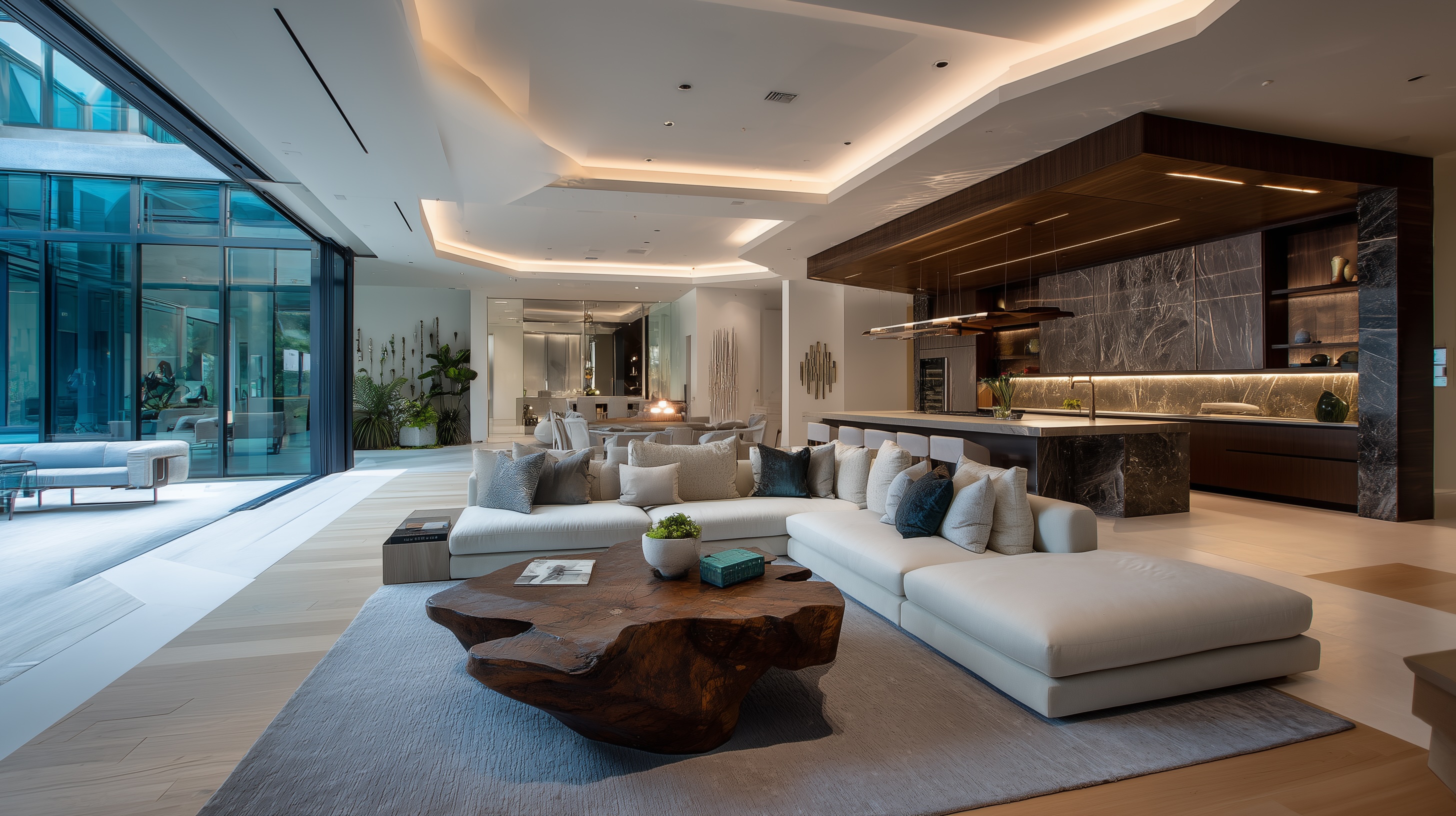
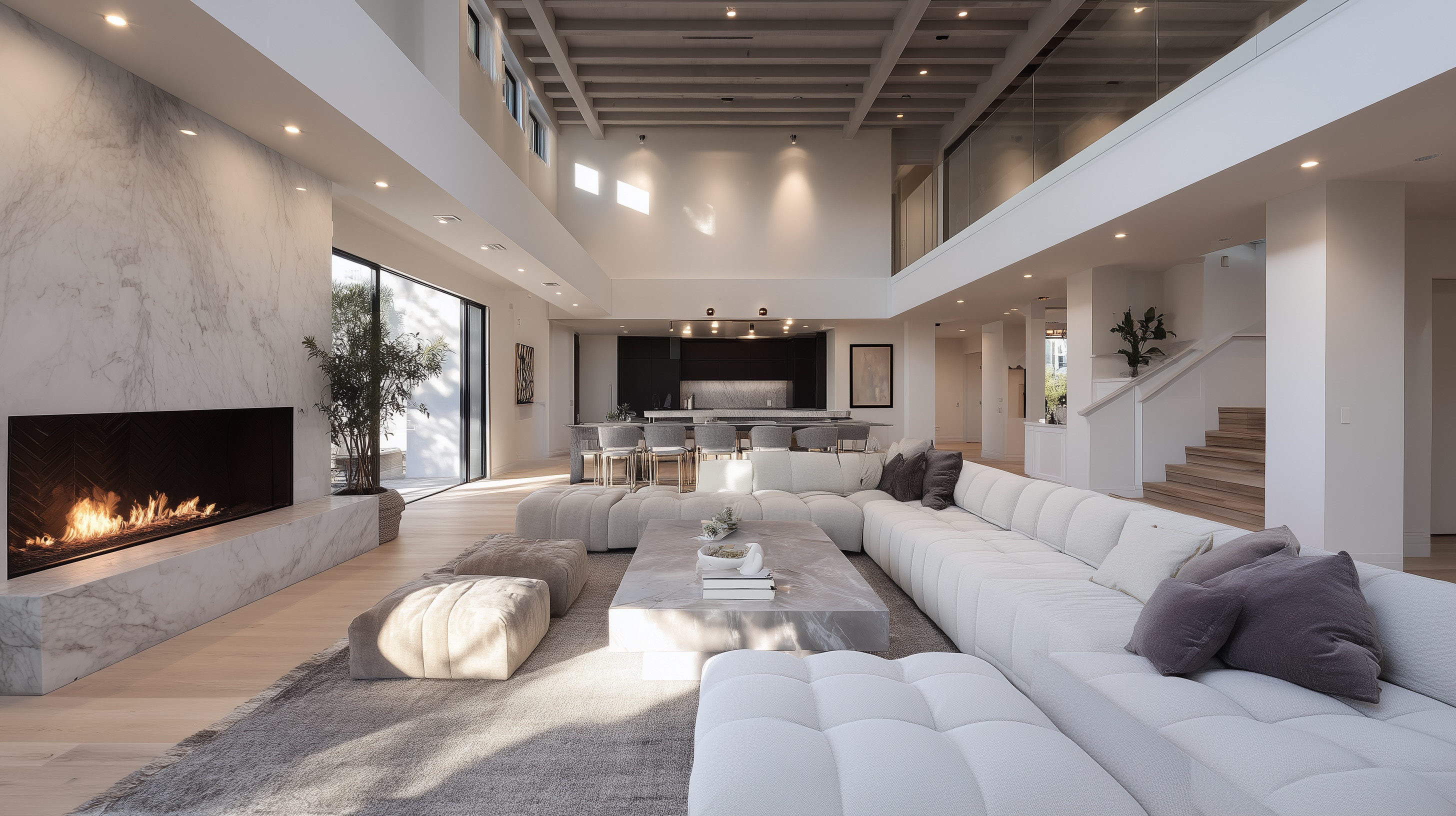
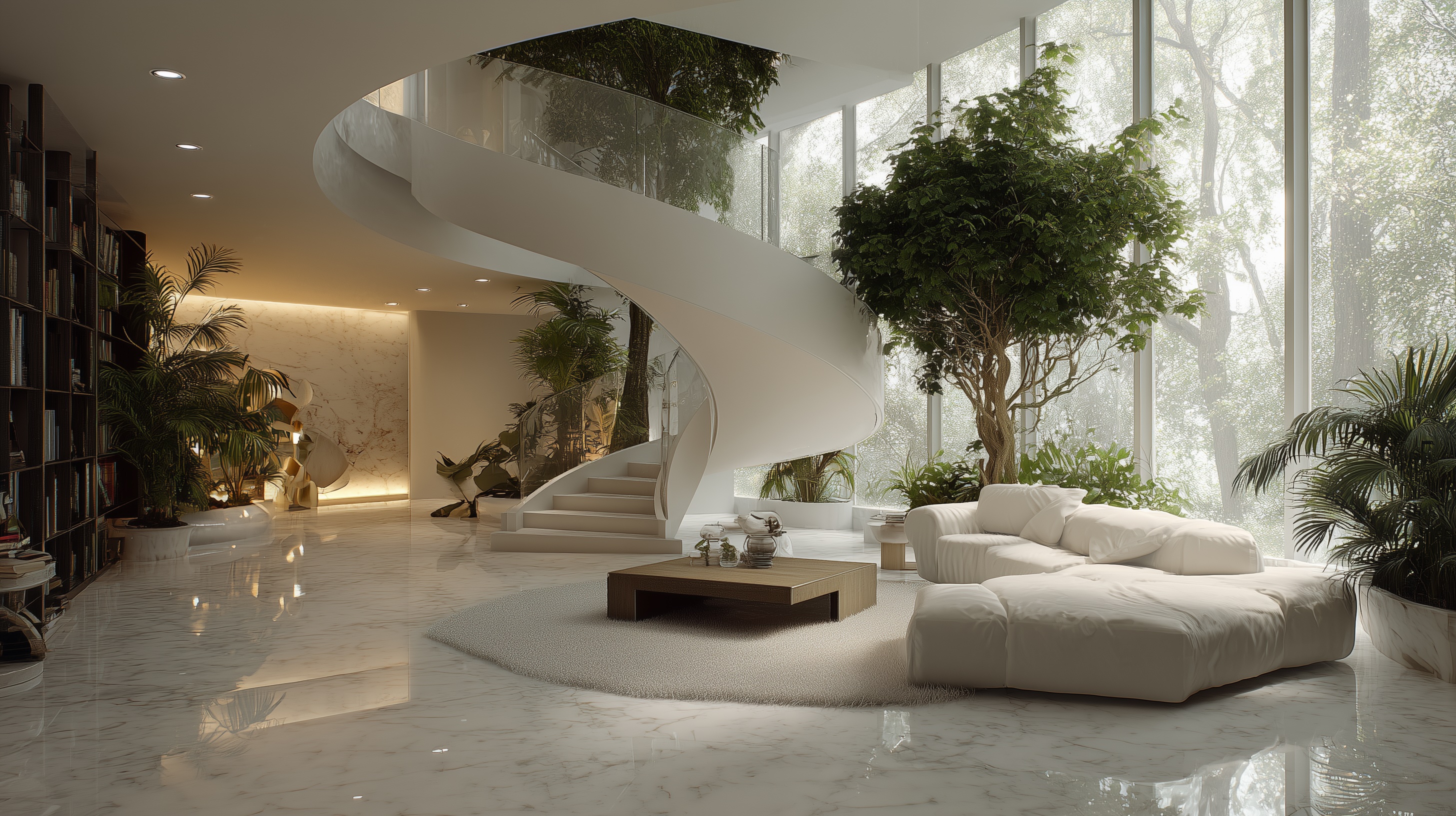
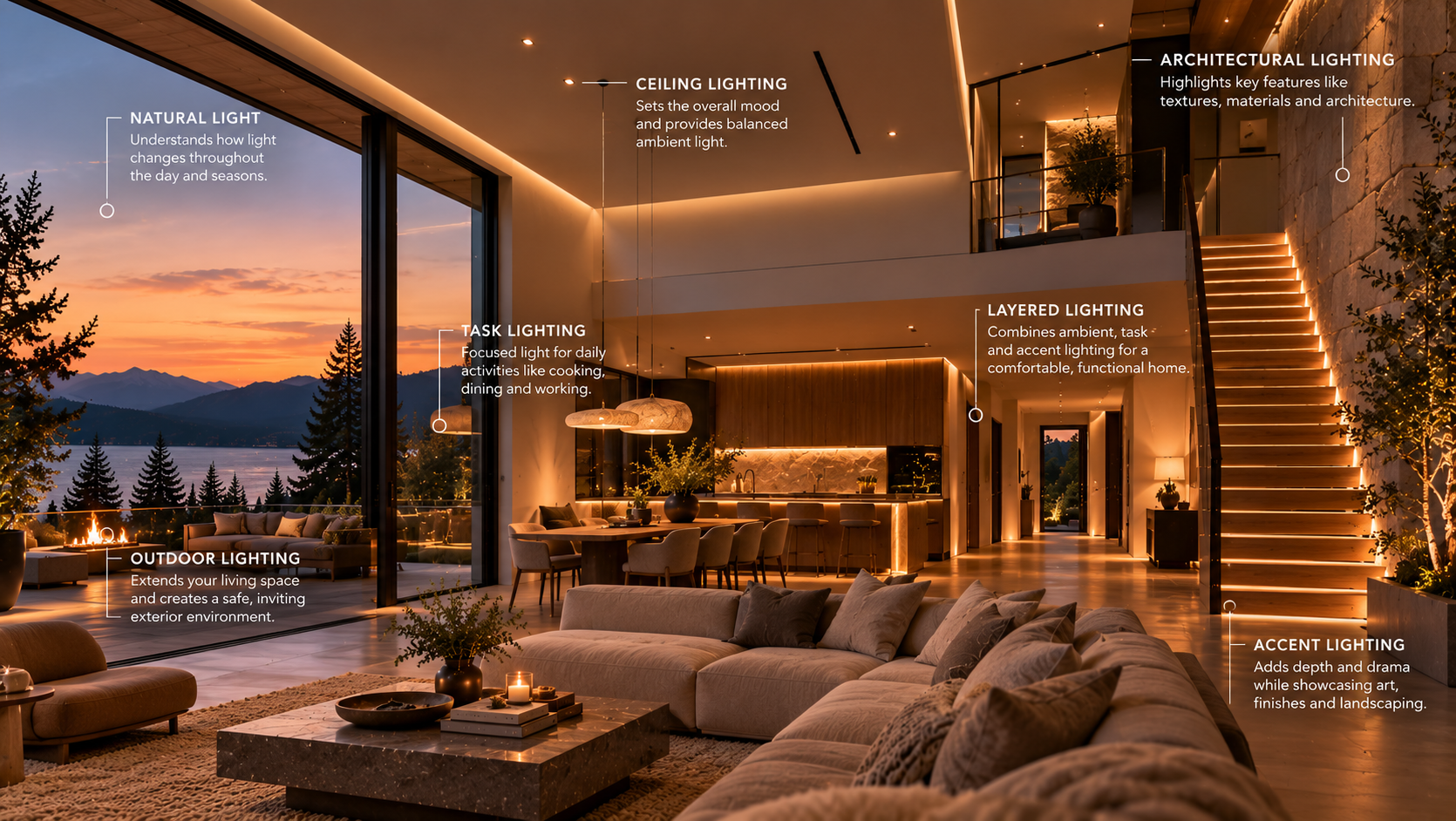
You can often recognize this kind of luxury before you can identify exactly what makes the room feel expensive. There may not be a dramatic chandelier or an enormous feature wall competing for attention. Instead, you notice how beautifully the materials meet, the weight of the hardware, the consistency of the millwork, the thickness of the stone or the way concealed lighting grazes a textured wall. The architecture isn't constantly asking to be noticed, but the quality becomes apparent the longer you're in the space.
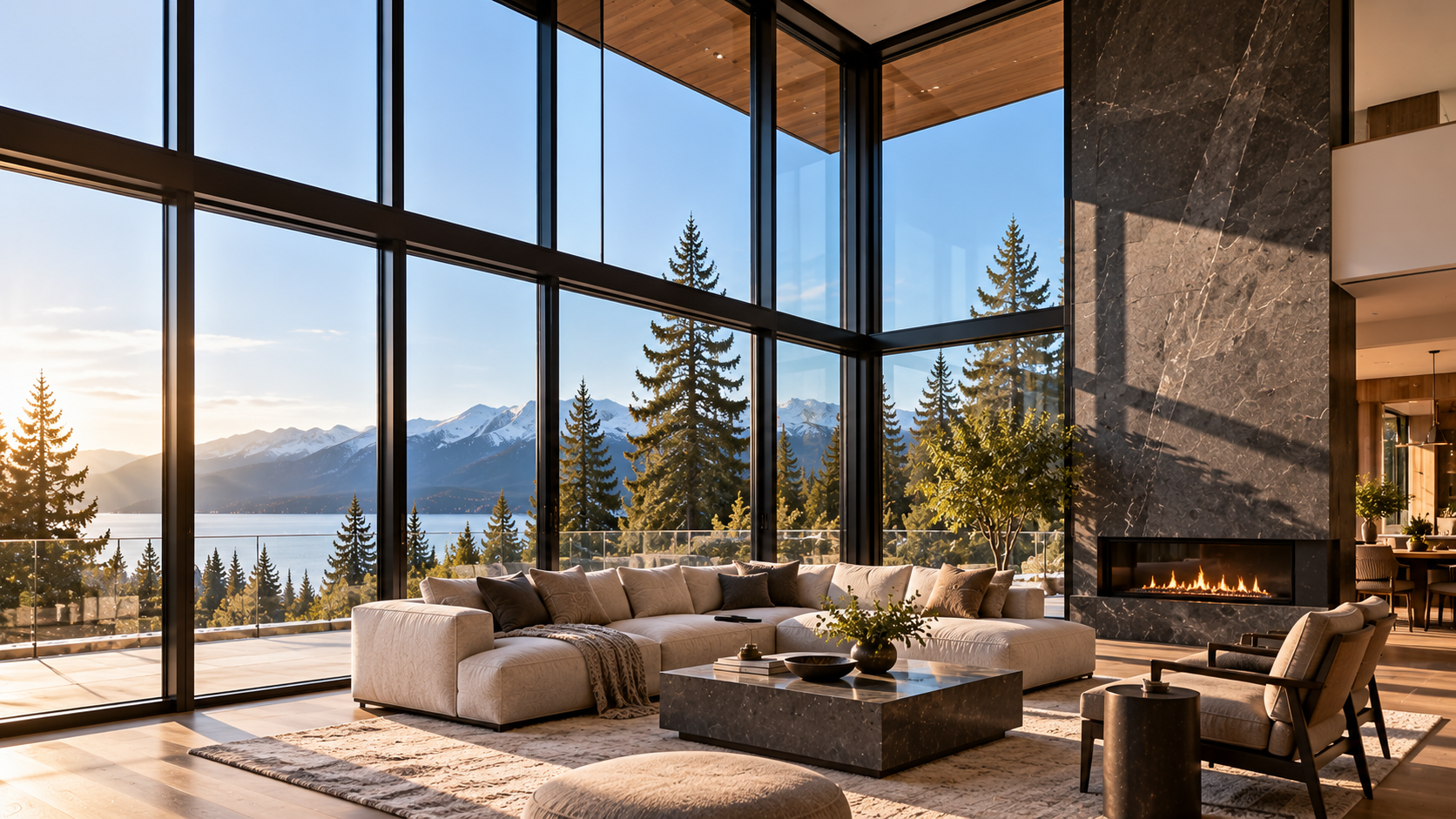
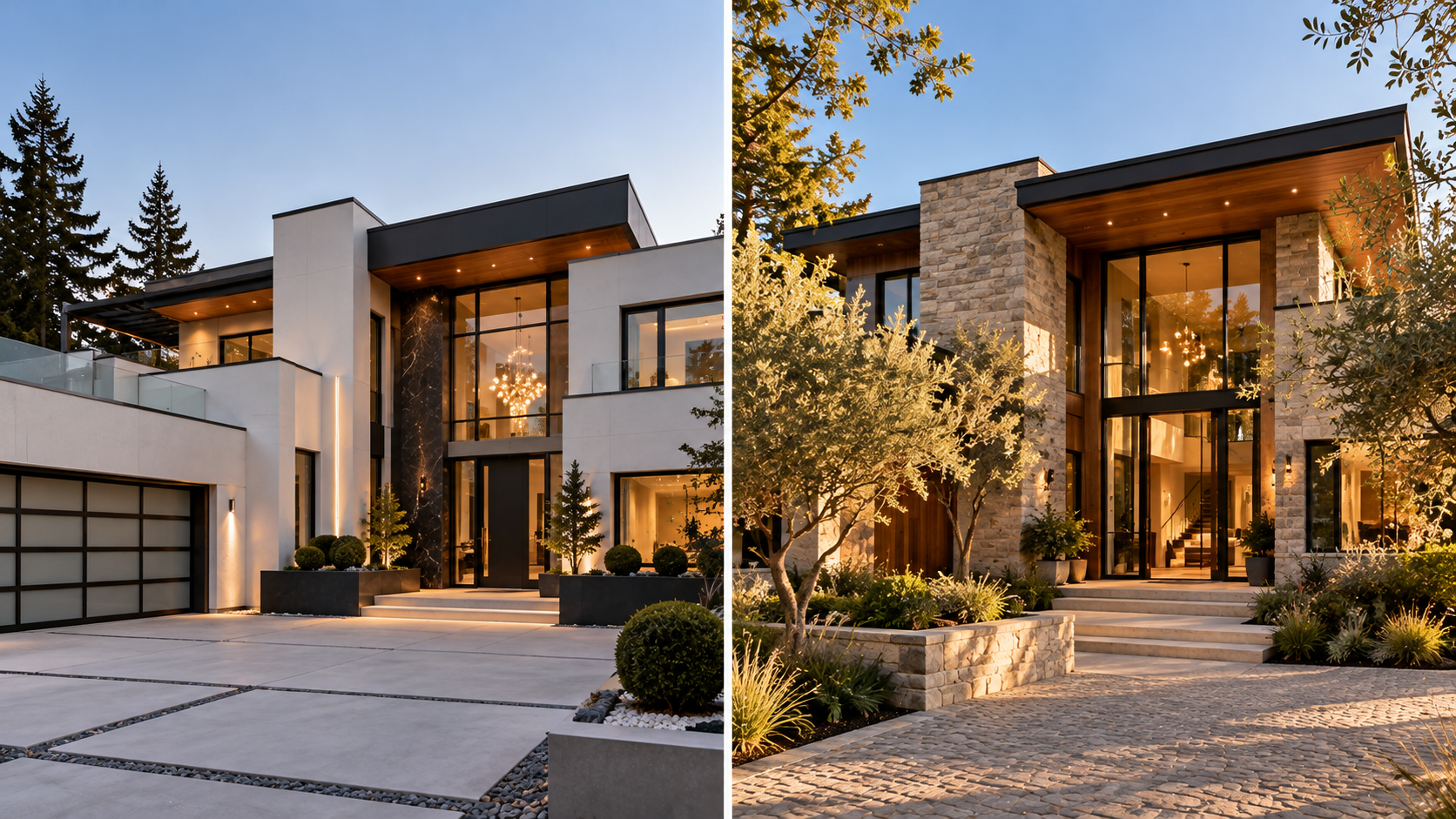
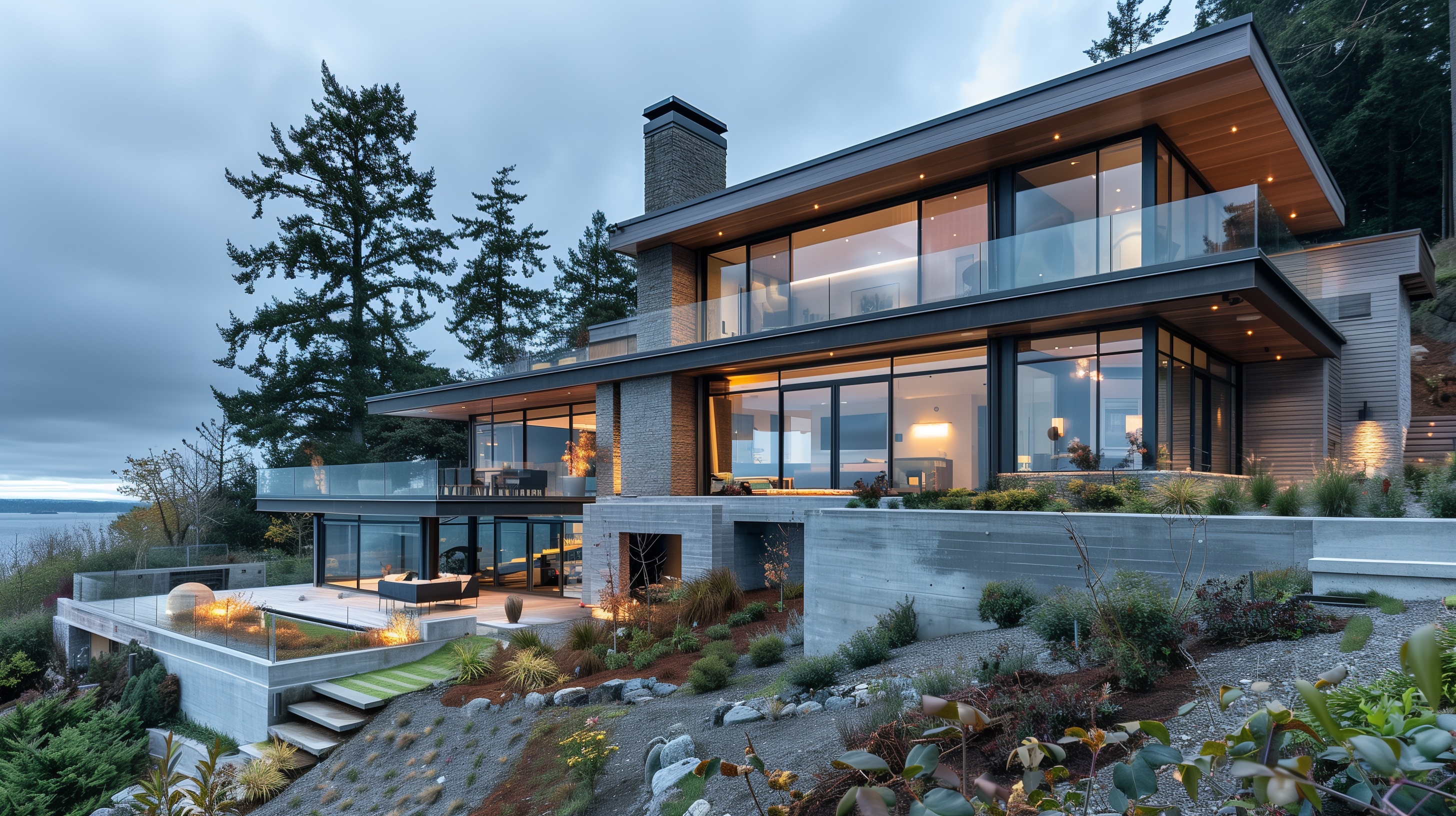
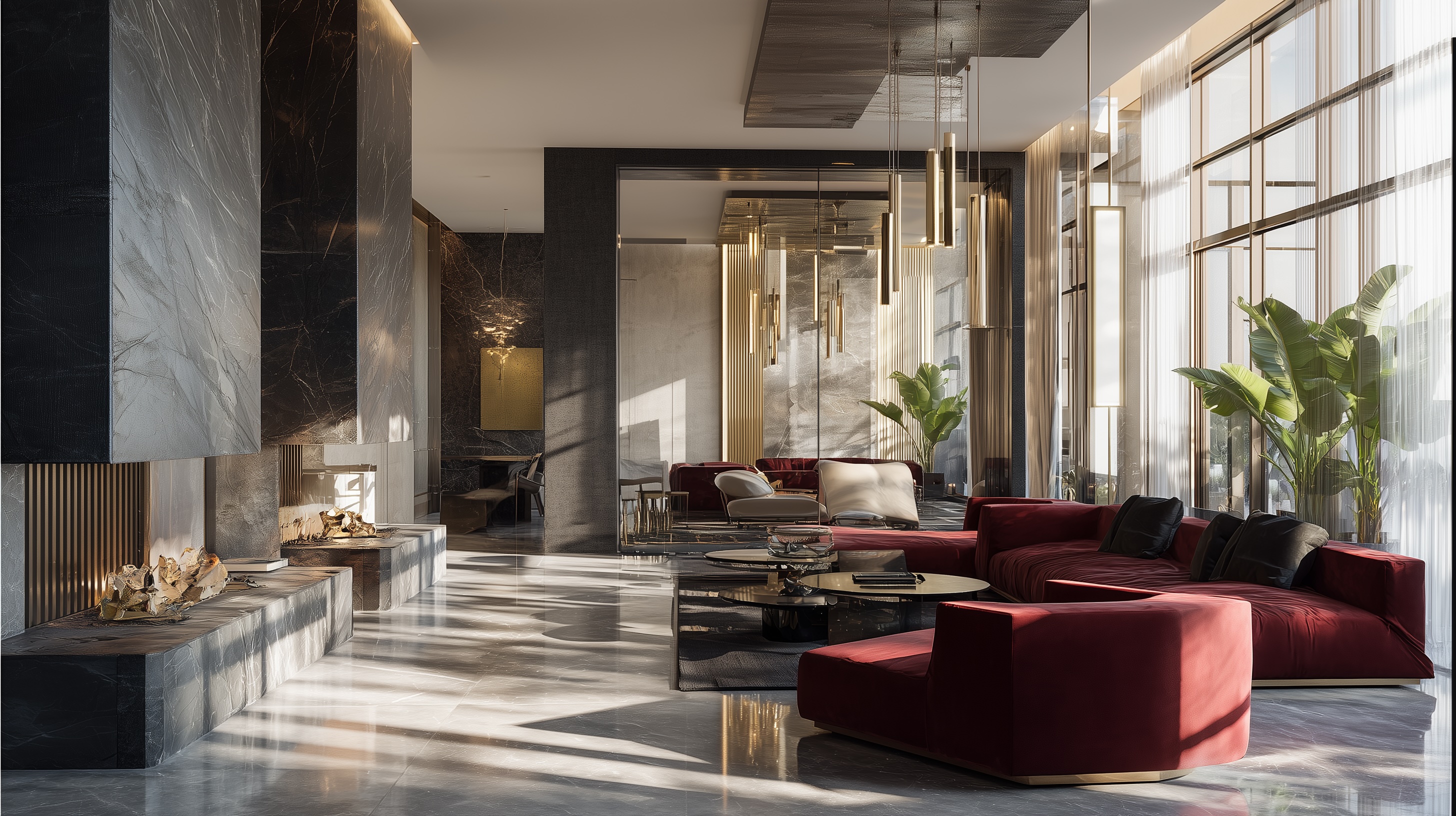
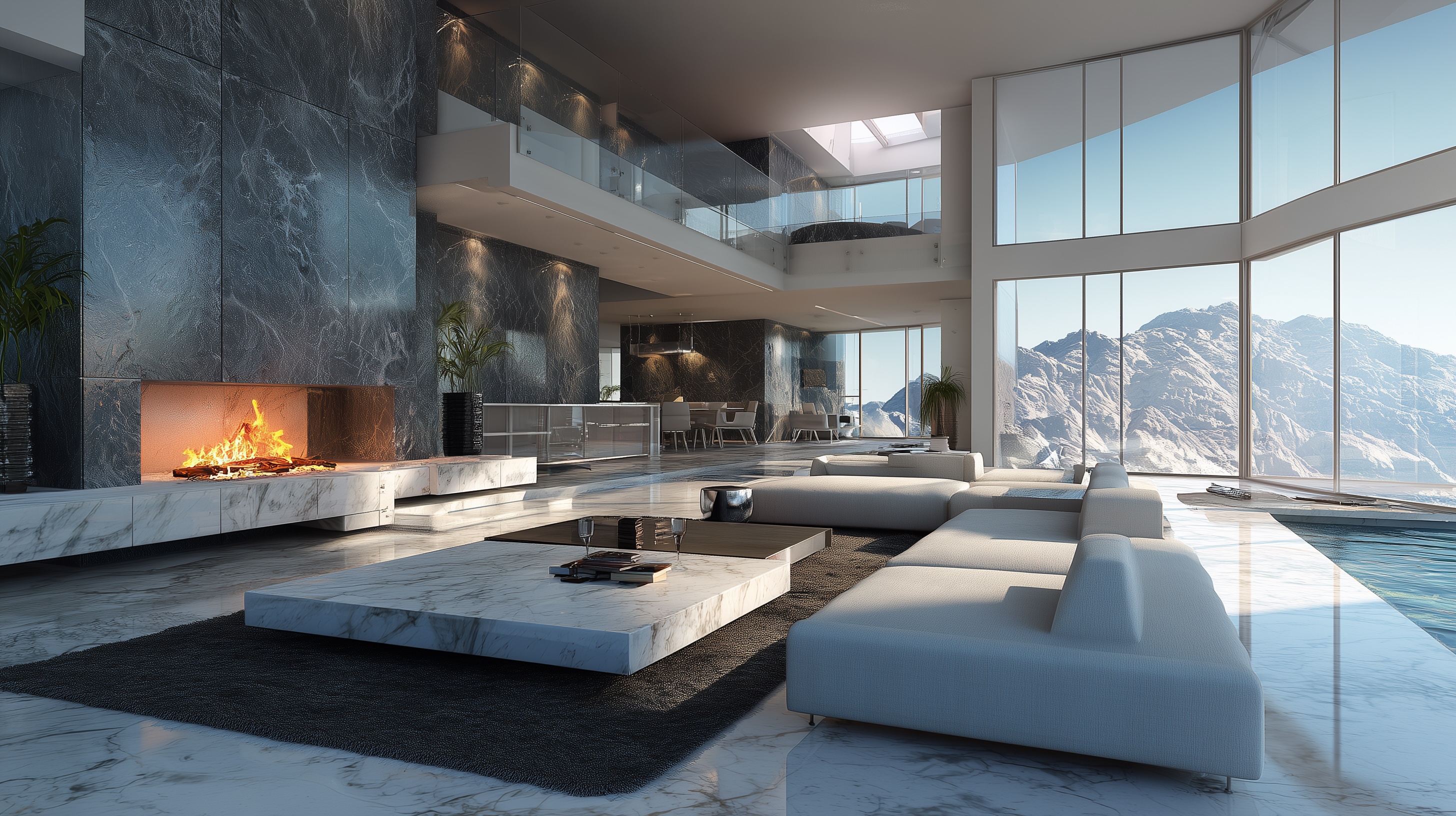
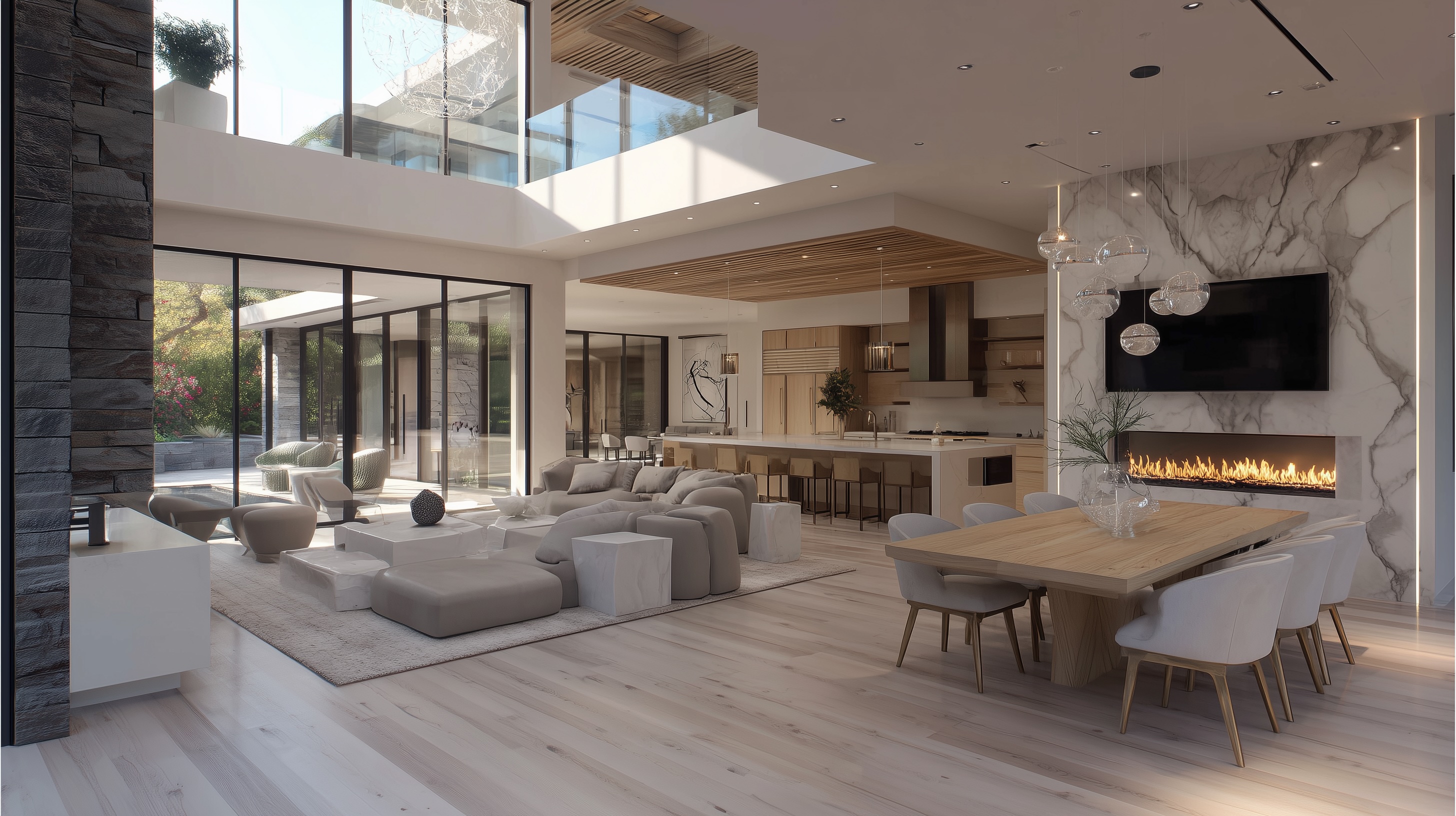
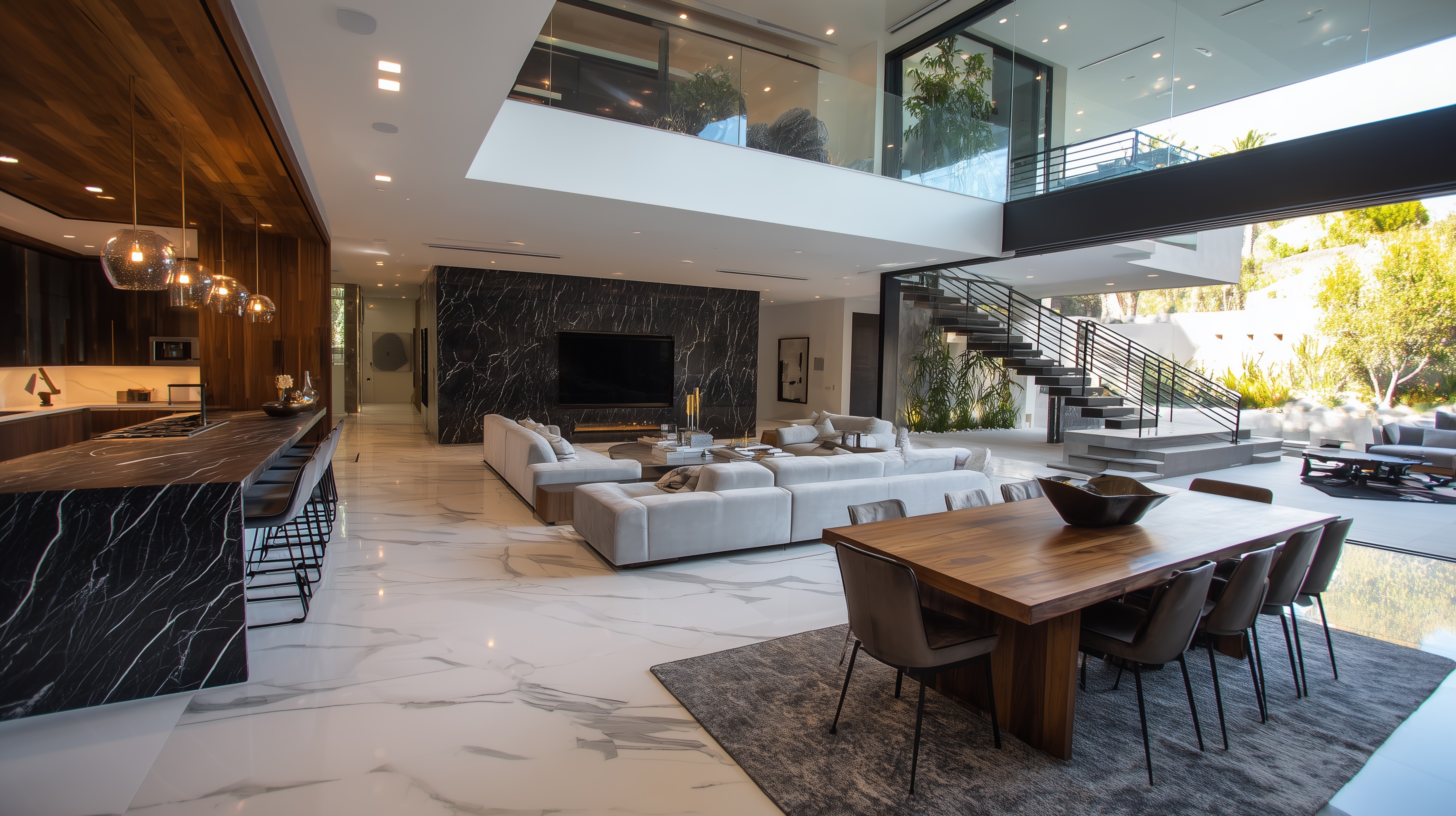
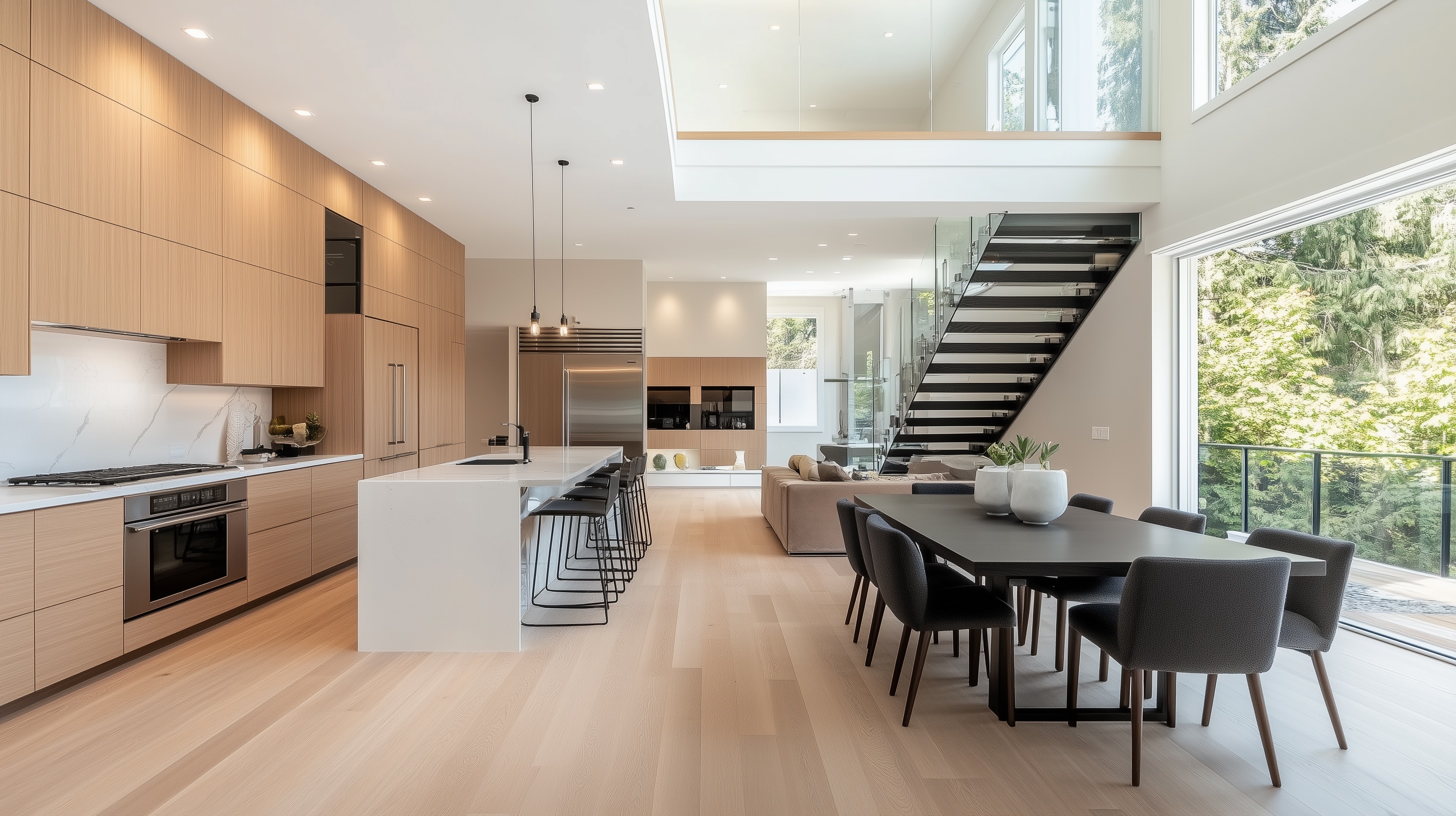
Material selection plays an important role in creating that feeling. Luxury interiors don't necessarily need more materials; in many cases, they benefit from fewer materials used more intentionally. Natural oak, stone, plaster and metal might form the primary palette and then repeat throughout the house in different ways. That repetition creates continuity between rooms and allows individual details to feel connected to a larger architectural idea.
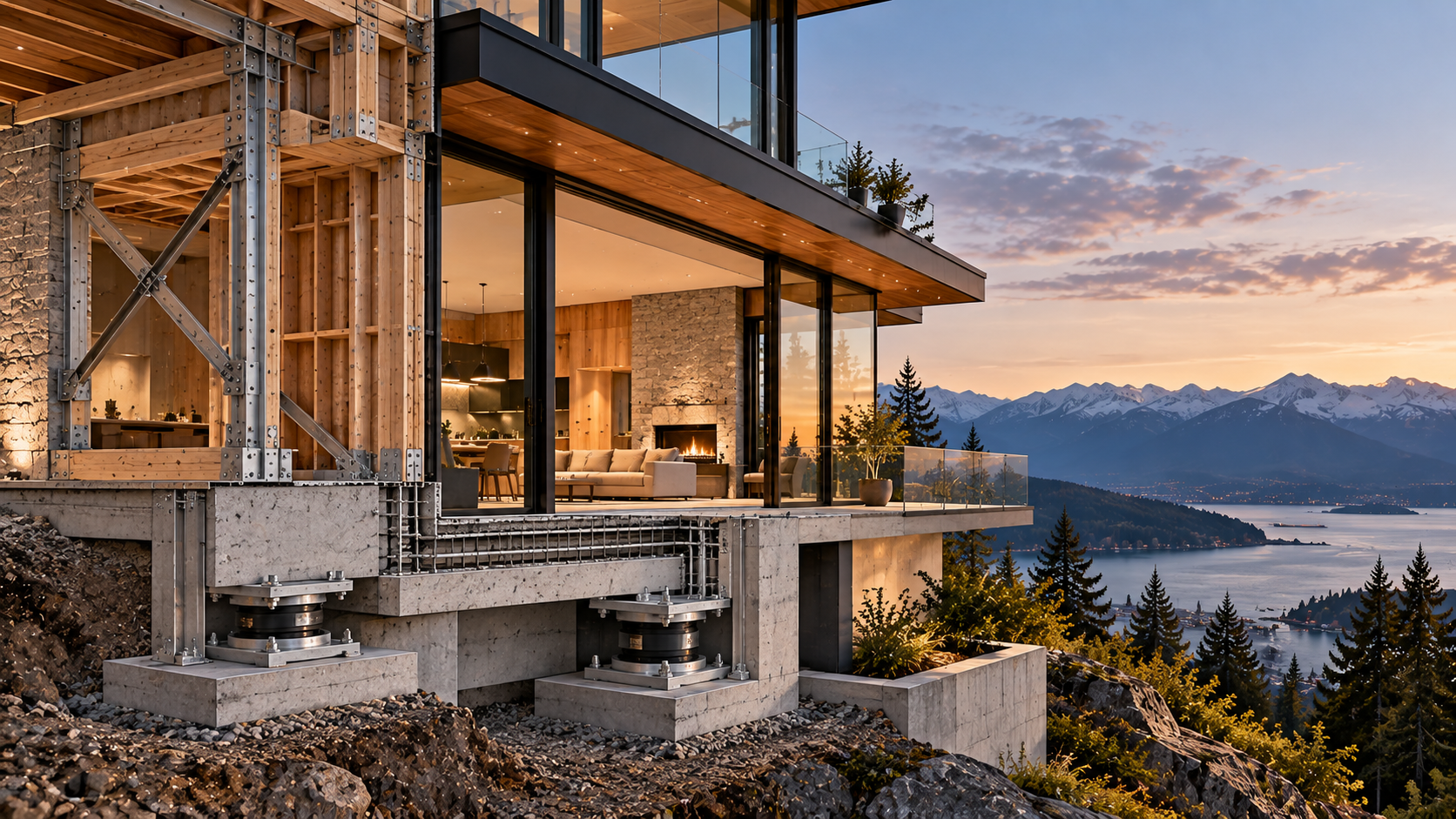
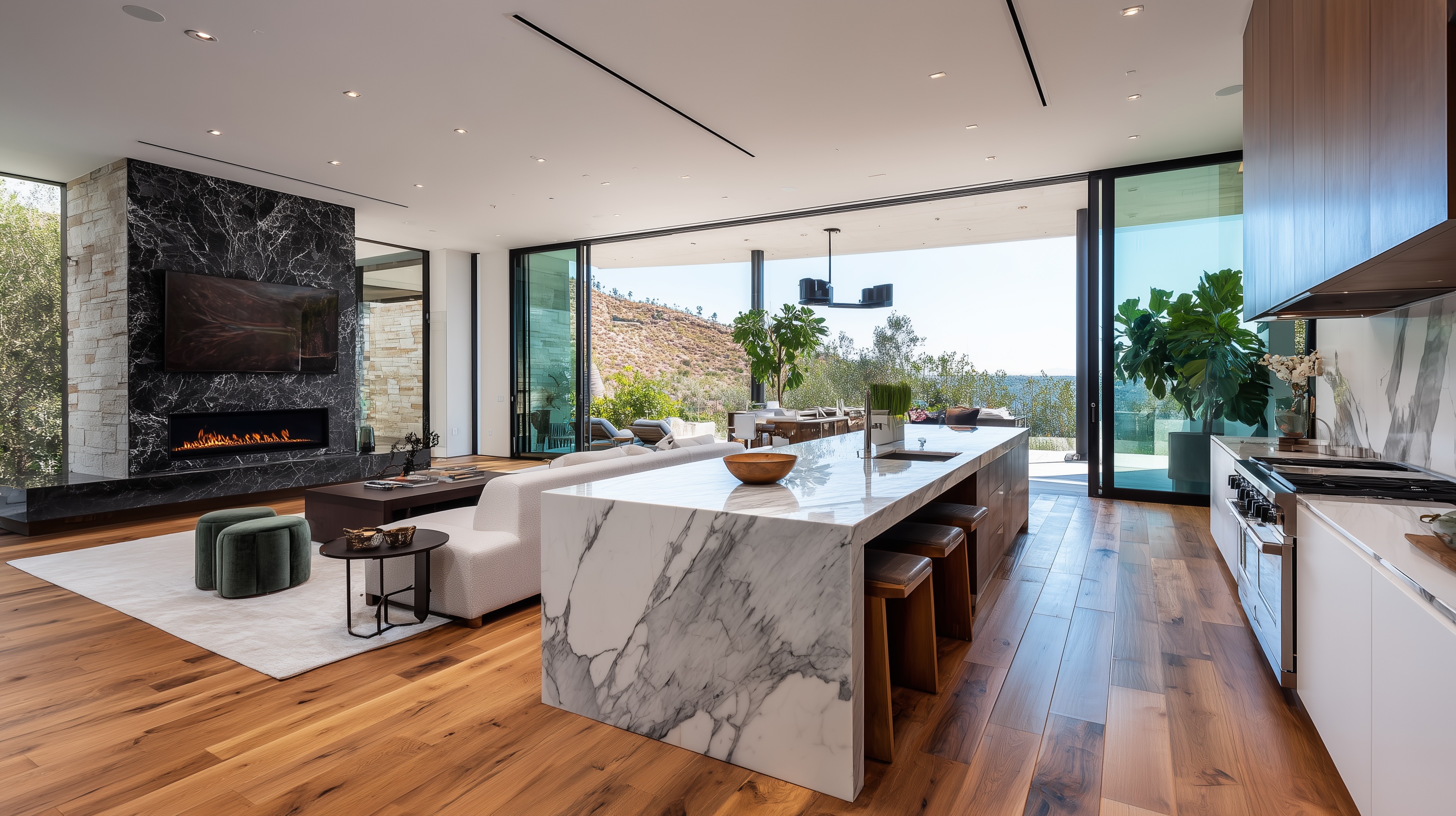
Restraint also places greater emphasis on craftsmanship. When a design is clean, there is nowhere for poor detailing to hide. Cabinet reveals need to align. Stone transitions become noticeable. Door proportions matter. Vents, switches, outlets and lighting locations become part of the architecture instead of elements added after the design is complete. A minimal interior may look effortless when it's finished, but achieving that simplicity can require an enormous amount of coordination.
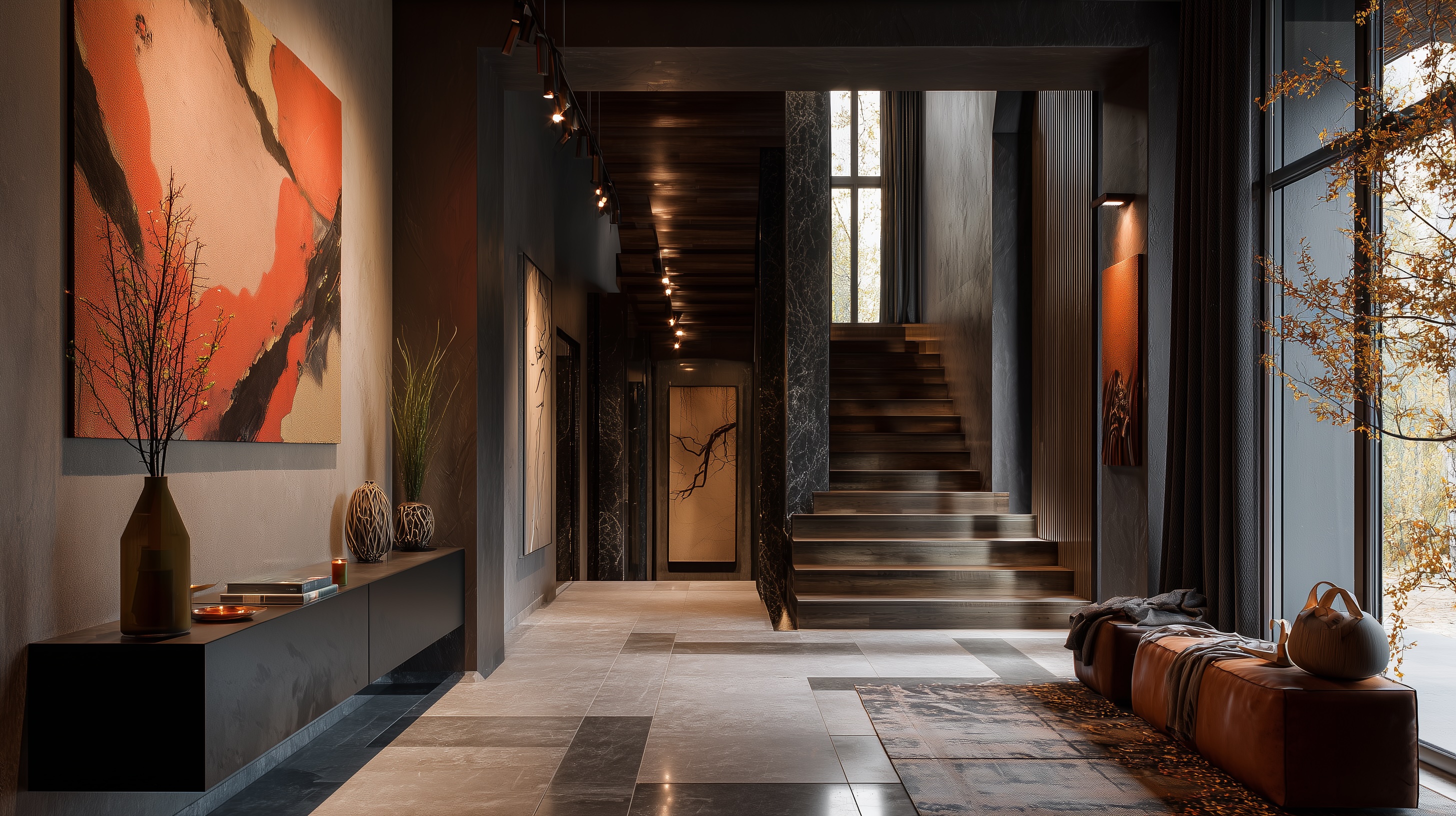
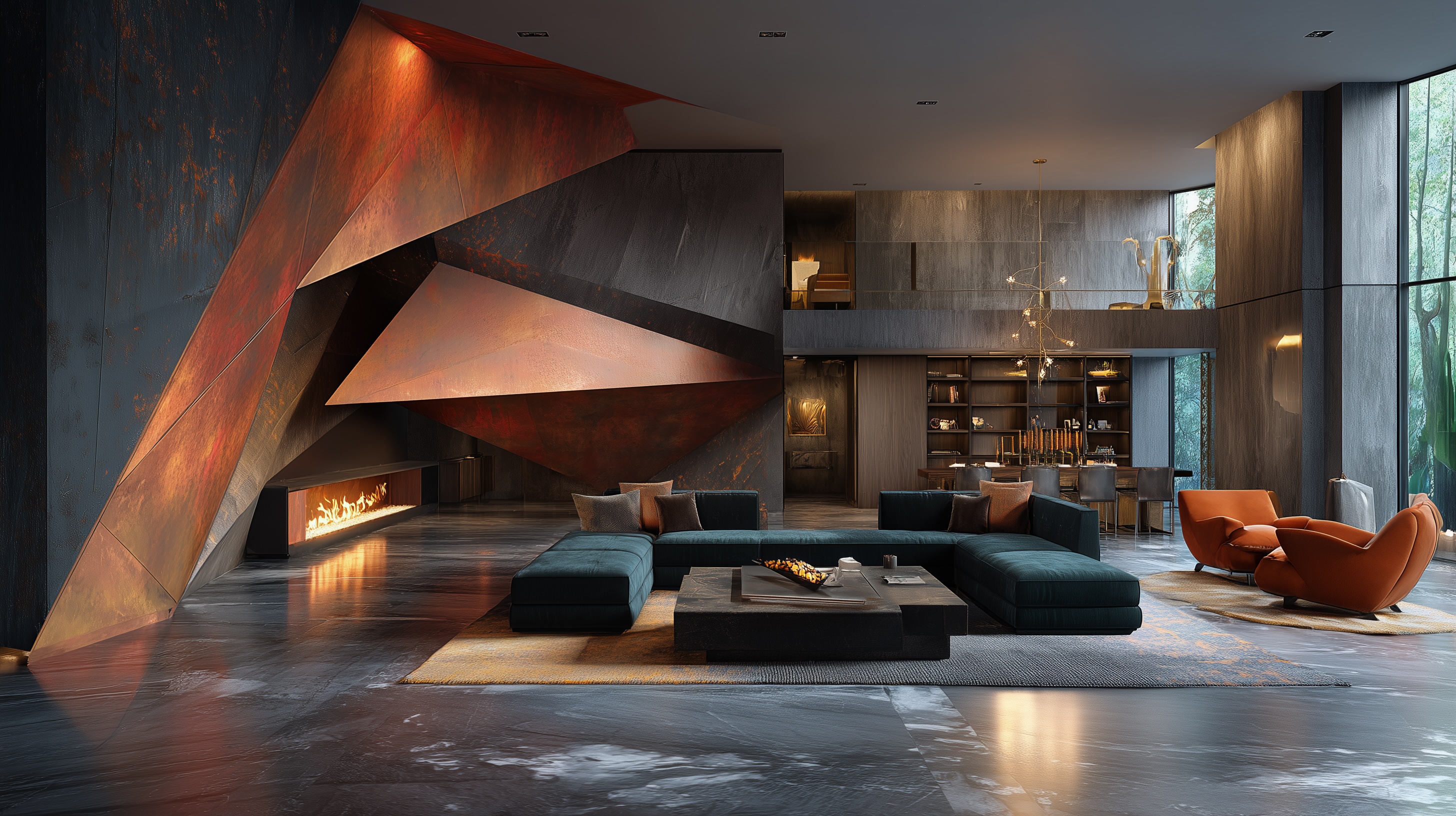
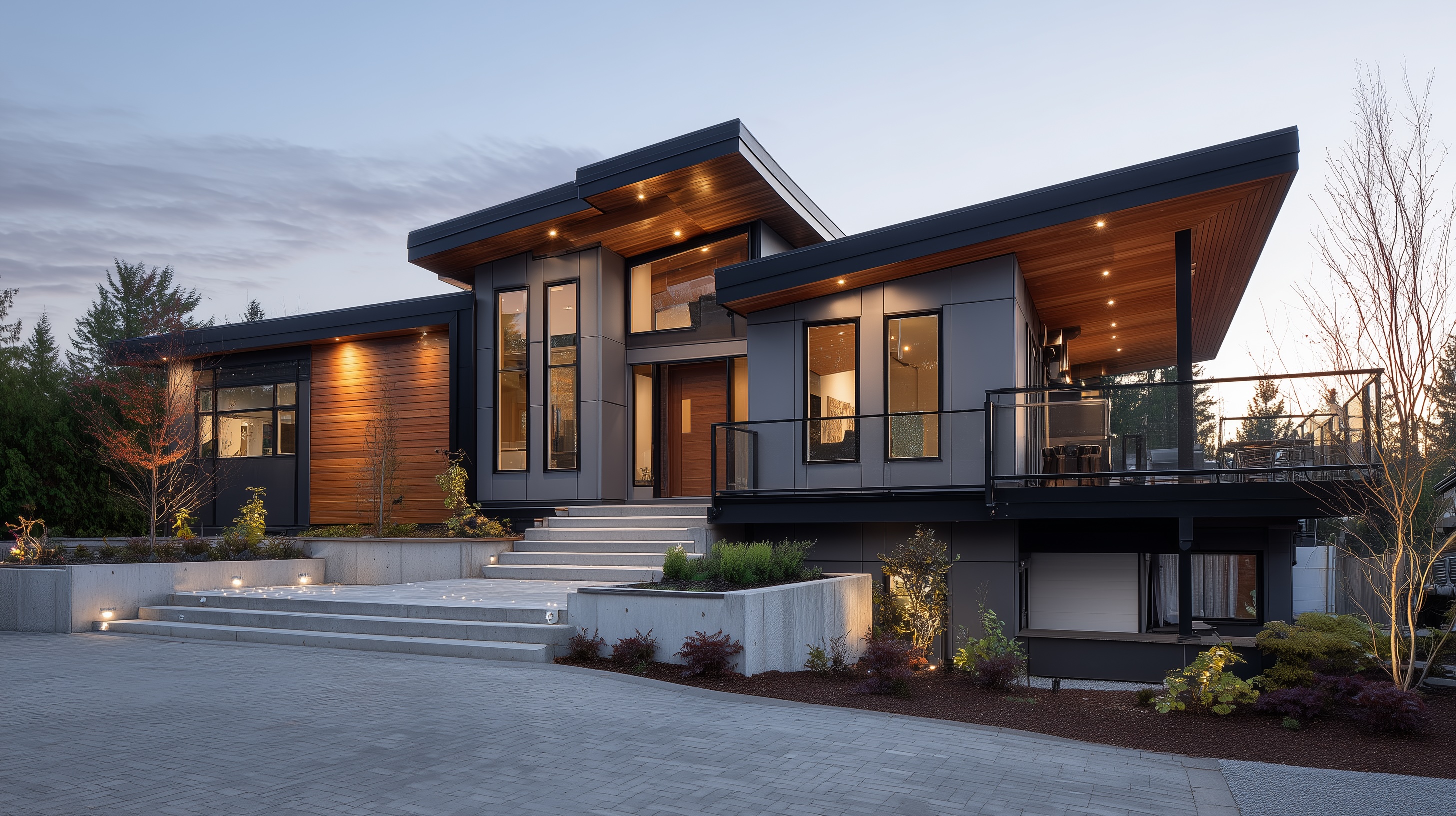
Quiet luxury also shouldn't be confused with creating a home without personality. Colour, artwork, furniture and objects collected over time can bring tremendous character into a restrained architectural environment. The key is understanding which design decisions are permanent and which can evolve. A sofa or light fixture can be replaced relatively easily. Flooring, built-in millwork and major stone installations are considerably more complicated and expensive to change.
For that reason, some of the most successful custom homes allow trends to live in the layers that can evolve while keeping the architectural foundation strong and enduring. A home doesn't need to prove that it's luxurious through excess. Often, the most sophisticated spaces are the ones where every material, detail and object appears to have earned its place.