
What Will Make a Custom Home Feel Luxurious in 2030?
What Will Make a Custom Home Feel Luxurious in 2030?

Luxury residential design has always evolved. There was a time when granite countertops were a clear symbol of an upgraded home. Then came commercial-style appliances, enormous kitchen islands, smart-home systems and expansive walls of glass. None of those features necessarily disappeared, but the definition of a high-end home continued moving forward.
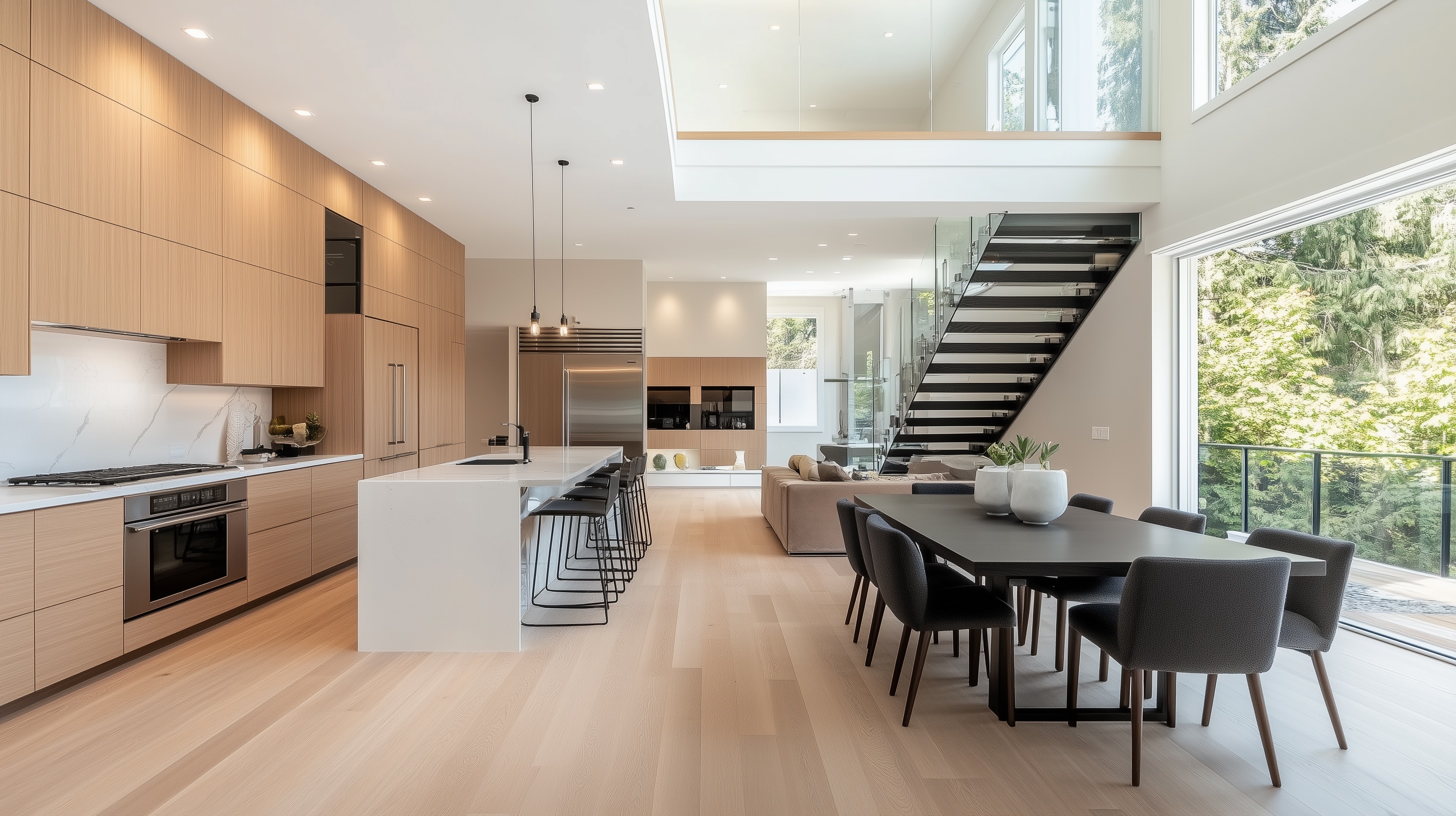
As we look toward 2030, the next version of residential luxury appears to be less about accumulating impressive features and more about creating homes that perform exceptionally well. The most sophisticated houses may not immediately tell you why they feel expensive. They will simply feel comfortable, calm and effortless.
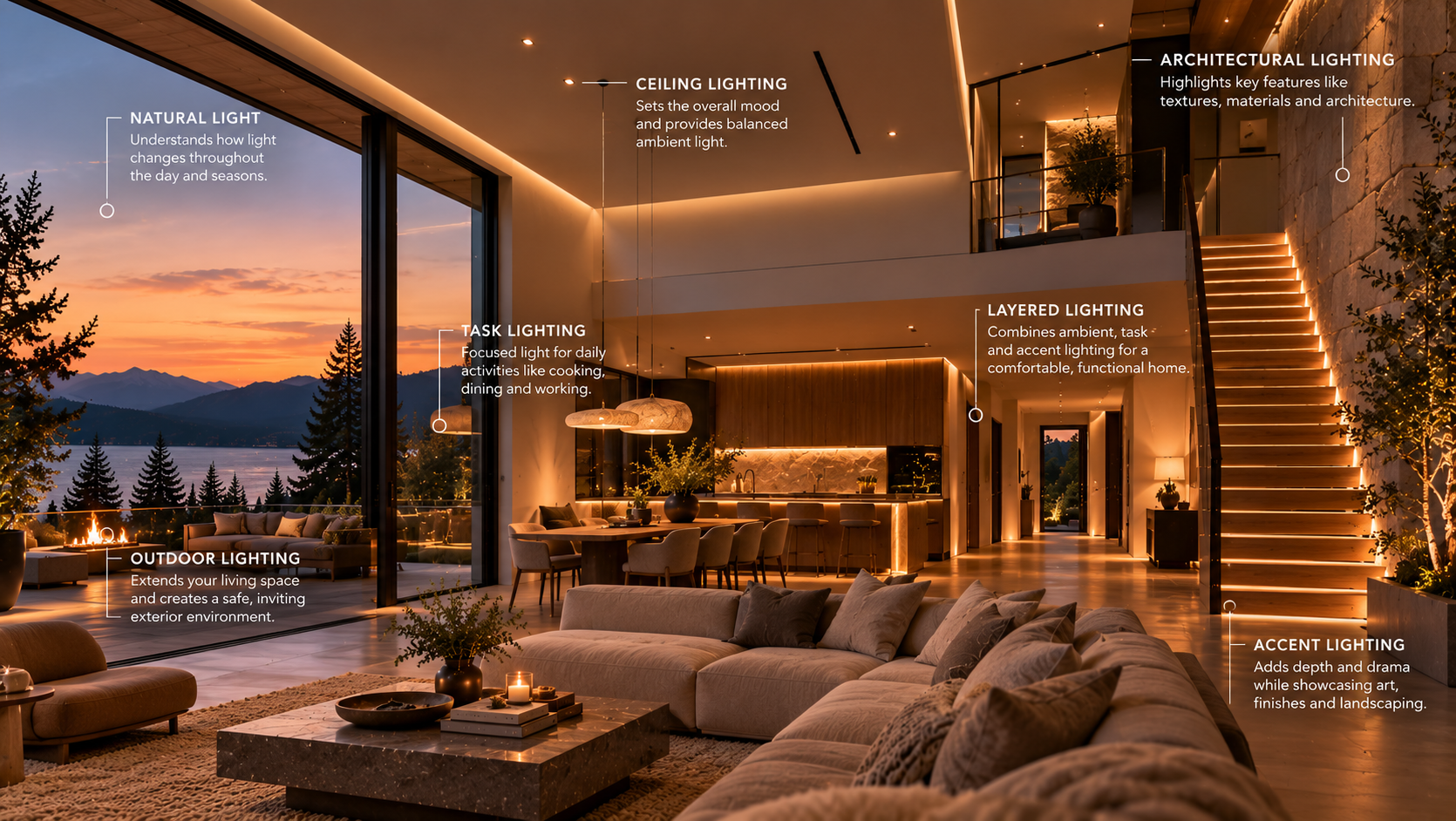
Technology is likely to become increasingly invisible. Early smart homes often advertised their intelligence through touchscreens, control panels and a collection of apps. The next generation of residential technology will be most successful when homeowners barely have to think about it. Lighting, climate, shading, security and entertainment systems can operate quietly in the background, integrated into the architecture instead of competing with it. Having 15 ways to control your home isn't necessarily luxurious. Not having to think about controlling it may be.
Acoustic comfort is another area we expect to receive greater attention. Sound travels easily through large open-plan interiors, between floors and around poorly isolated mechanical systems. As homeowners become more aware of the effect acoustics have on comfort, wall assemblies, doors, insulation, mechanical equipment and room placement will increasingly be considered part of luxury design. A quiet house creates a sense of calm that is difficult to photograph but immediately noticeable when experienced.
Climate resilience will also influence what high-end construction means. Homes will need to remain comfortable through hotter summers, periods of heavy rainfall and changing environmental conditions. High-performance building envelopes, intelligent shading, drainage strategies, efficient mechanical systems and durable materials may become just as important to luxury buyers as stone and cabinetry.
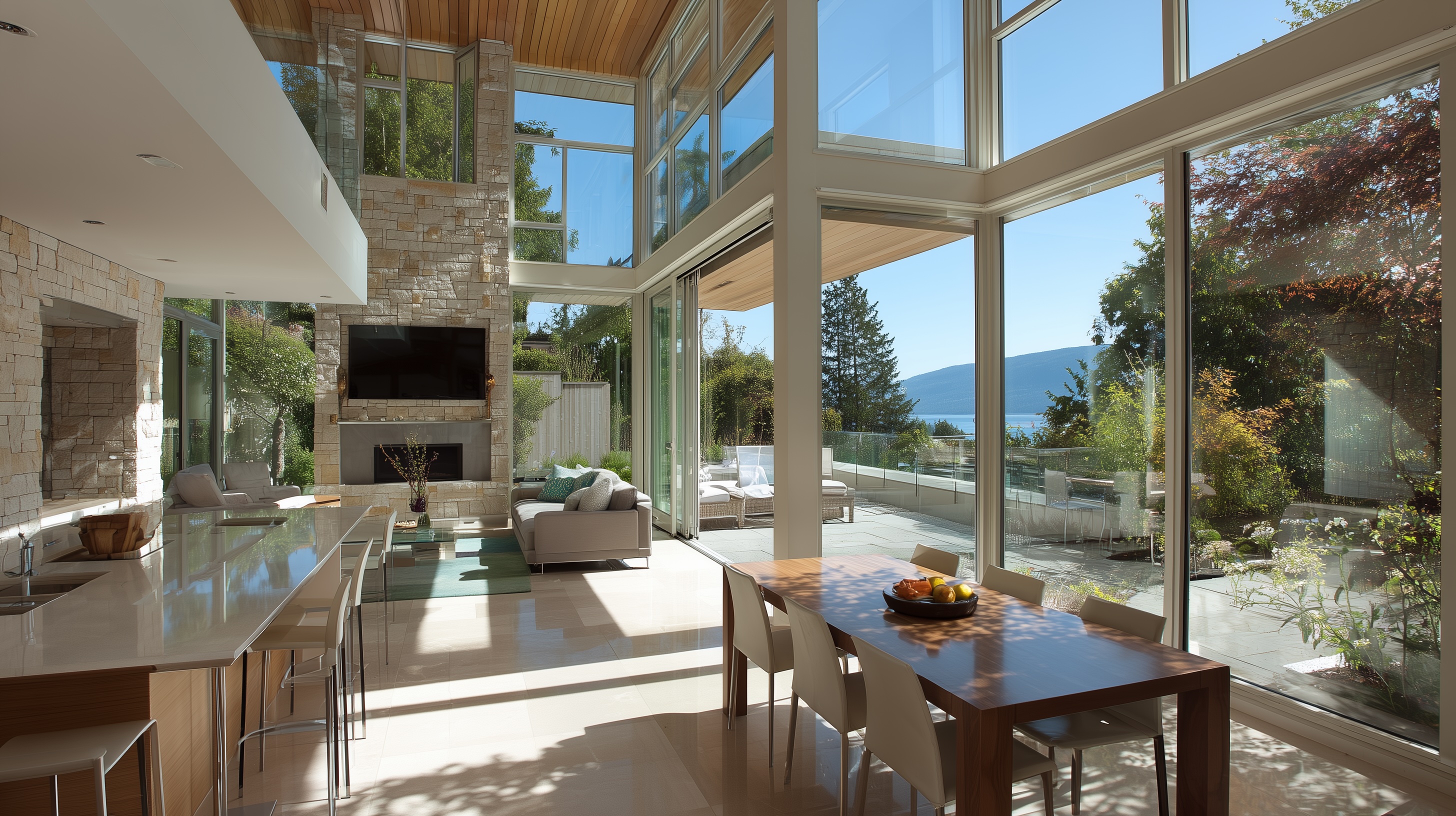
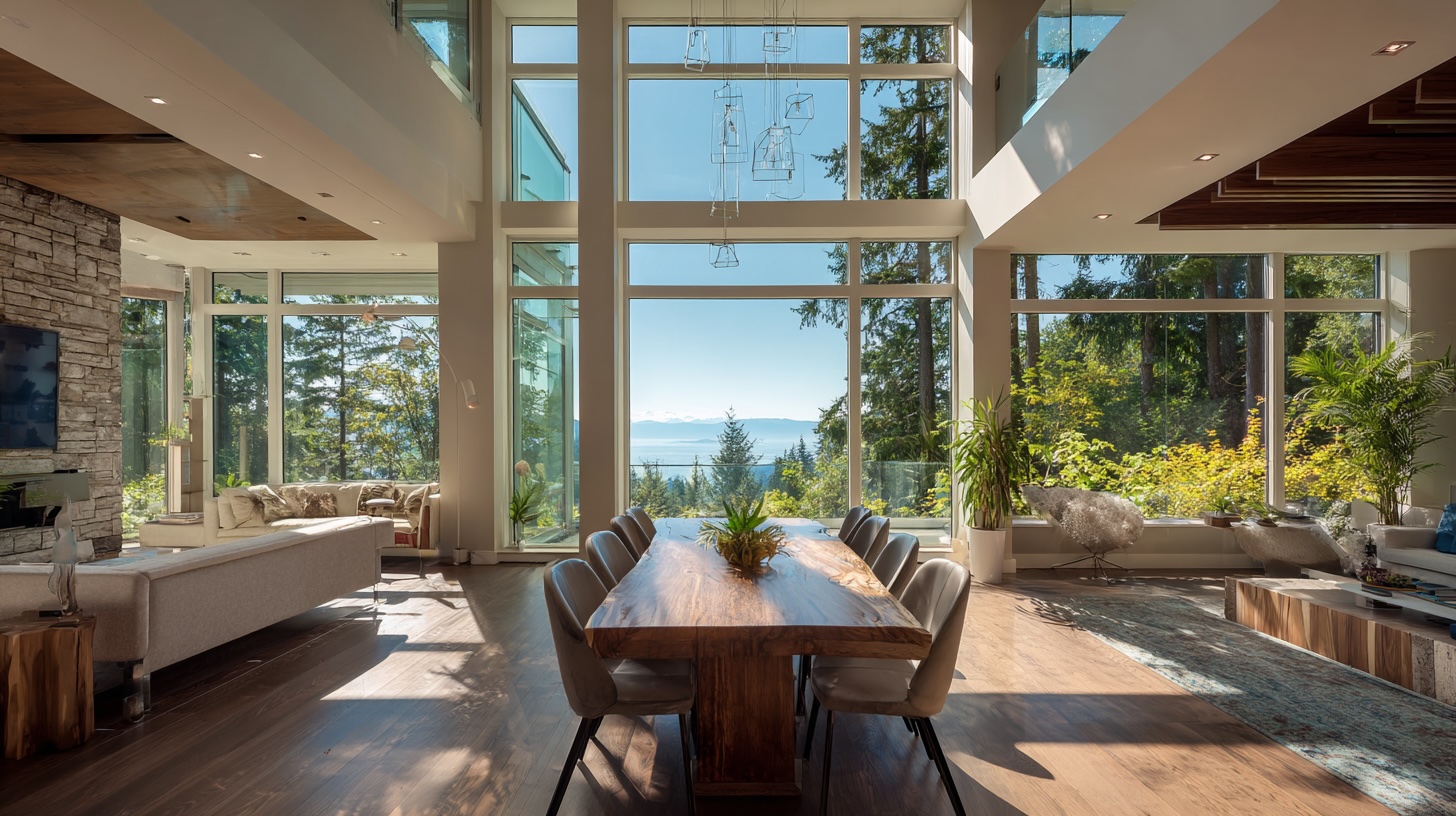
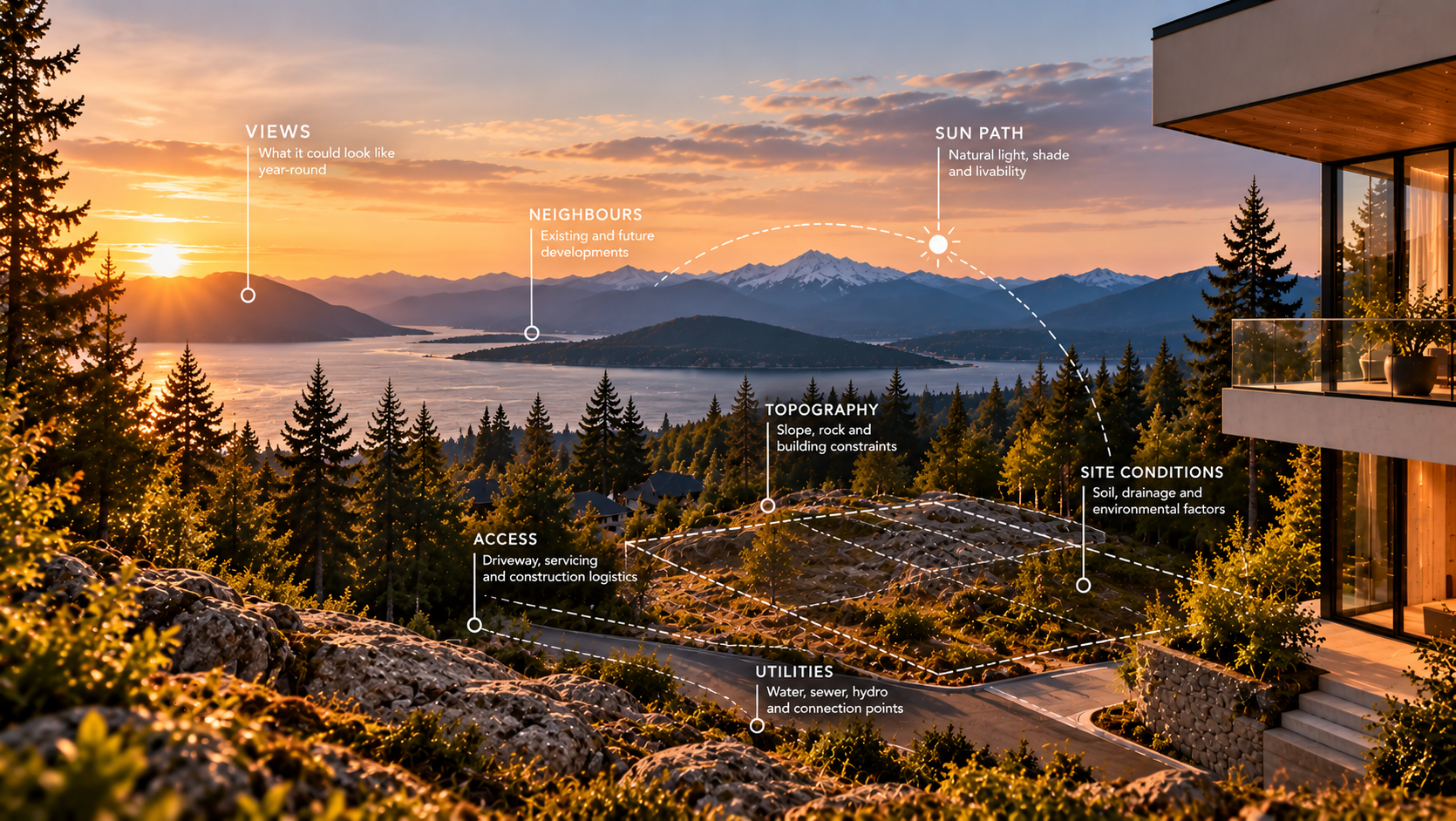
Interestingly, some of the smartest technology in these homes won't be technology at all. Proper building orientation, natural ventilation, exterior shading and effective daylighting are architectural strategies that can improve comfort without software, screens or equipment that eventually becomes obsolete. Designing the building itself to perform intelligently gives mechanical and technological systems a better foundation to work from.
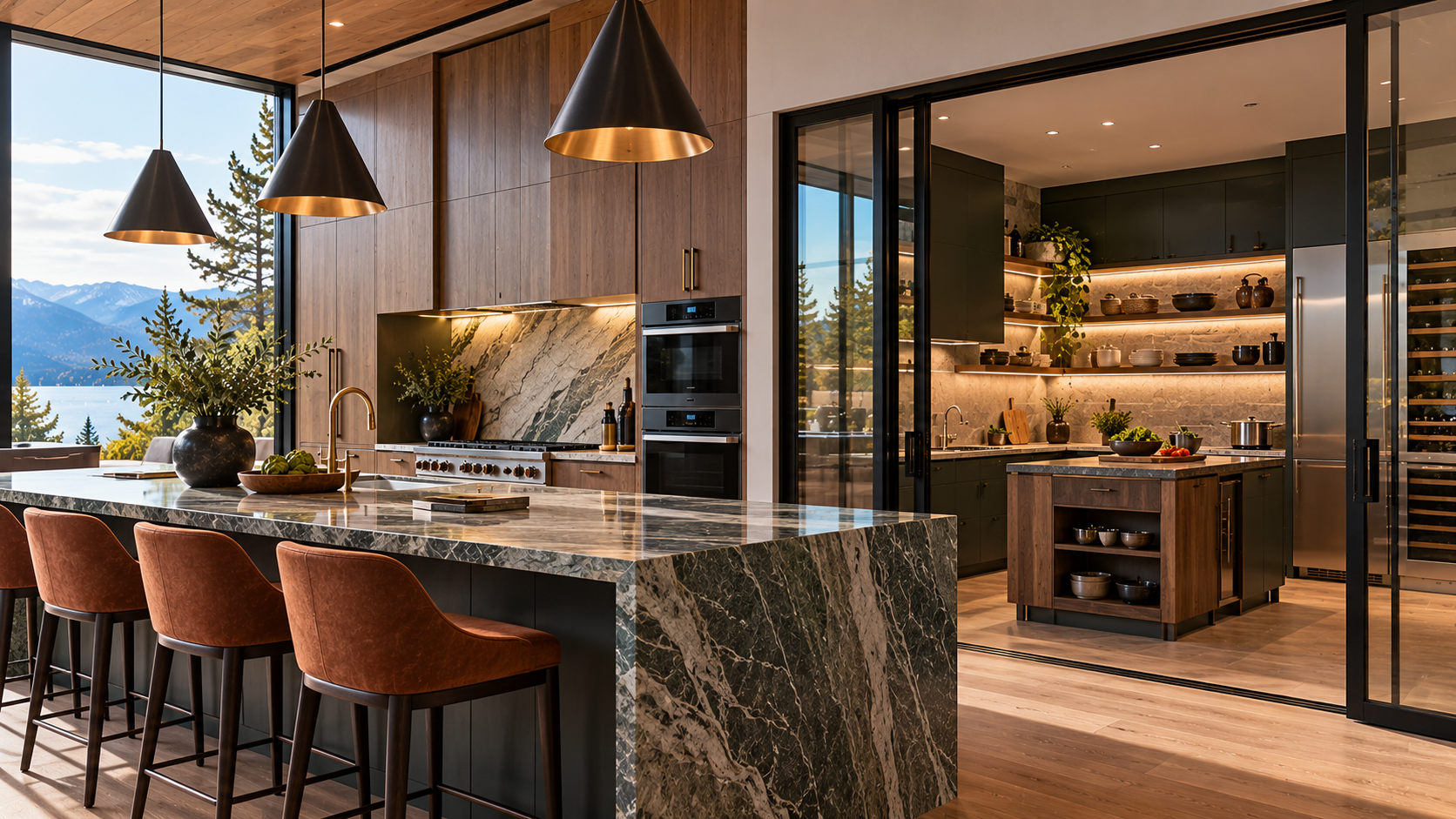
We're also seeing considerably more attention being paid to the supporting spaces of the home. Back kitchens, mudrooms, laundry rooms, walk-in pantries, package-storage areas, pet-washing stations and carefully planned mechanical rooms aren't traditionally the spaces featured on magazine covers. Yet these rooms are responsible for allowing the visible areas of the home to remain organized and effortless. Future luxury will increasingly be measured by how well the entire house functions, not simply how impressive the main rooms appear.
Adaptability will matter for similar reasons. Homeowners are thinking further ahead about whether their houses can accommodate aging parents, returning adult children, home offices or changing mobility. Flexible rooms, main-floor living options and provisions for future elevators can allow a house to respond to different stages of life without requiring a complete redesign.
At the same time, craftsmanship will continue to outlast decoration. Social media trends can move faster than a custom home can be designed, permitted and built. Beautiful millwork, carefully installed stone, well-proportioned rooms, thoughtful transitions and natural materials don't rely on a particular algorithm for relevance. They simply continue to feel good.
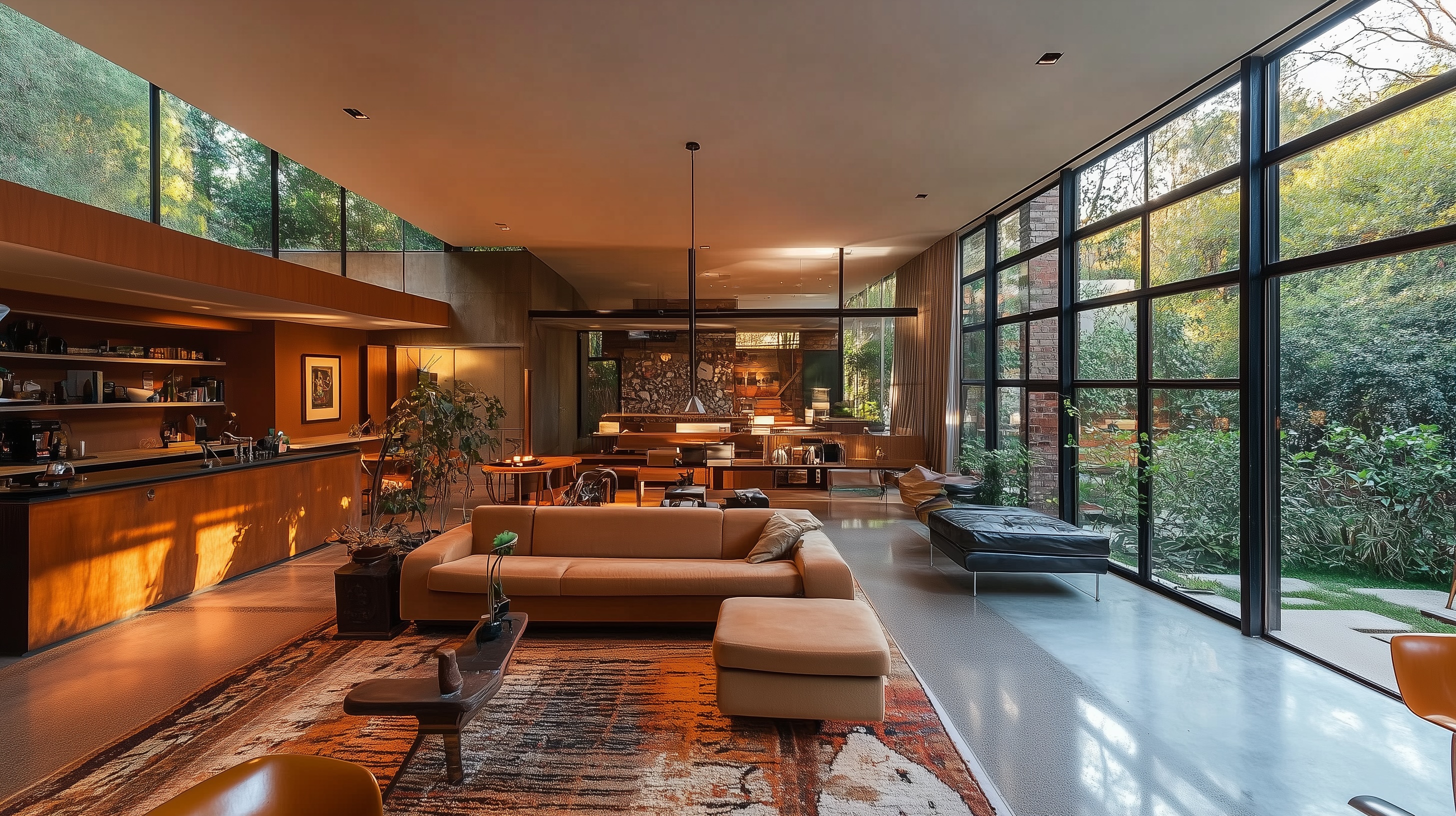
Perhaps the biggest shift, however, will be toward homes that feel personal again. After years of seeing the same inspiration images circulate online, homeowners are increasingly interested in spaces that reflect their own art, culture, travel, routines, collections and personalities. A custom home should not feel like a perfect reproduction of someone else's Pinterest board.
By 2030, the homes that feel most luxurious may not necessarily be the ones containing the most expensive objects. They will be the homes where everything seems to work. The temperature is comfortable. The rooms are quiet. Storage exists where it's needed. Technology works without demanding attention. Natural light arrives in the right places. Materials age gracefully. The floor plan adapts as life changes, and the architecture feels connected to both its owners and its site.
You may not be able to point to one feature and say, "That's what makes this house luxurious." And perhaps that's the point. The next era of luxury won't simply be about what a home shows you. It will be about what the home quietly does for you.