

The $50,000 Change Order That Started as a Five-Minute Decision
The $50,000 Change Order That Started as a Five-Minute Decision

"Can we just move that window?"
It's an innocent question and, depending on when it's asked, the answer may genuinely be yes. But at another stage of the project, that same five-minute conversation can affect the architect, structural engineer, supplier, electrician, framing crew, building envelope, interior finishes and construction schedule. What looks like a small change to a homeowner can become a surprisingly large change to the project.
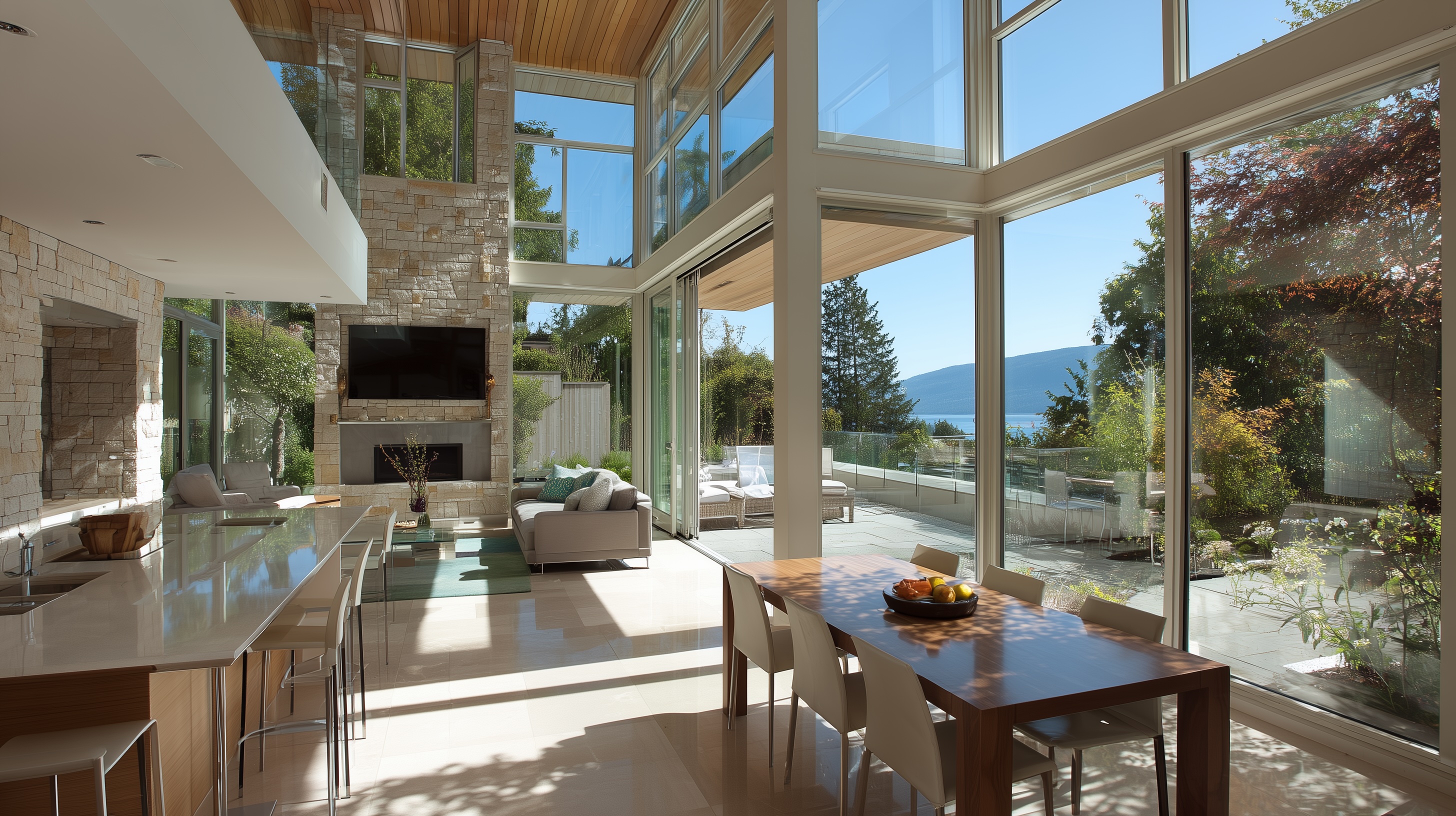
Imagine that construction is underway and a homeowner decides a large window would look better several feet to the left. Visually, the request seems simple. Behind the wall, however, there may be structural elements, electrical wiring, plumbing or mechanical components. The exterior cladding and waterproofing may already have been detailed around the original opening. Interior millwork may have been designed in relation to it. Most importantly, the window itself may have been ordered months earlier.
Suddenly, the project isn't simply moving a window. Architectural drawings may need to change. Structural engineering may need to be reviewed. A custom window order could need modification or replacement. Framing already installed may need to be removed and rebuilt. Electrical work could move, and exterior detailing may need to be redesigned. Each individual adjustment has the potential to affect labour, materials and time.
Timing is what makes construction changes particularly interesting. Moving that same window during conceptual design may involve little more than updating a drawing. Moving it after architectural documentation is complete requires additional coordination. Moving it after engineering or permitting can have further implications. Moving it after materials have been ordered and construction has started can become considerably more expensive.
This is why pre-construction can feel surprisingly detailed. Clients may wonder why they're being asked about appliance models, television locations, shower controls, motorized blinds or furniture placement months before those items will appear in the house. The reason is that construction decisions are interconnected. One answer often provides information another consultant or trade needs to complete their work.
None of this means homeowners should be afraid to make changes. Custom homes evolve, and seeing a space physically take shape can naturally create new ideas. A good project team should have a clear process for evaluating those changes rather than automatically discouraging them.
Before proceeding, the homeowner should understand what is changing, what it will cost, which parts of the project it affects and whether it changes the schedule. With that information, a change becomes an informed decision rather than an unpleasant surprise.
In construction, the size of the idea isn't always proportional to the size of its impact. Sometimes a five-minute decision really can become a $50,000 conversation.