The House Is Beautiful. But Is It Comfortable? Why Building Performance Is the New Luxury
The House Is Beautiful. But Is It Comfortable? Why Building Performance Is the New Luxury

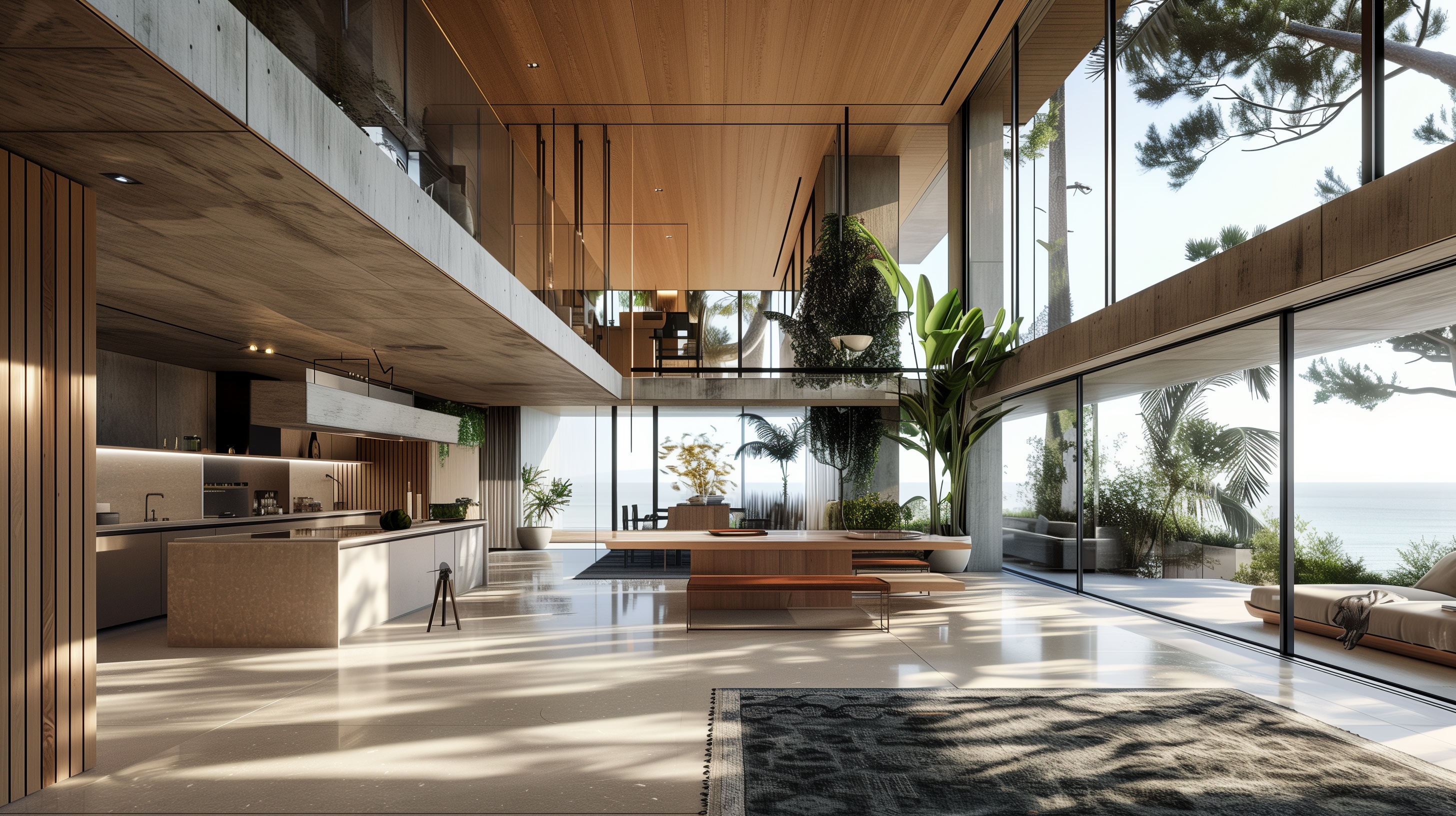
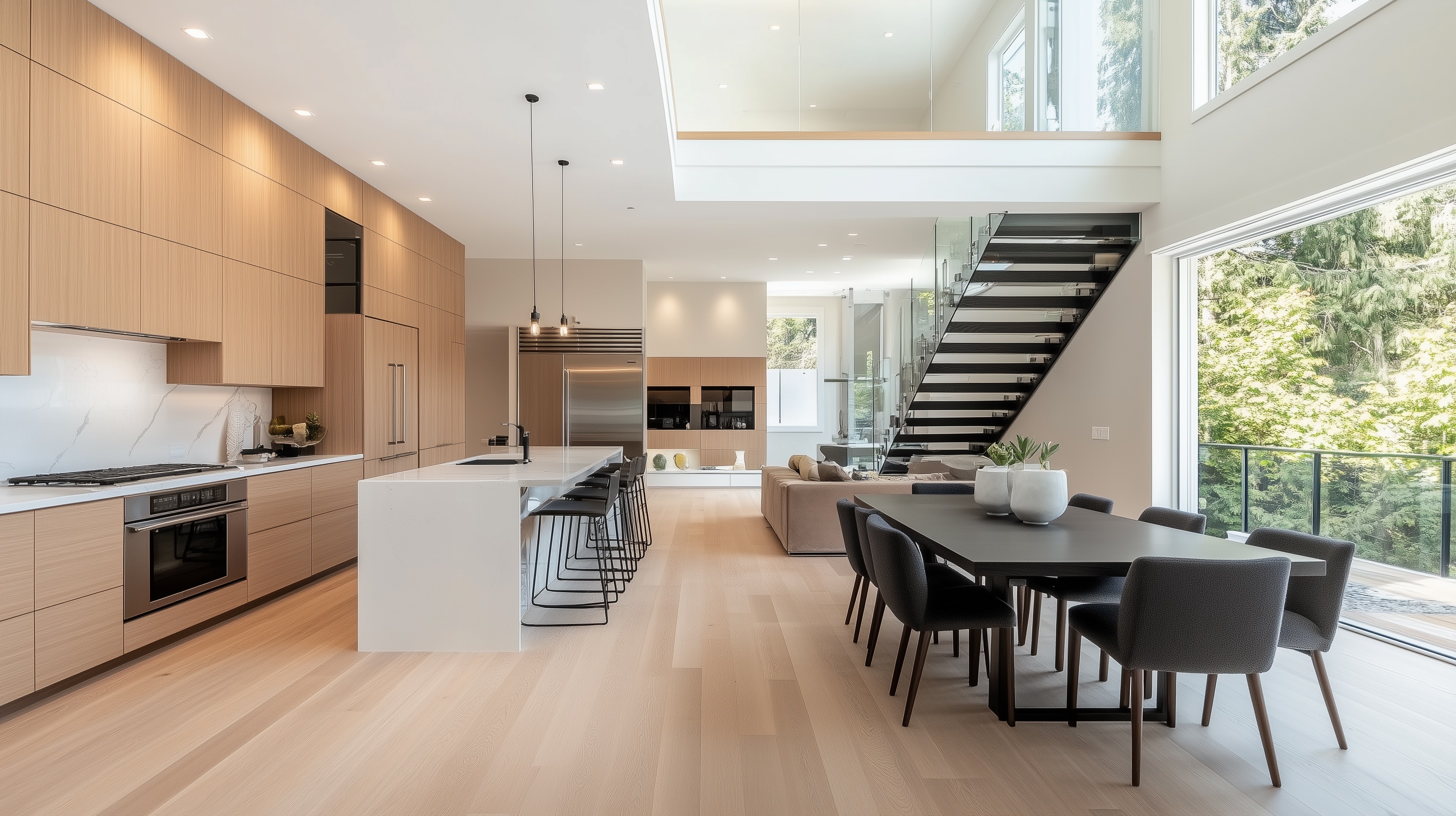
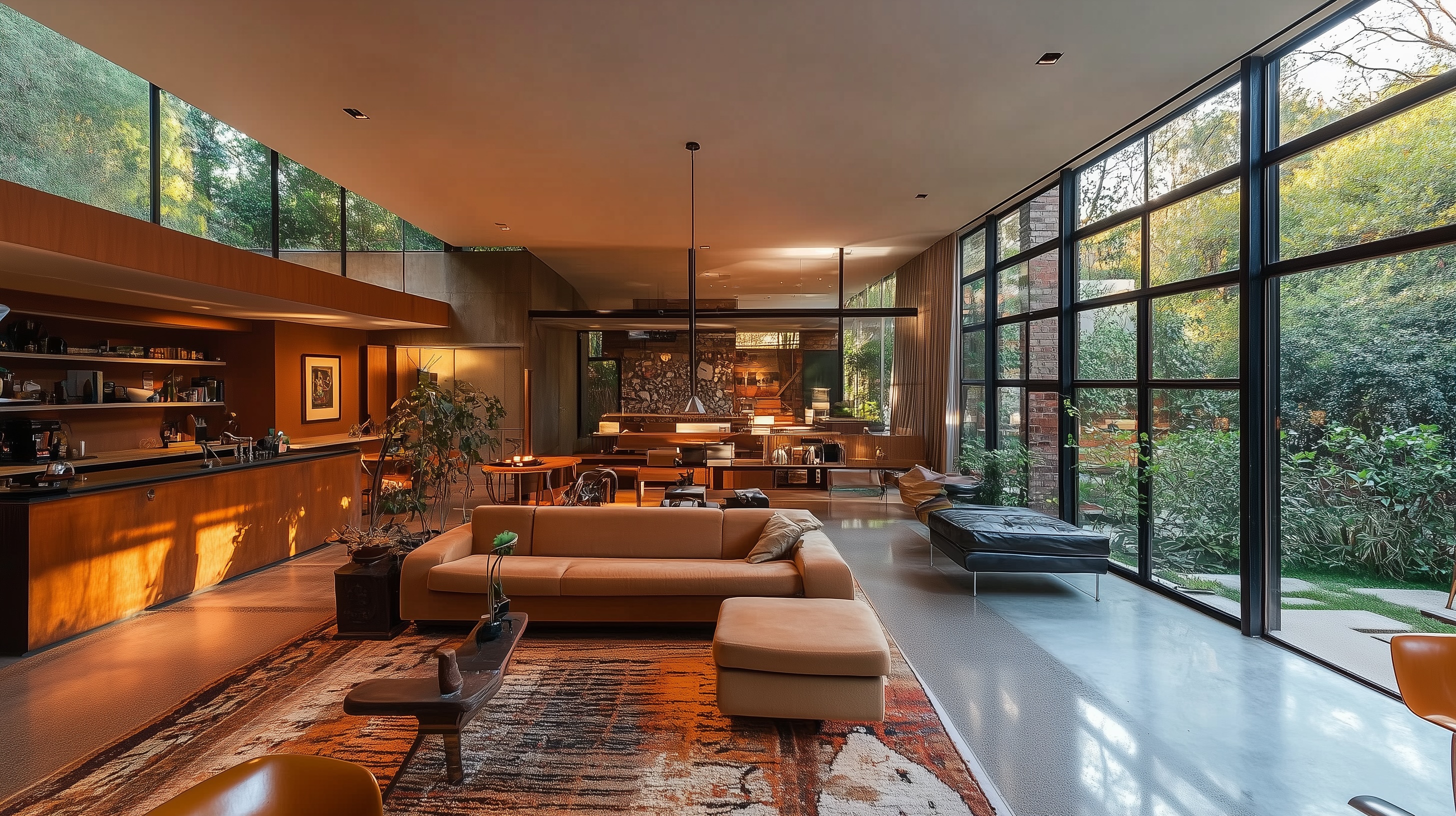
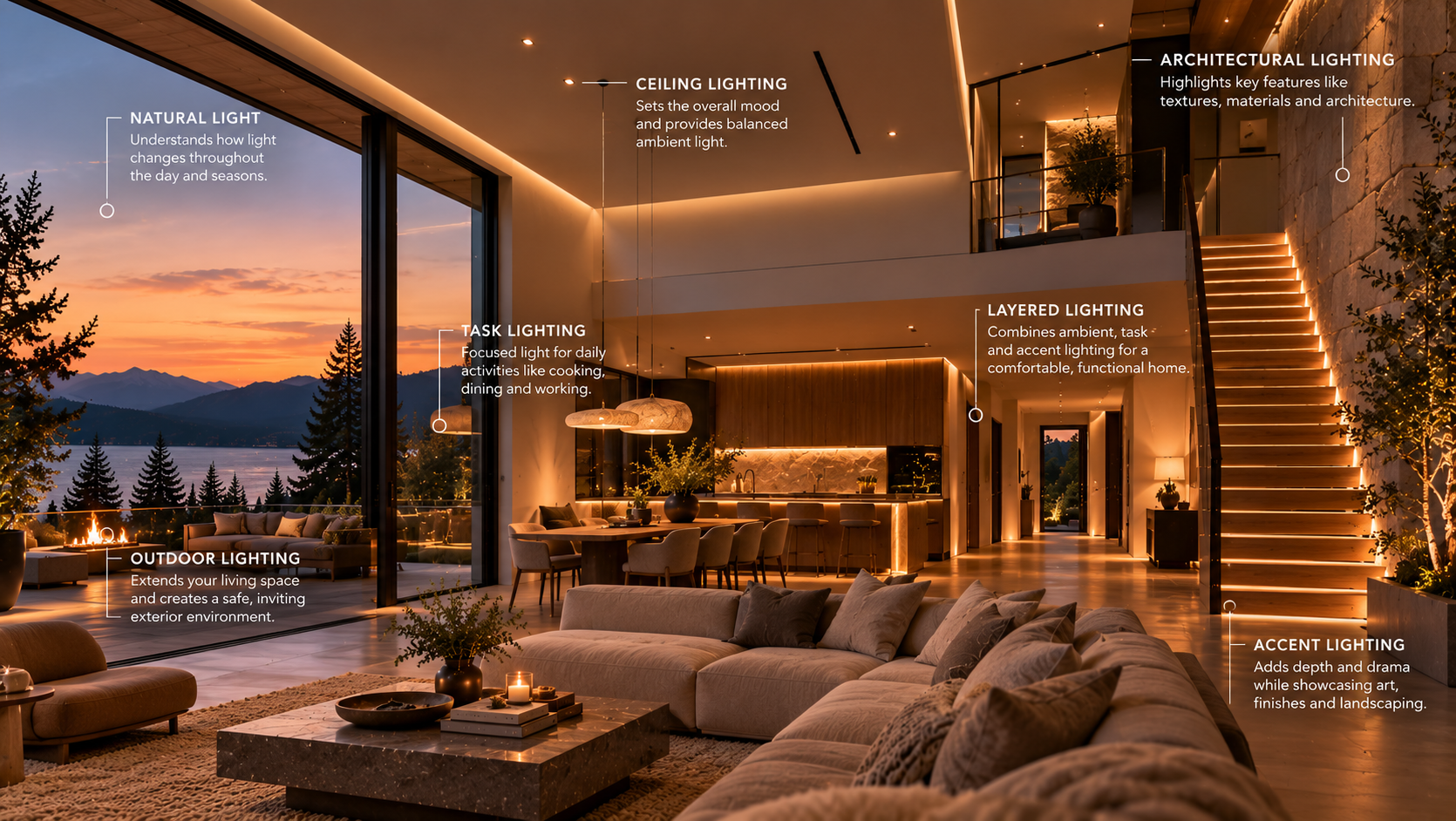
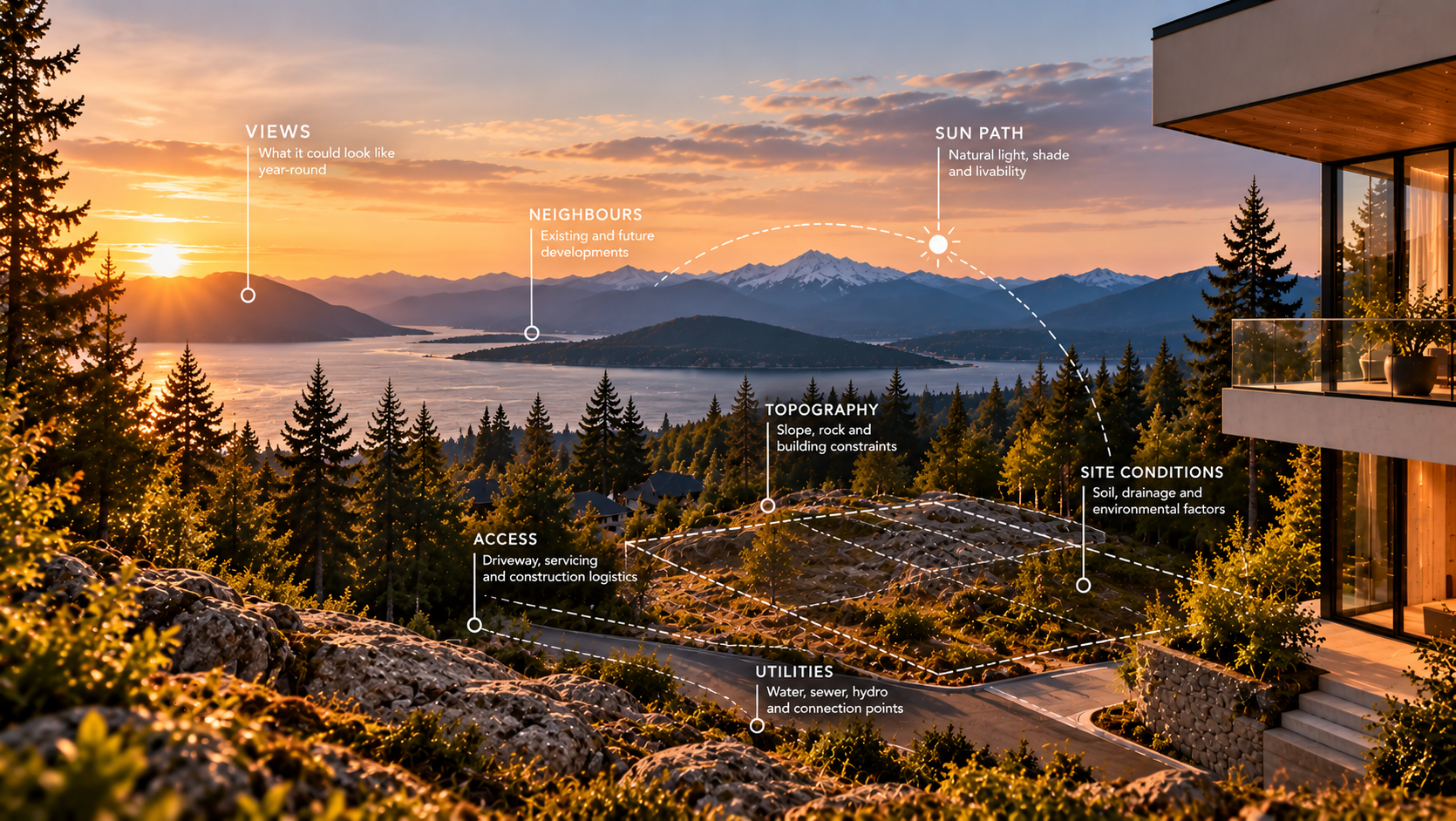
Luxury homes have traditionally been defined by what we can see. Natural stone, custom millwork, premium appliances, expansive glazing and carefully curated interiors are all immediately noticeable when you walk into a home. But some of the most important characteristics of a well-built custom home aren't visible at all. They're experienced. The temperature feels consistent from room to room, the air feels fresh, outside noise stays outside, mechanical equipment operates quietly, and you can sit beside a large window in the middle of winter without feeling a cold draft.
As custom residential construction continues to evolve, building performance is becoming an increasingly important part of what luxury actually means. A beautiful home should certainly look exceptional, but when you're investing in a custom build, the experience of living in it matters just as much as the materials you can see.
Comfort Begins With the Building Envelope
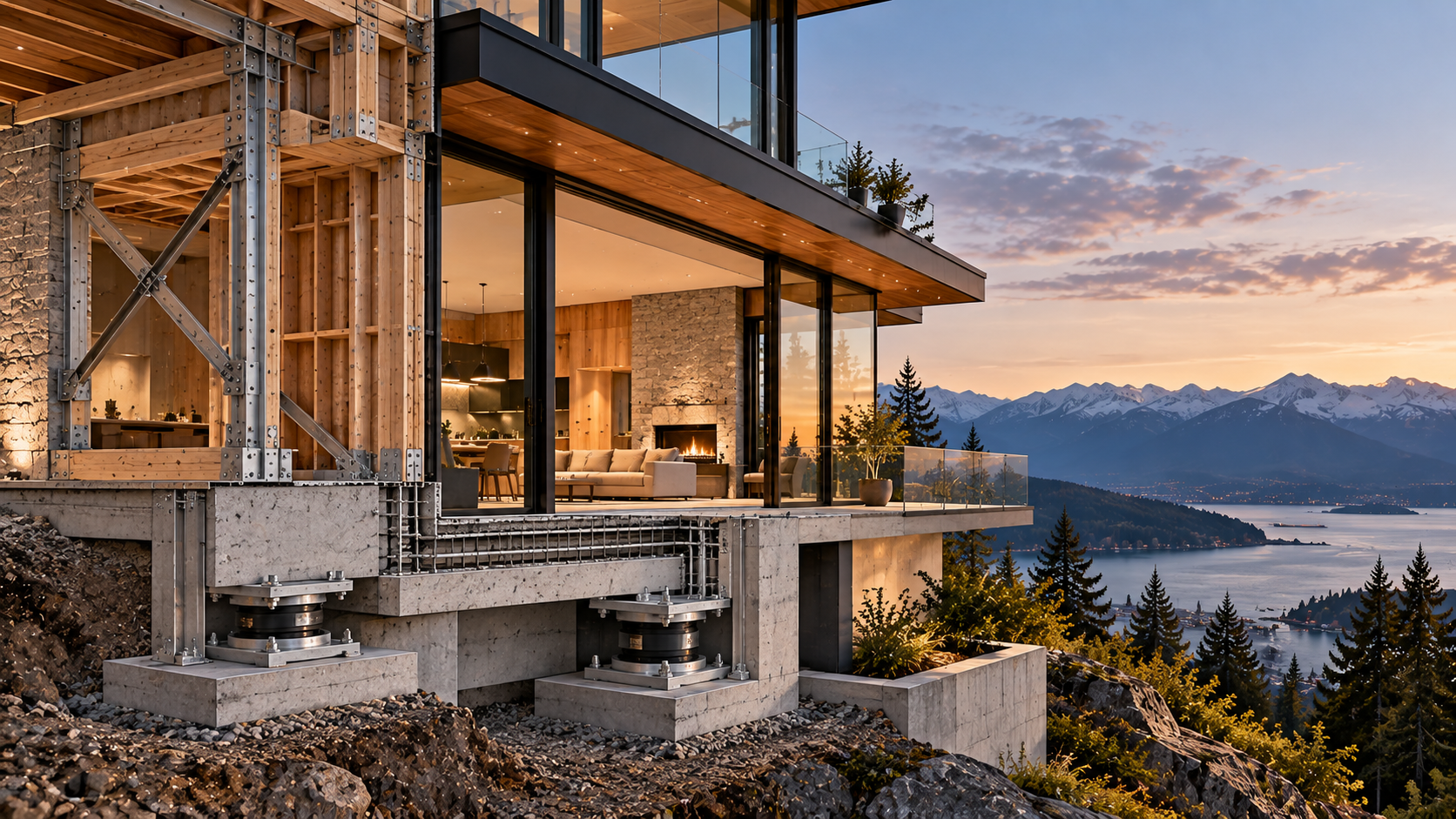
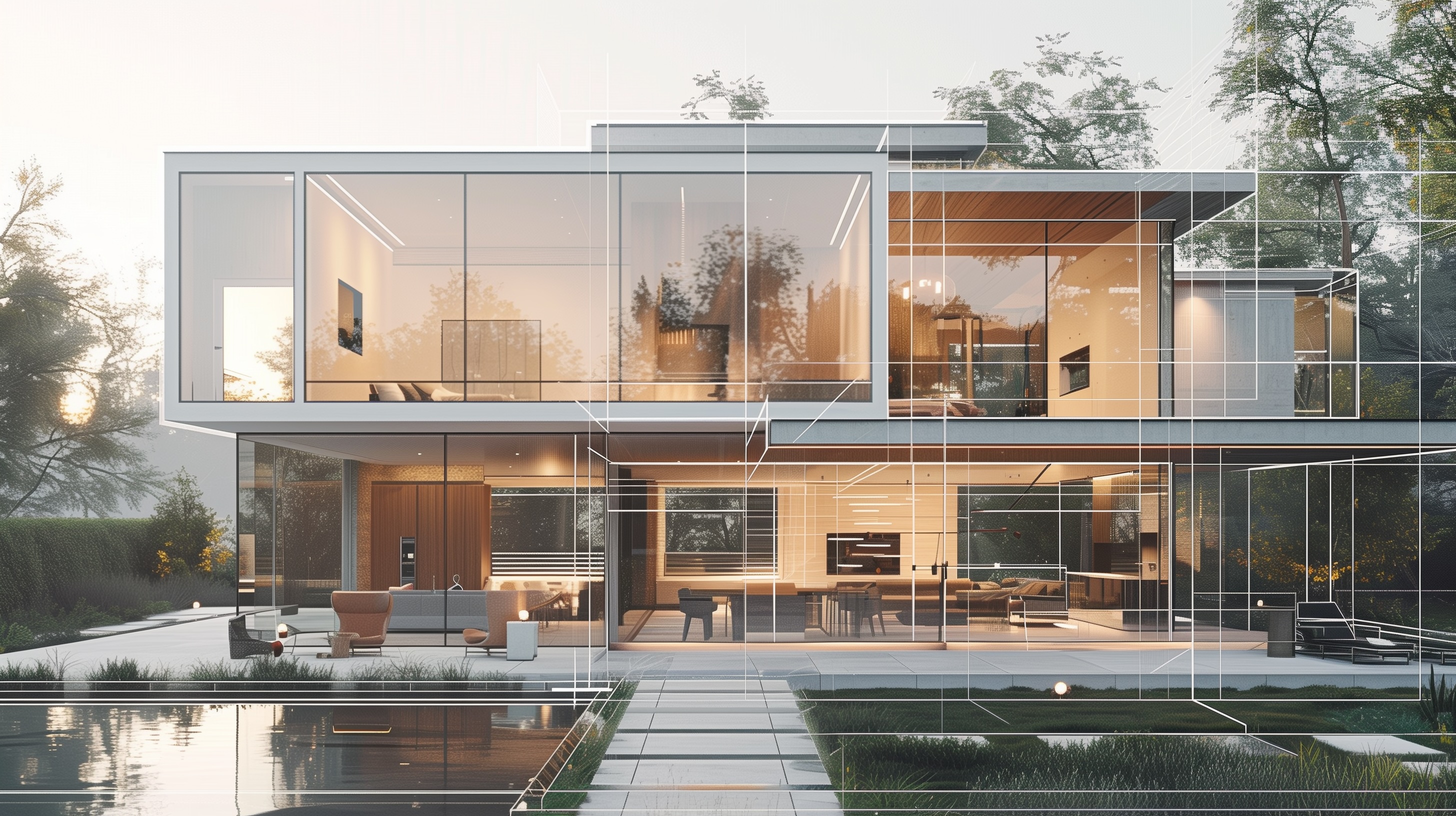
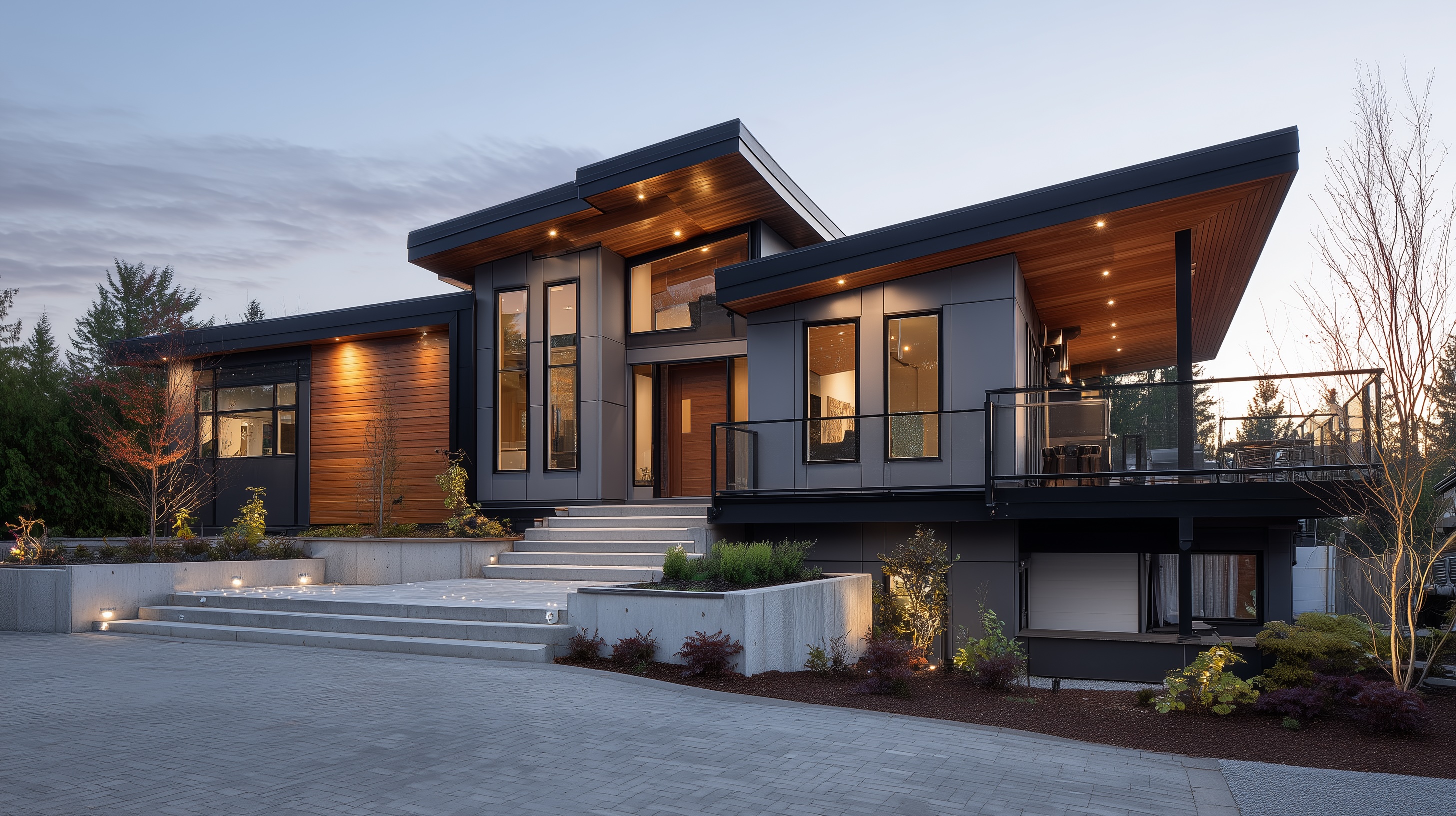
The building envelope is essentially the physical separation between the conditioned interior of the home and the environment outside. It includes exterior walls, the roof, foundation assemblies, windows, doors, insulation and the various air and moisture-control layers within those assemblies. When these components are designed and constructed to work together, the home becomes easier to heat, cool and keep comfortable throughout the year.
This is one reason two houses with similar heating and cooling systems can feel completely different. If one home loses heat through poorly performing areas in winter or gains excessive solar heat through its windows during summer, the mechanical system is constantly being asked to compensate. A well-performing building envelope reduces those demands before the heating or cooling equipment even turns on.
Performance also can't be attributed to one premium product. Installing expensive windows doesn't automatically create a high-performance home if the transitions around those windows aren't properly detailed. Similarly, adding more insulation doesn't solve every comfort problem if uncontrolled air leakage is occurring elsewhere. The entire assembly needs to function as a coordinated system.
Airtightness Has a Major Impact on Comfort
Air leakage is one of those construction topics homeowners rarely think about until they experience its effects. Uncontrolled movement of air through a building can create drafts, contribute to inconsistent temperatures and potentially carry moisture into places where it doesn't belong. This is why detailing around windows, doors, penetrations and transitions in the building envelope is so important.
The challenge is that much of this work disappears as construction progresses. Once drywall, flooring and exterior finishes are installed, homeowners may never see those details again. That doesn't make them less important. In fact, the parts of a home that eventually become invisible are often some of the areas where construction quality matters most.
Airtight construction doesn't mean creating a house that can't breathe. It means controlling where air enters and leaves rather than allowing it to happen unpredictably through gaps in the building. Once that uncontrolled leakage is reduced, ventilation can be handled intentionally.
Fresh Air Should Be Designed Into the Home
Modern homes are increasingly designed to reduce uncontrolled air leakage, which improves energy performance and comfort. As homes become tighter, however, controlled ventilation becomes even more important. Fresh air shouldn't depend entirely on opening windows, particularly during periods of extreme heat, wildfire smoke or cold weather when keeping windows open may not be desirable.
A properly designed ventilation strategy helps remove moisture, odours and stale indoor air while bringing fresh outdoor air into the home in a controlled way. Mechanical designers can coordinate ventilation with heating and cooling systems so that air quality, temperature and efficiency are considered together rather than as separate issues.
This becomes particularly important in larger custom homes where different areas may have very different needs. A south-facing room with large windows can behave differently from a shaded bedroom on another elevation. A kitchen, bathroom, gym or laundry room may have different ventilation requirements from a living room. Good mechanical design responds to those differences rather than assuming every room behaves the same way.
A Quiet House Feels Different
Sound is another part of building performance that doesn't receive nearly as much attention as it deserves. Homeowners may spend months selecting finishes but only discover after moving in that they can hear plumbing through a bedroom wall, footsteps from the floor above or mechanical equipment operating throughout the night.
Acoustic comfort begins with planning. The location of bedrooms relative to mechanical rooms, laundry rooms and entertainment areas can make a difference before specialized acoustic materials are even considered. Wall and floor assemblies, insulation, doors, plumbing routes and equipment selection can then further reduce unwanted sound transmission.
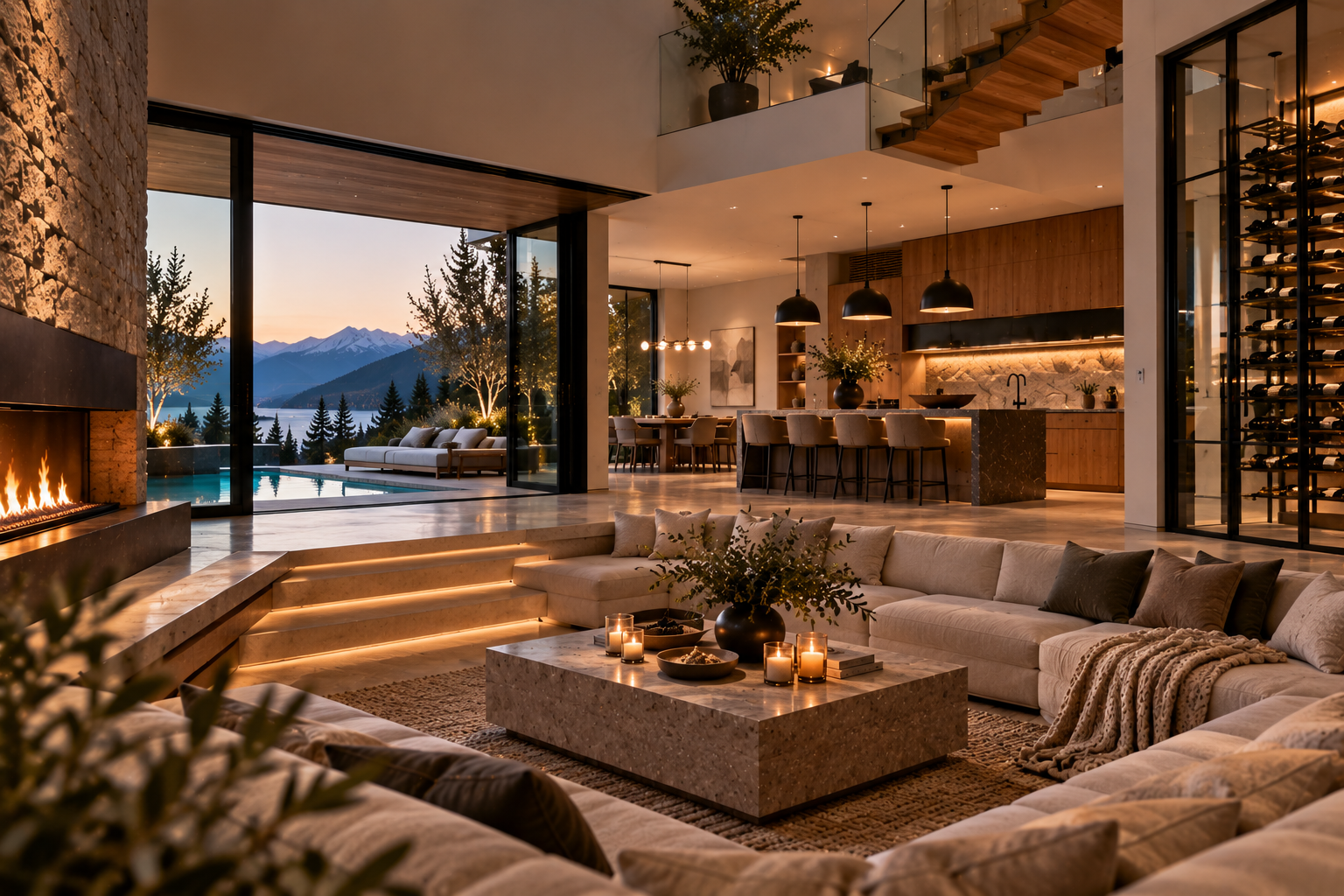
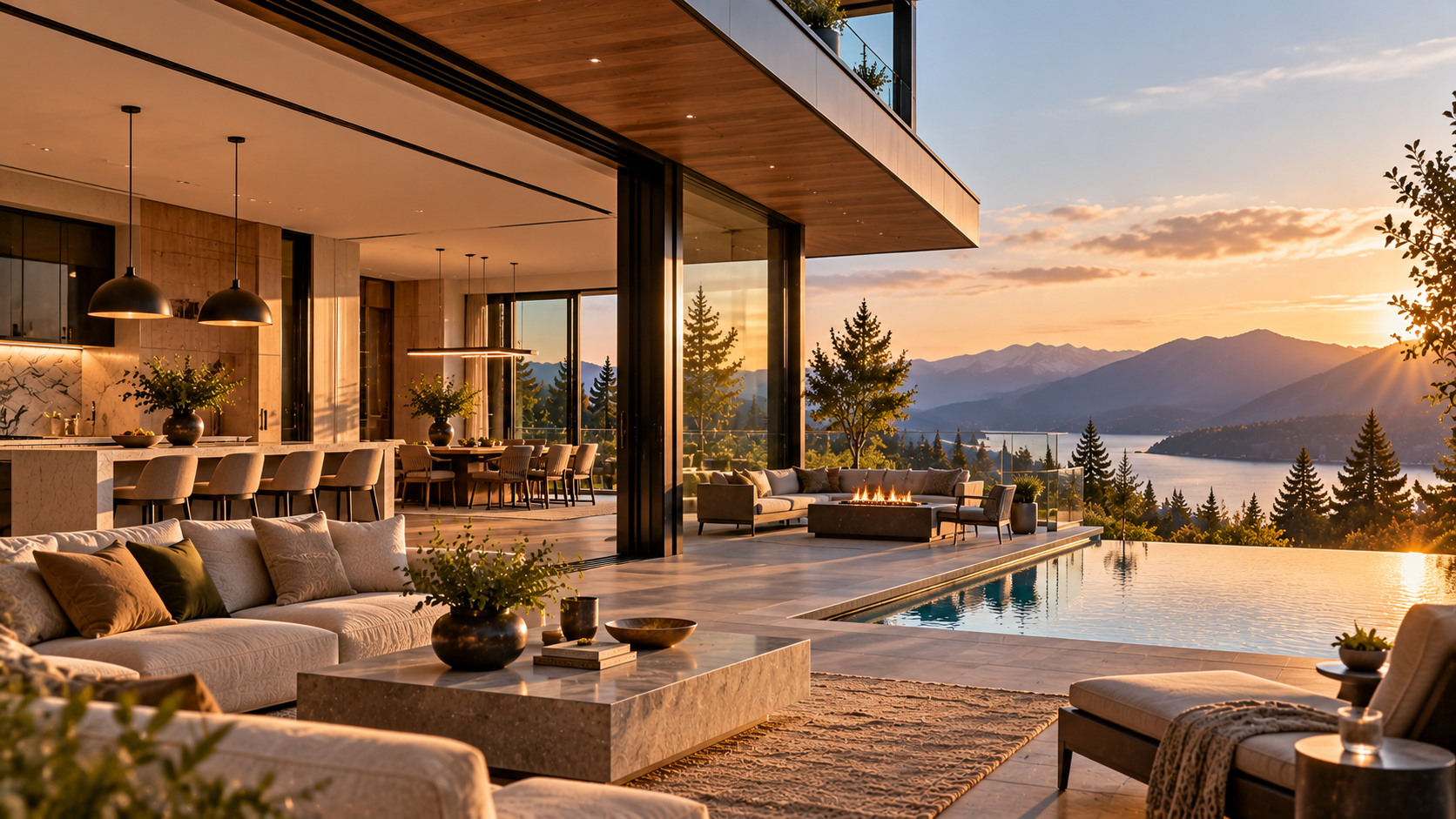
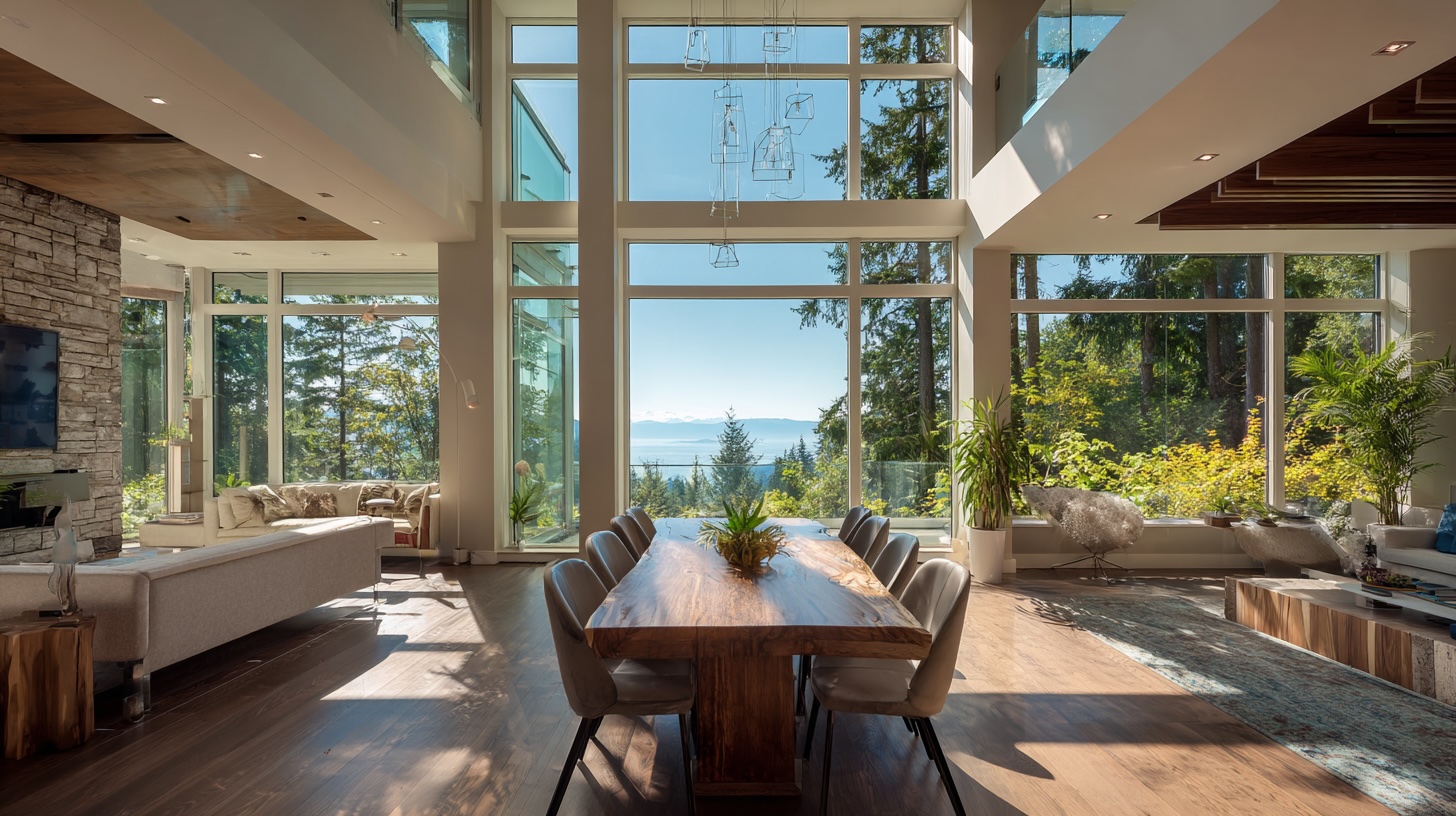
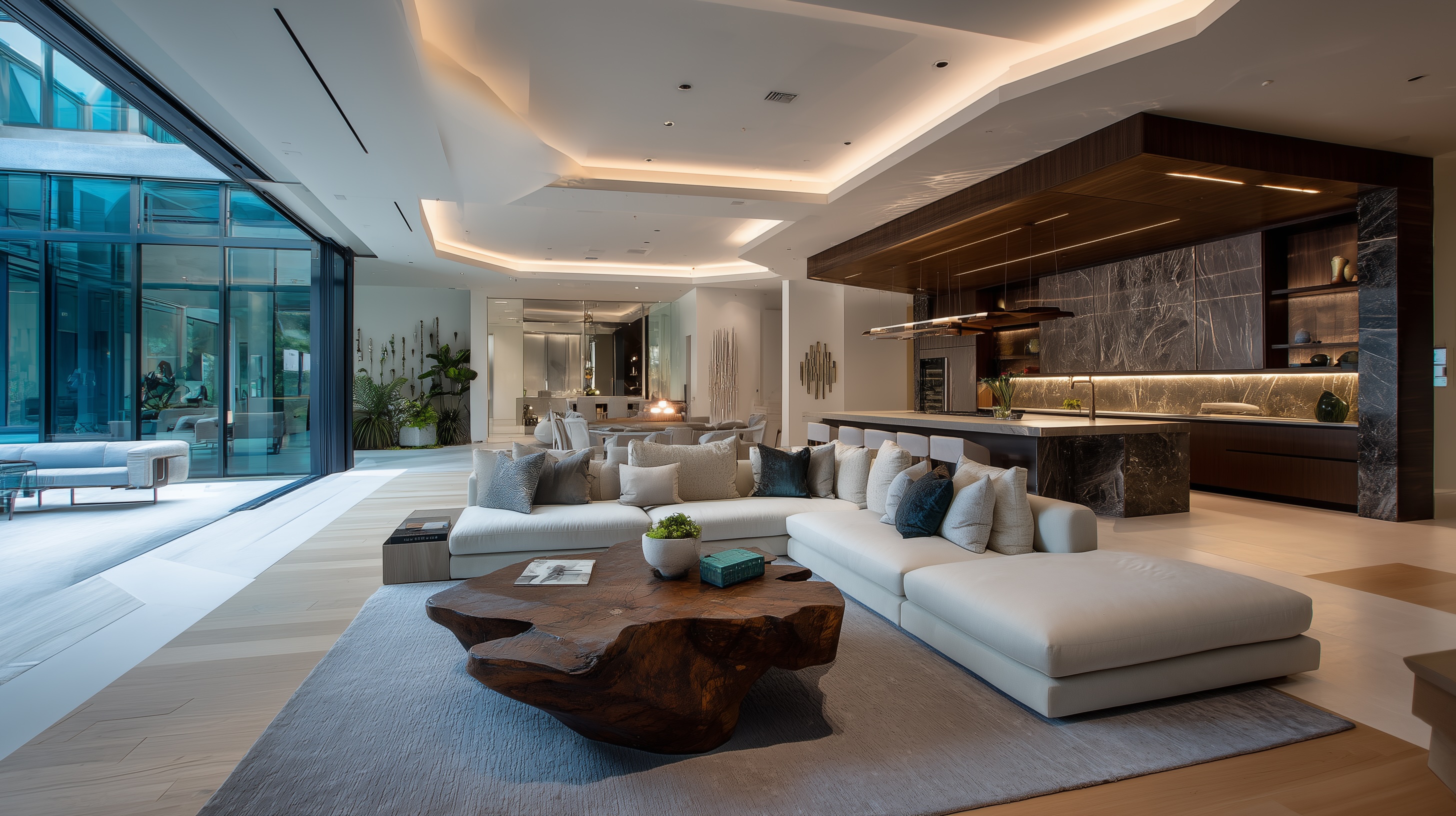
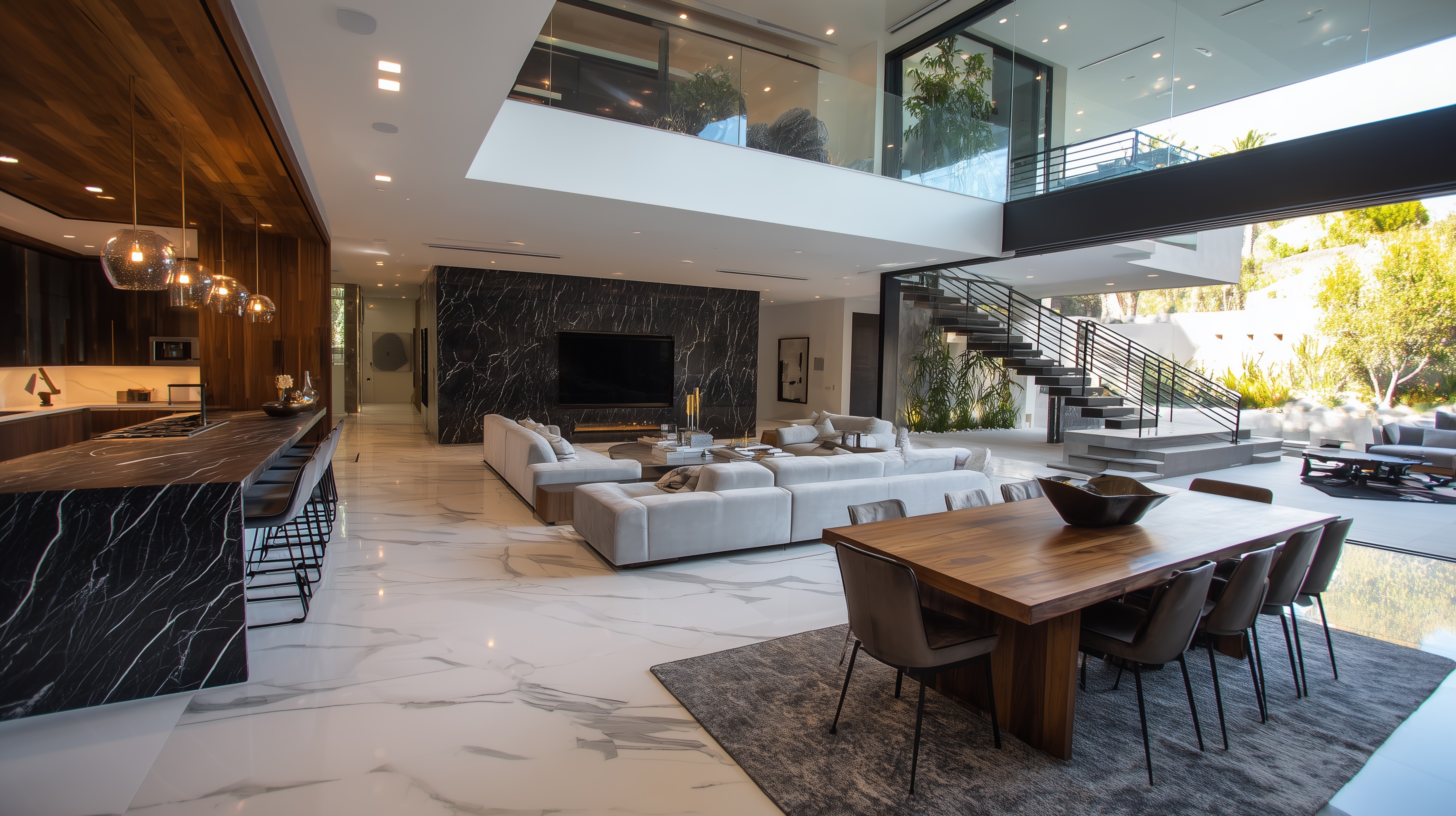
Large open-concept spaces introduce another acoustic challenge because hard surfaces and high ceilings can allow sound to travel and reverberate. Stone, glass and wood may create a beautiful material palette, but the interior design also needs enough softness and acoustic consideration to prevent the room from becoming uncomfortable when several people are talking at once.
The interesting thing about good acoustic design is that homeowners rarely notice it. They simply notice that the house feels peaceful.
Performance Is Difficult to Photograph, but Easy to Experience
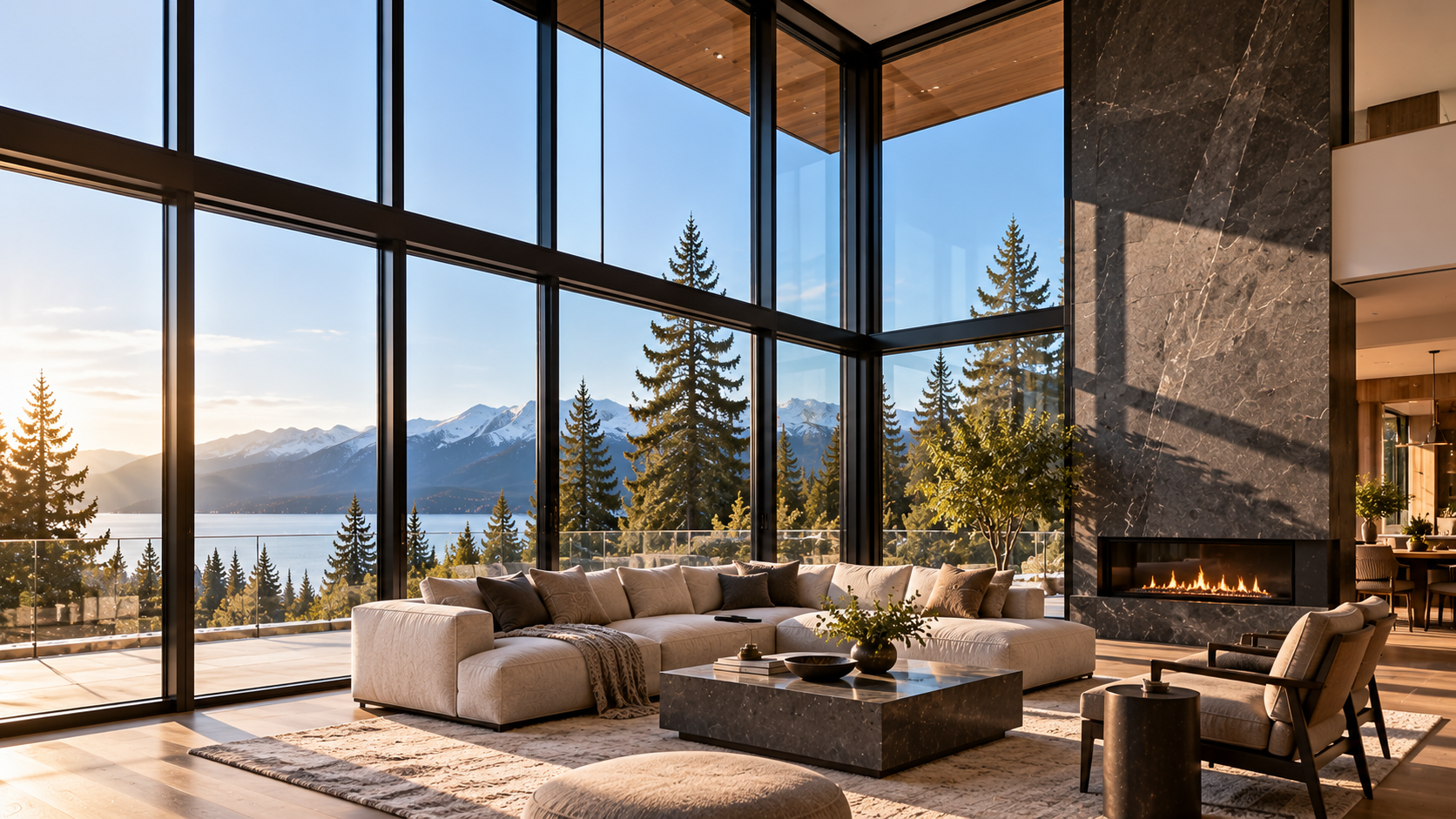
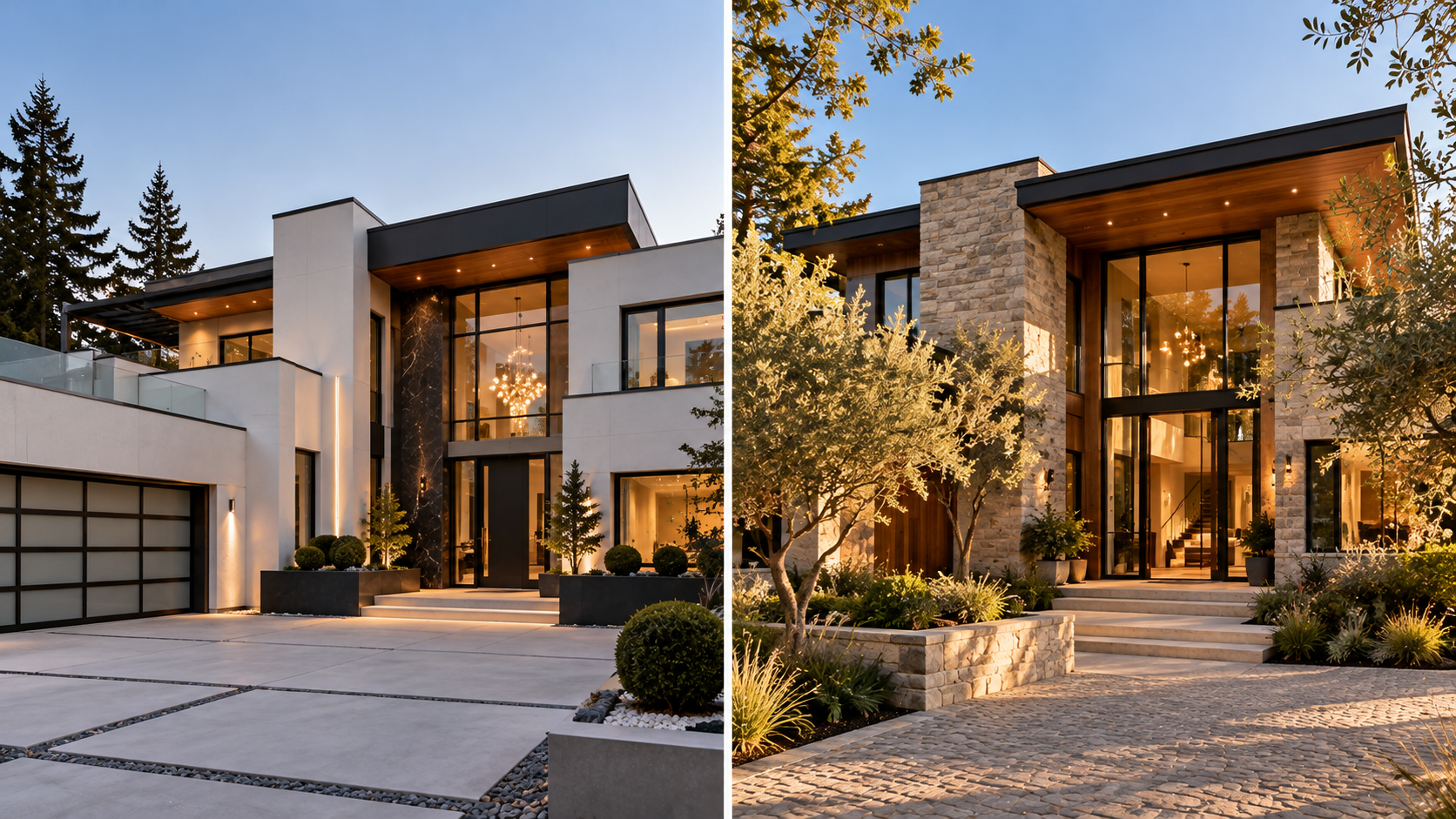
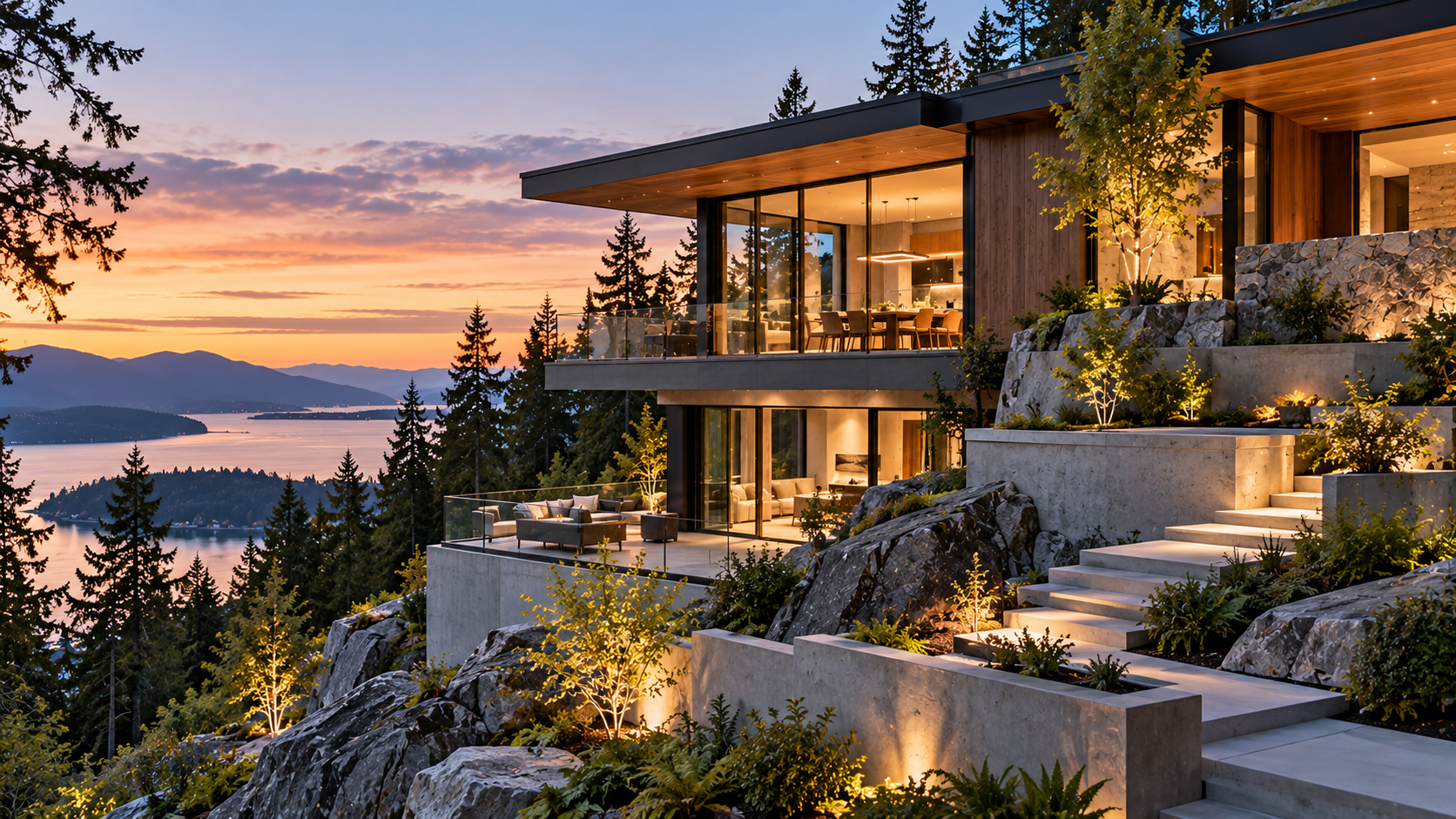
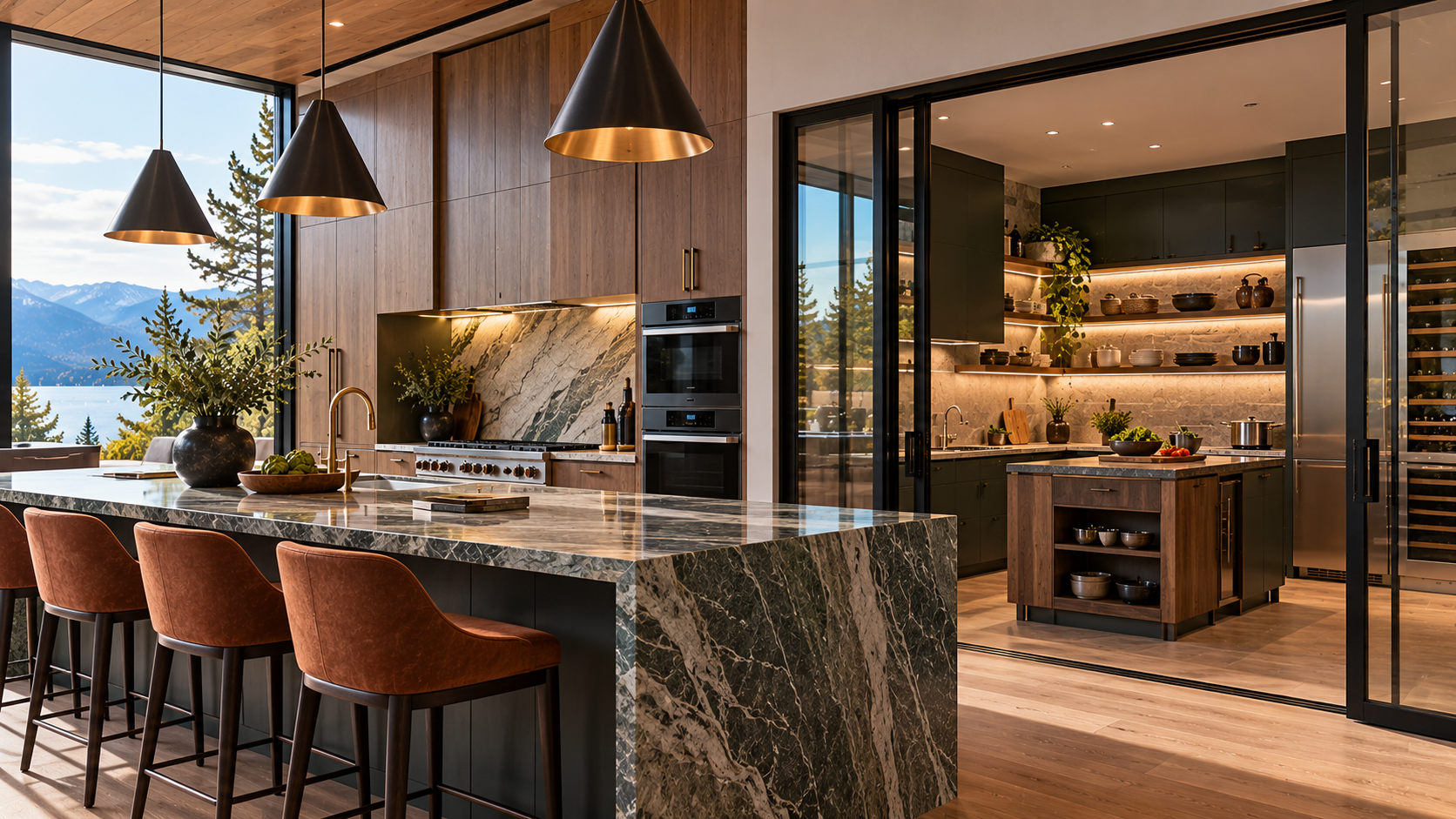
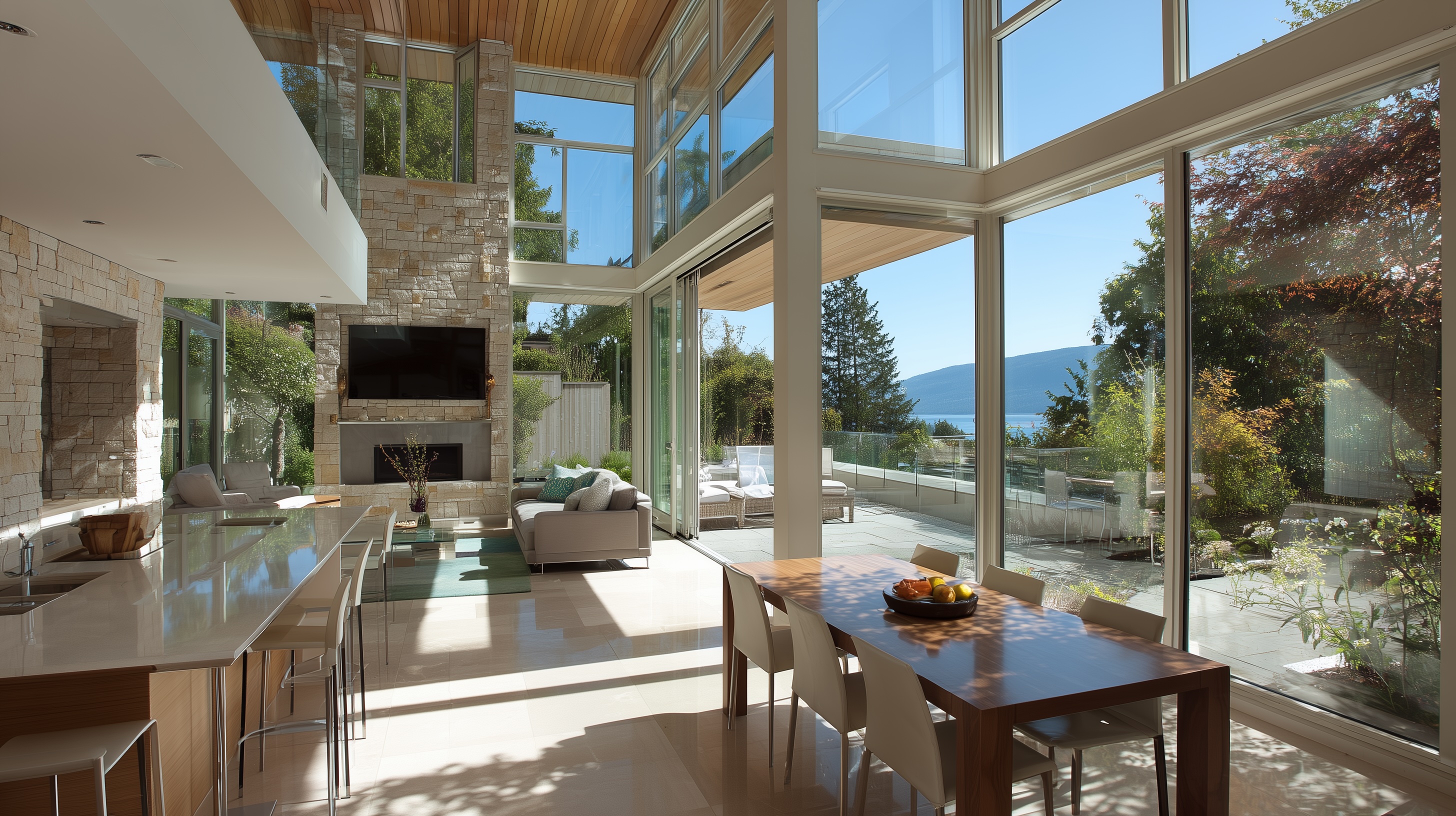
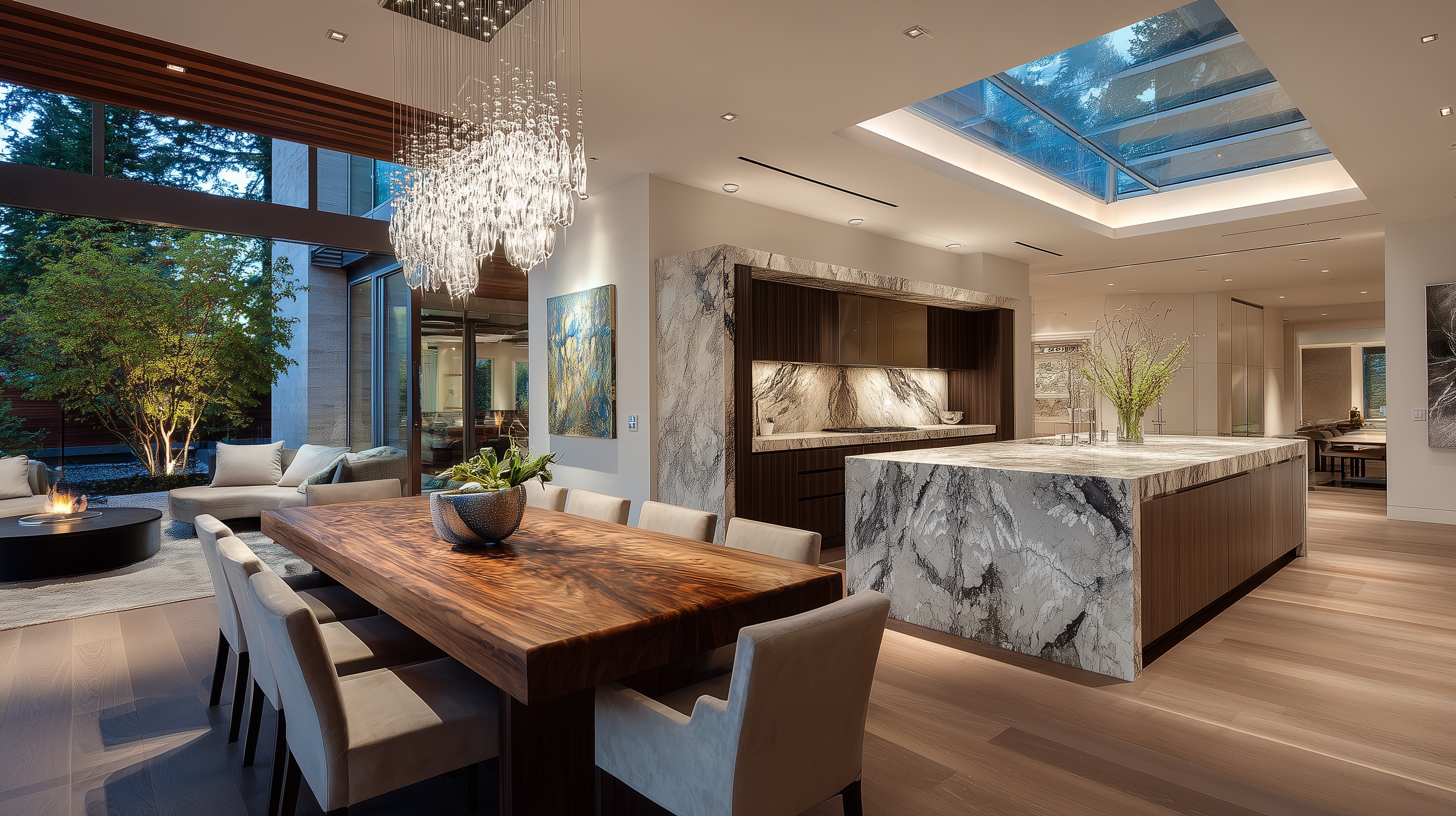
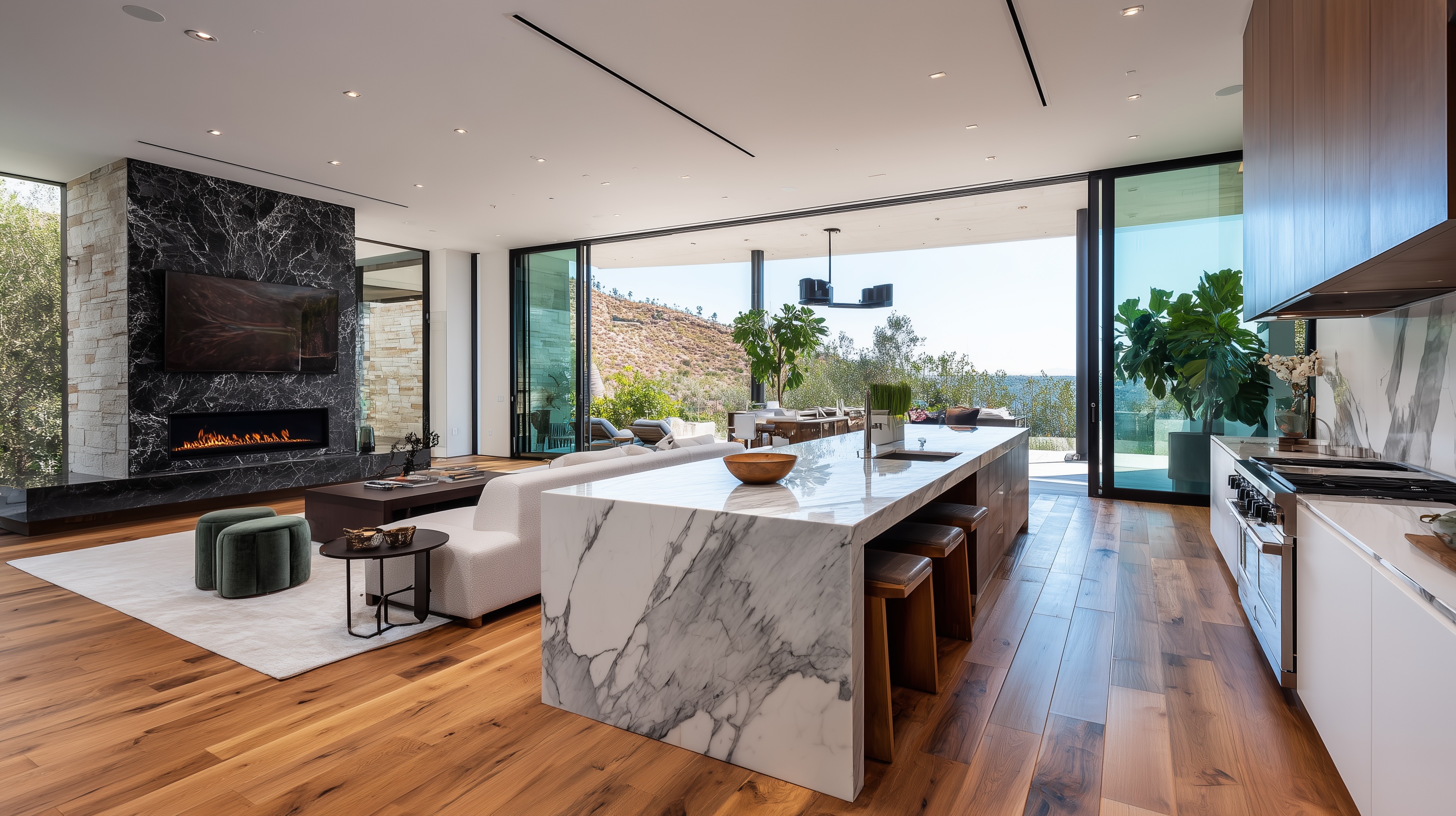
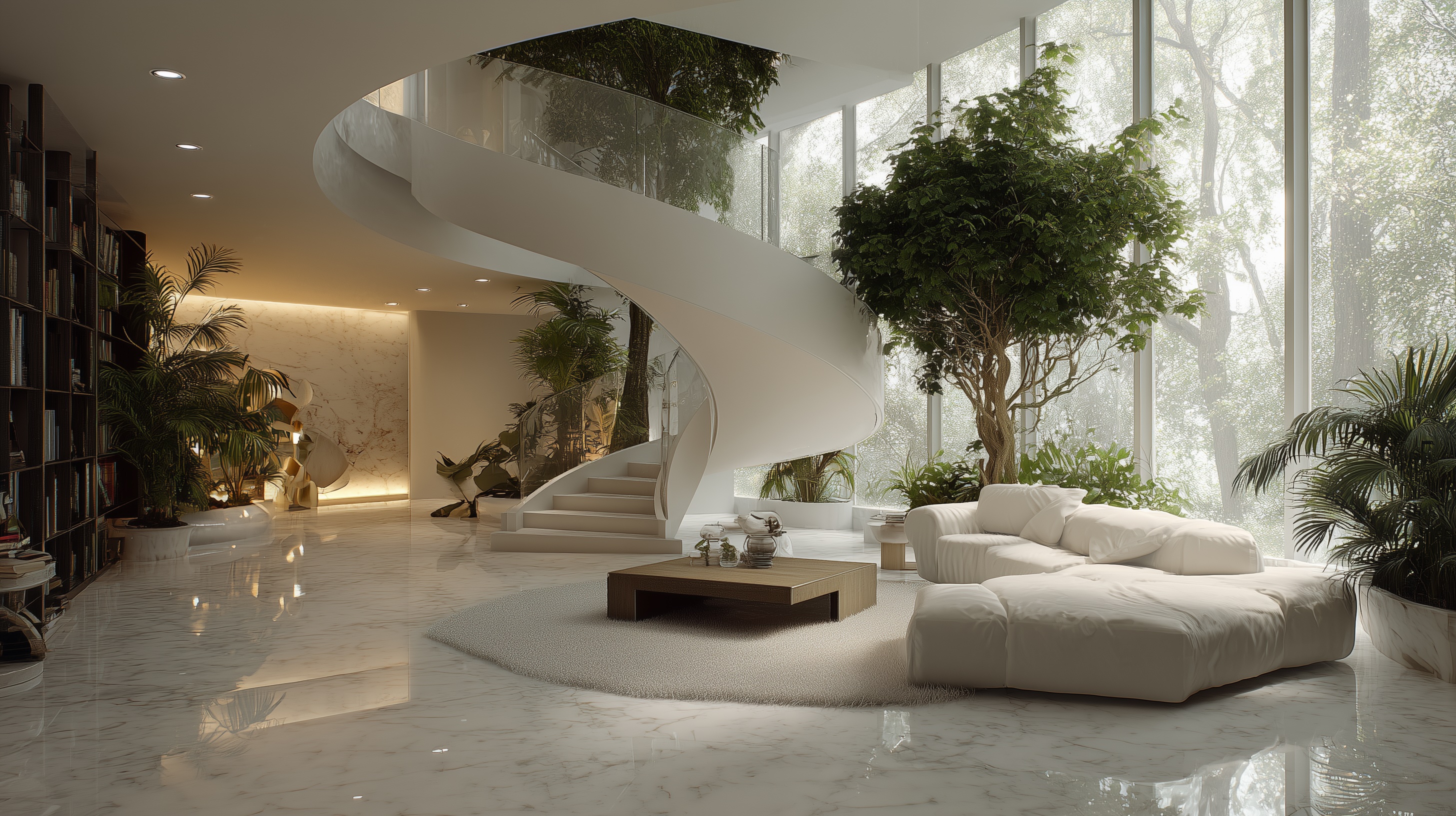
This may be why building performance has historically received less attention in luxury-home marketing. A photograph can show a marble island, but it can't show consistent indoor temperature. It can show floor-to-ceiling windows, but it can't show that you're comfortable sitting beside them on a cold January morning. It can show a beautiful bedroom, but it can't demonstrate how quiet that room feels at night.
The people living in the home experience those qualities every single day. Over the lifetime of a custom home, they may have a far greater impact on satisfaction than many of the finishes that initially attracted the most attention.
At Homes by Westgate, we believe luxury shouldn't end with what a home looks like. A truly well-built custom home should be beautiful, but it should also be comfortable, durable, quiet and designed to perform. The best homes don't simply photograph beautifully. They live beautifully.