
Why Some New Luxury Homes Already Look Dated
Why Some New Luxury Homes Already Look Dated
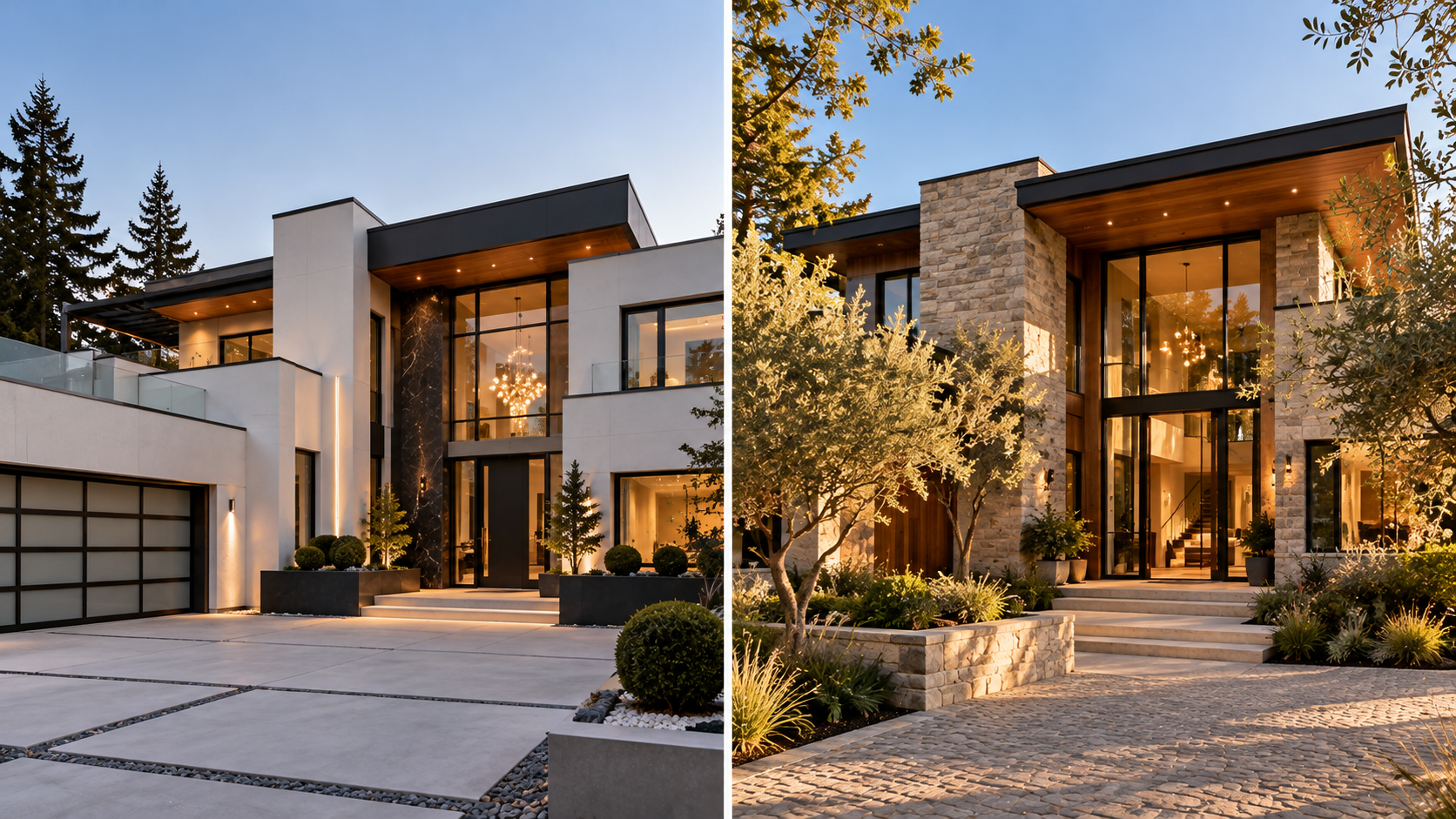
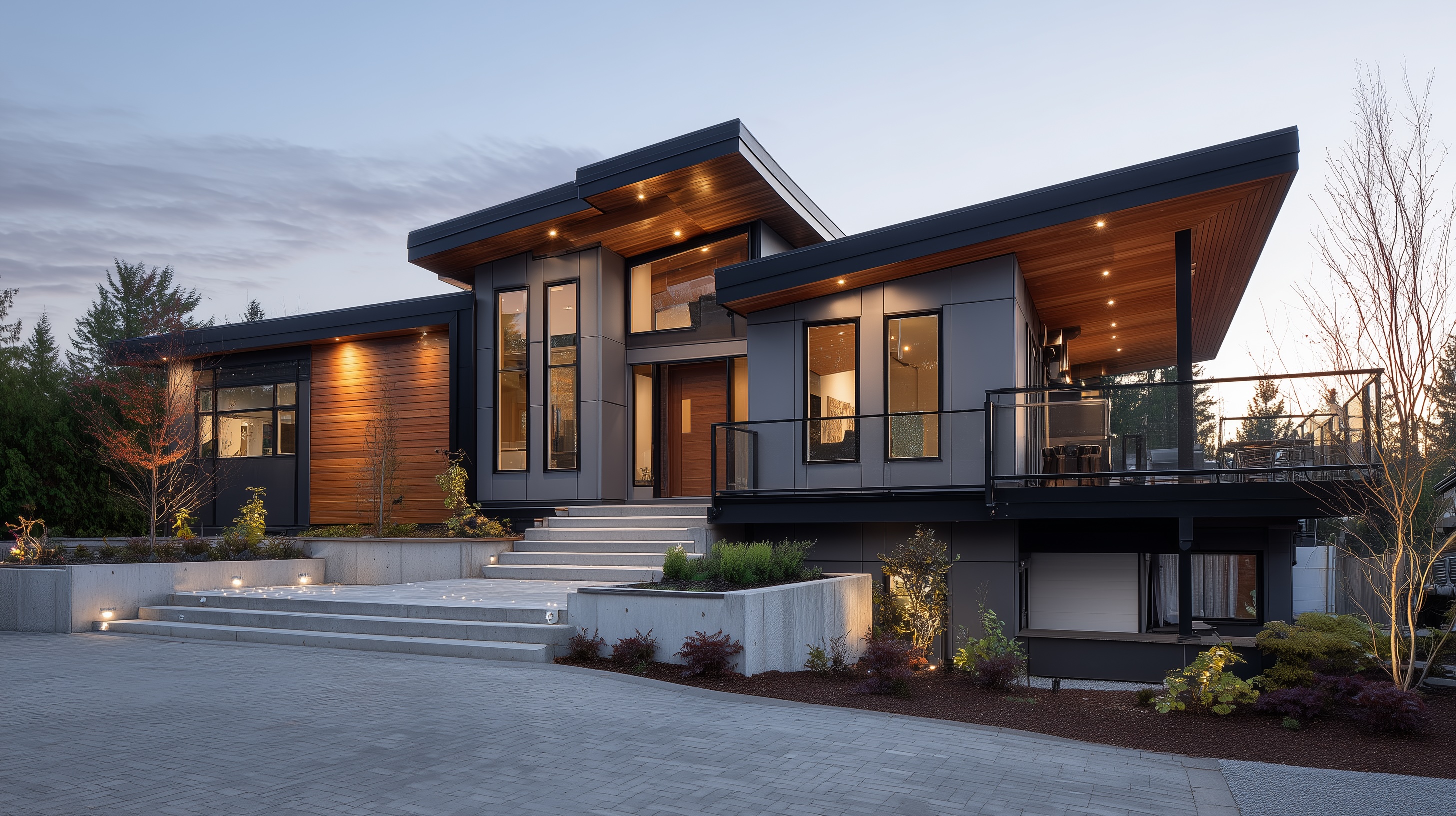
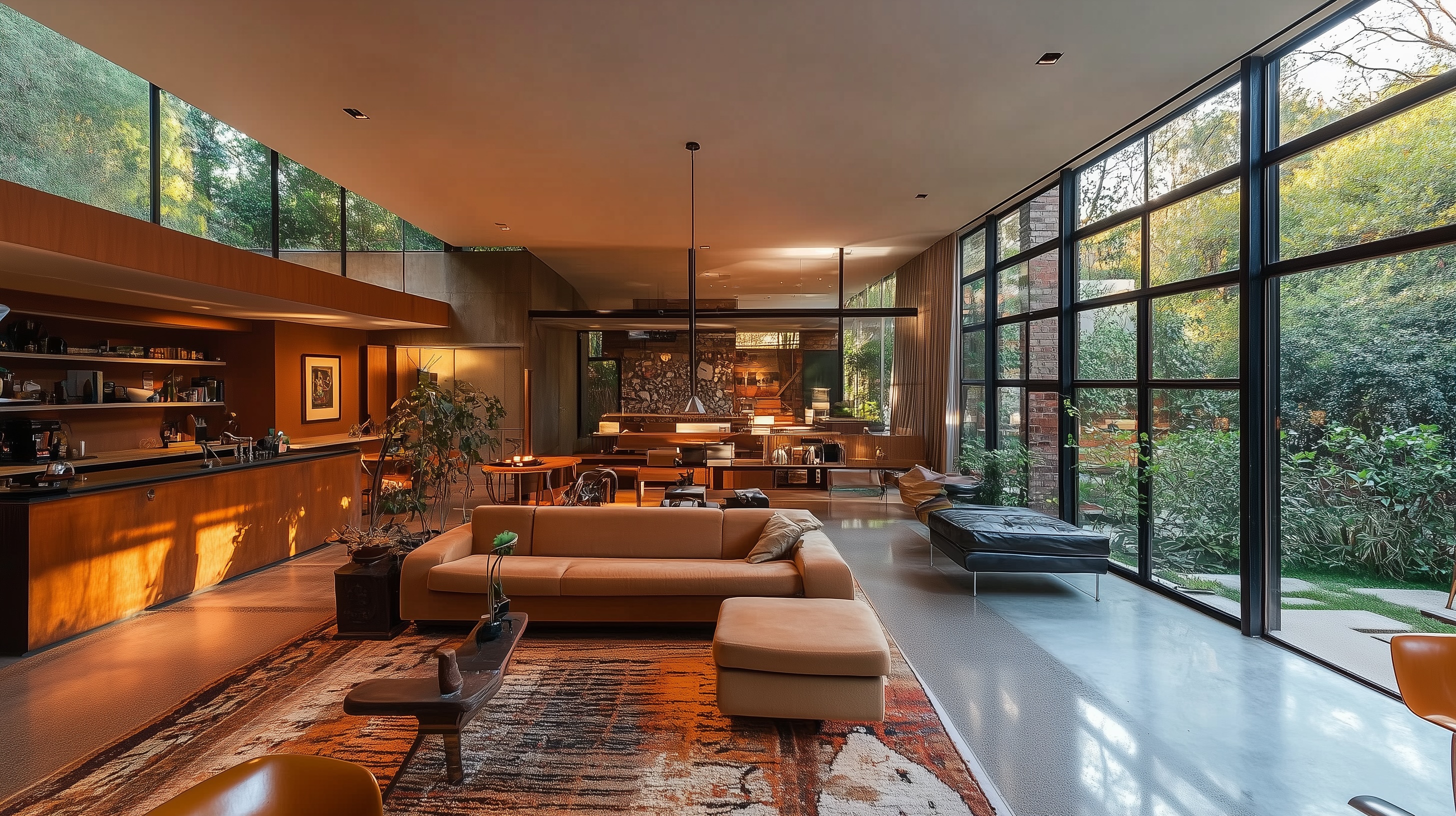
It's possible to walk into a house that was completed only a year or two ago and somehow feel that it already belongs to a very specific moment in design history. The finishes may be expensive, the furniture may be beautiful and the construction may be excellent. The problem is often that too many decisions were based on trends happening at exactly the same time.
Interior design moves quickly, particularly in the age of social media. A particular stone becomes popular, followed by fluted surfaces, curved openings, a specific wood tone, sculptural lighting or a particular style of cabinetry. None of those ideas are inherently problematic. The trouble begins when every trending element enters the same house simultaneously.
When that happens, the home becomes a timestamp. As soon as design culture moves toward something else, the entire interior begins to feel connected to the year it was created.
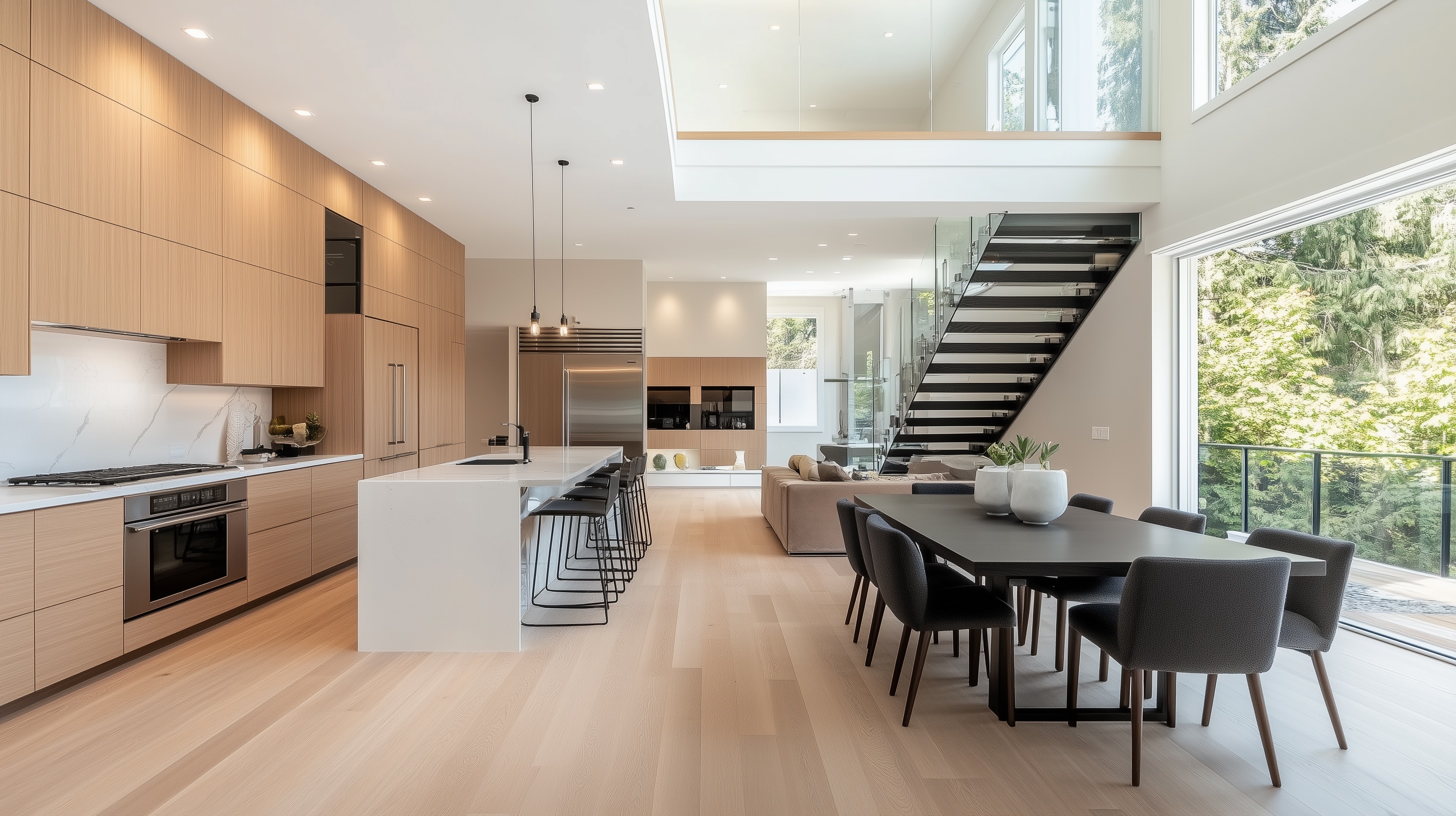
One way to avoid this is to distinguish between permanent and replaceable design decisions. Flooring, cabinetry, architectural openings, major stone installations, staircases and built-in millwork are expensive and disruptive to change. Furniture, paint, decorative lighting, art and textiles are considerably easier to evolve over time. Trends can comfortably exist in the second category without forcing the architecture itself to follow every passing aesthetic.
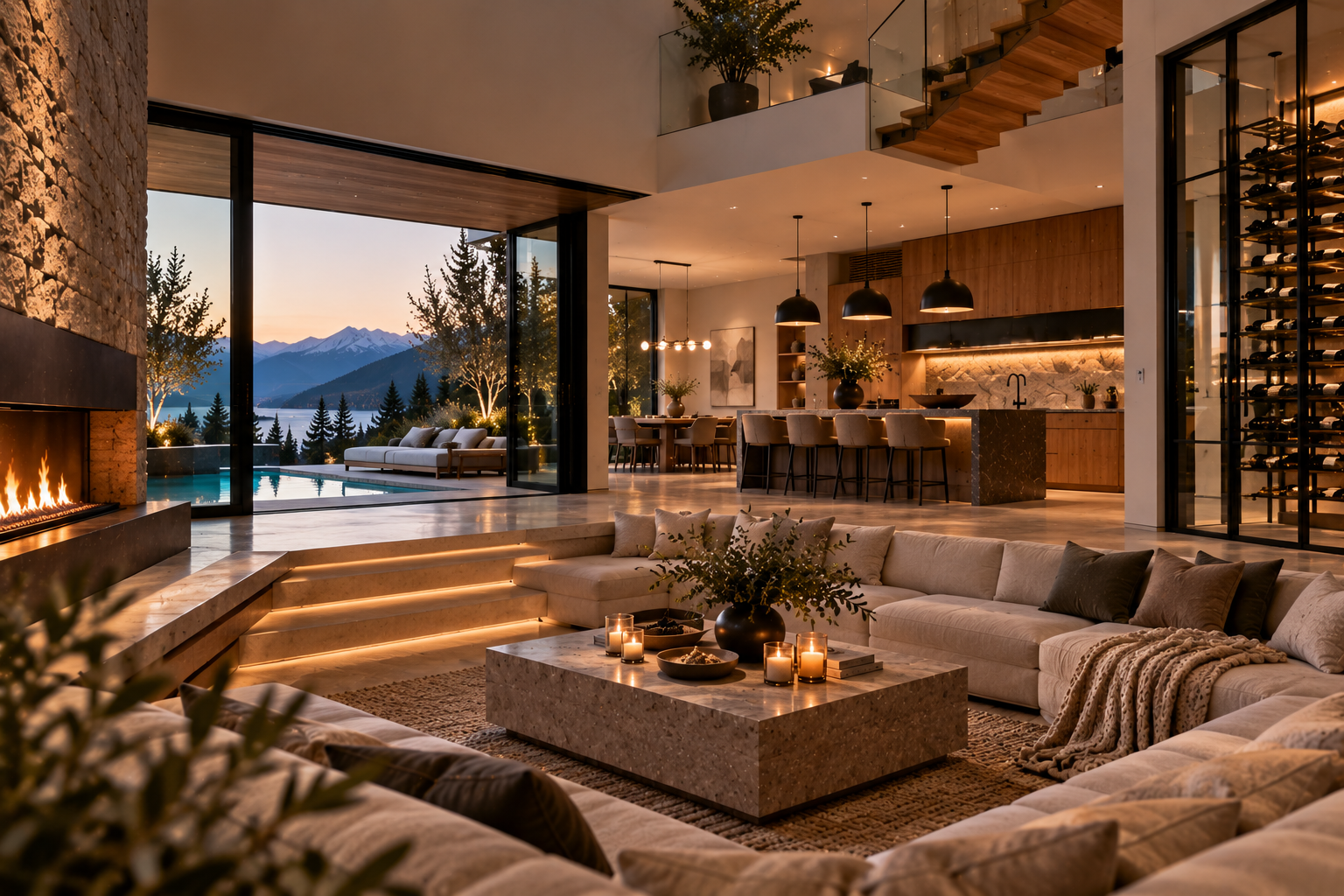
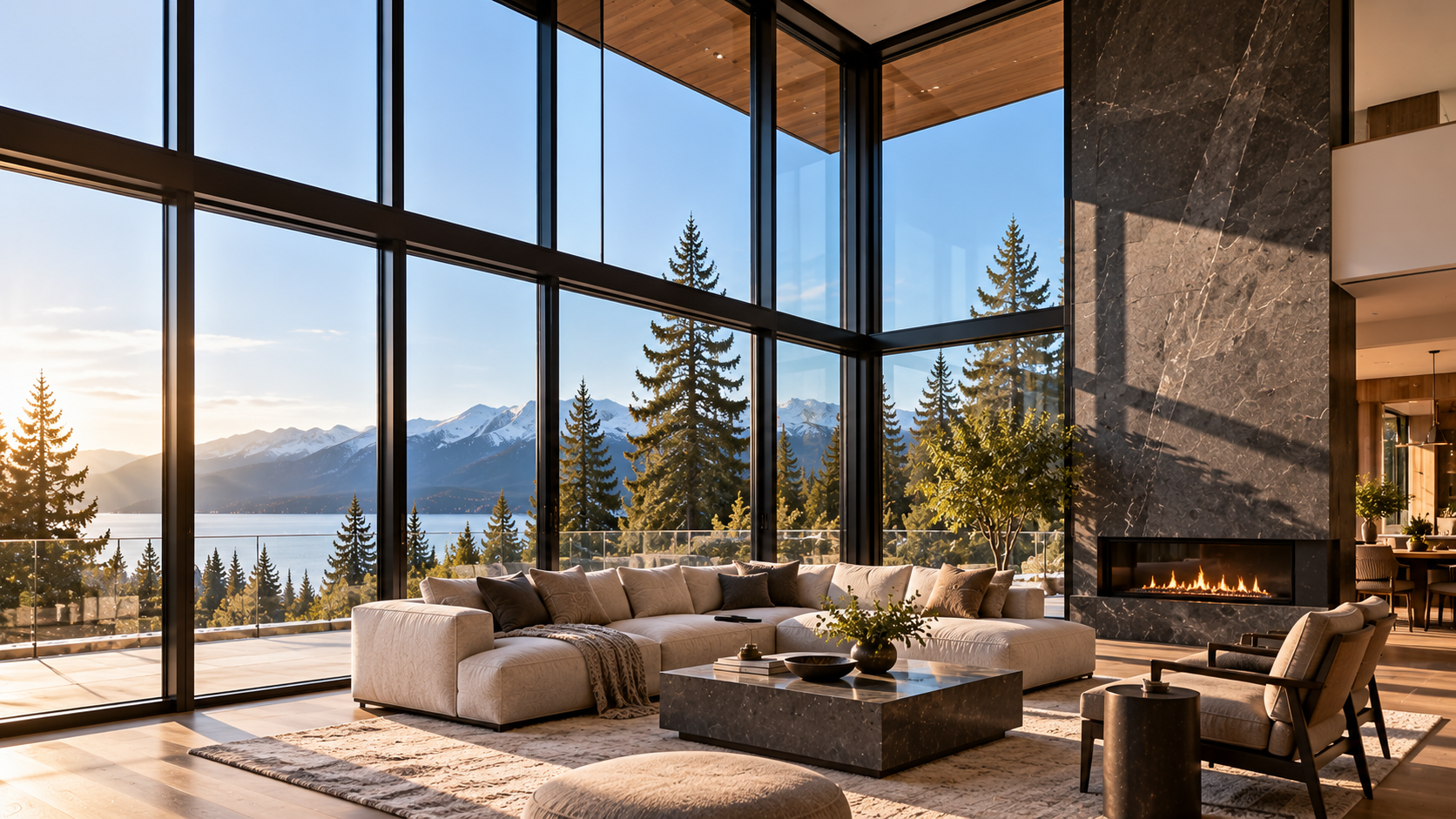
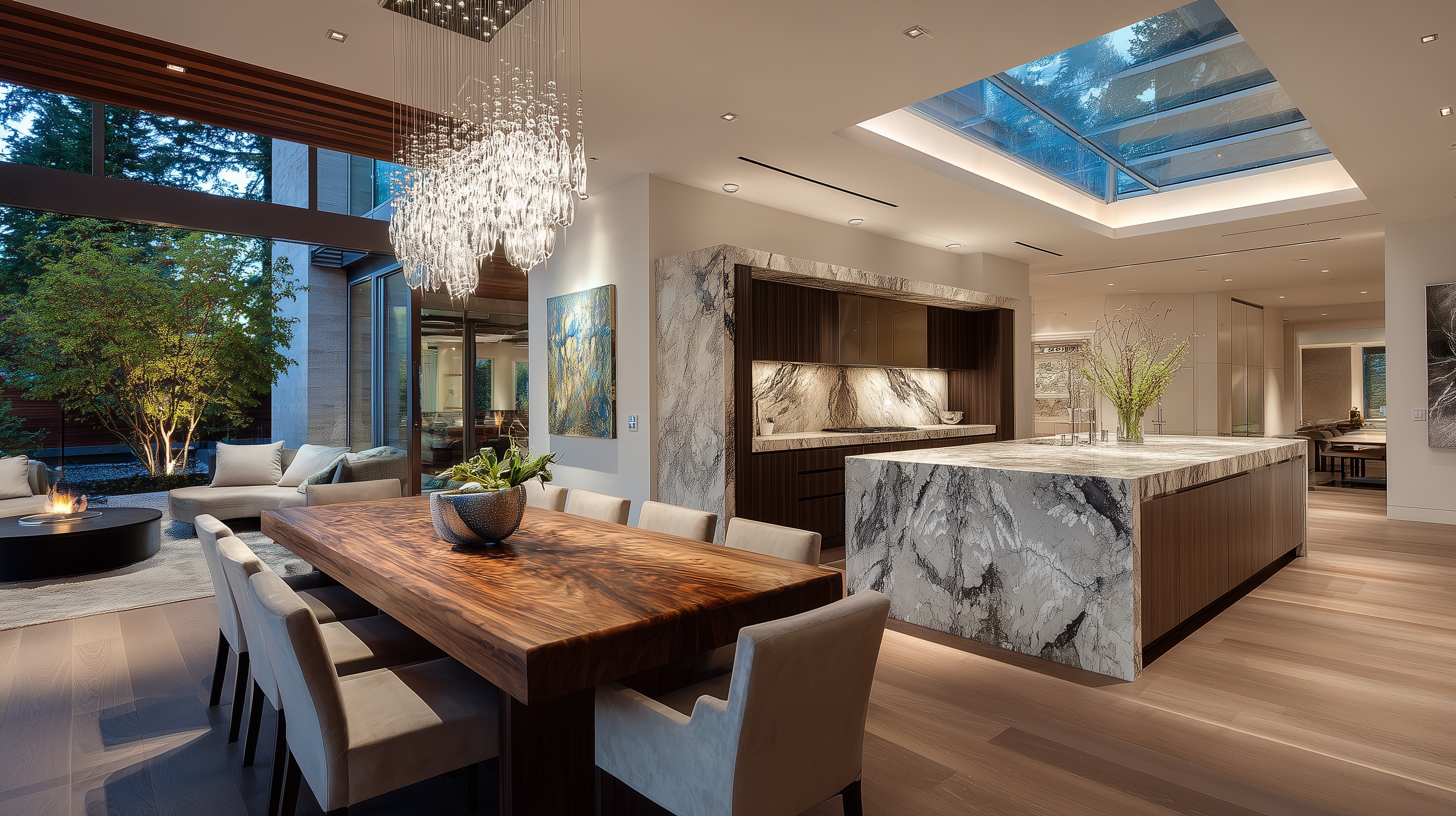
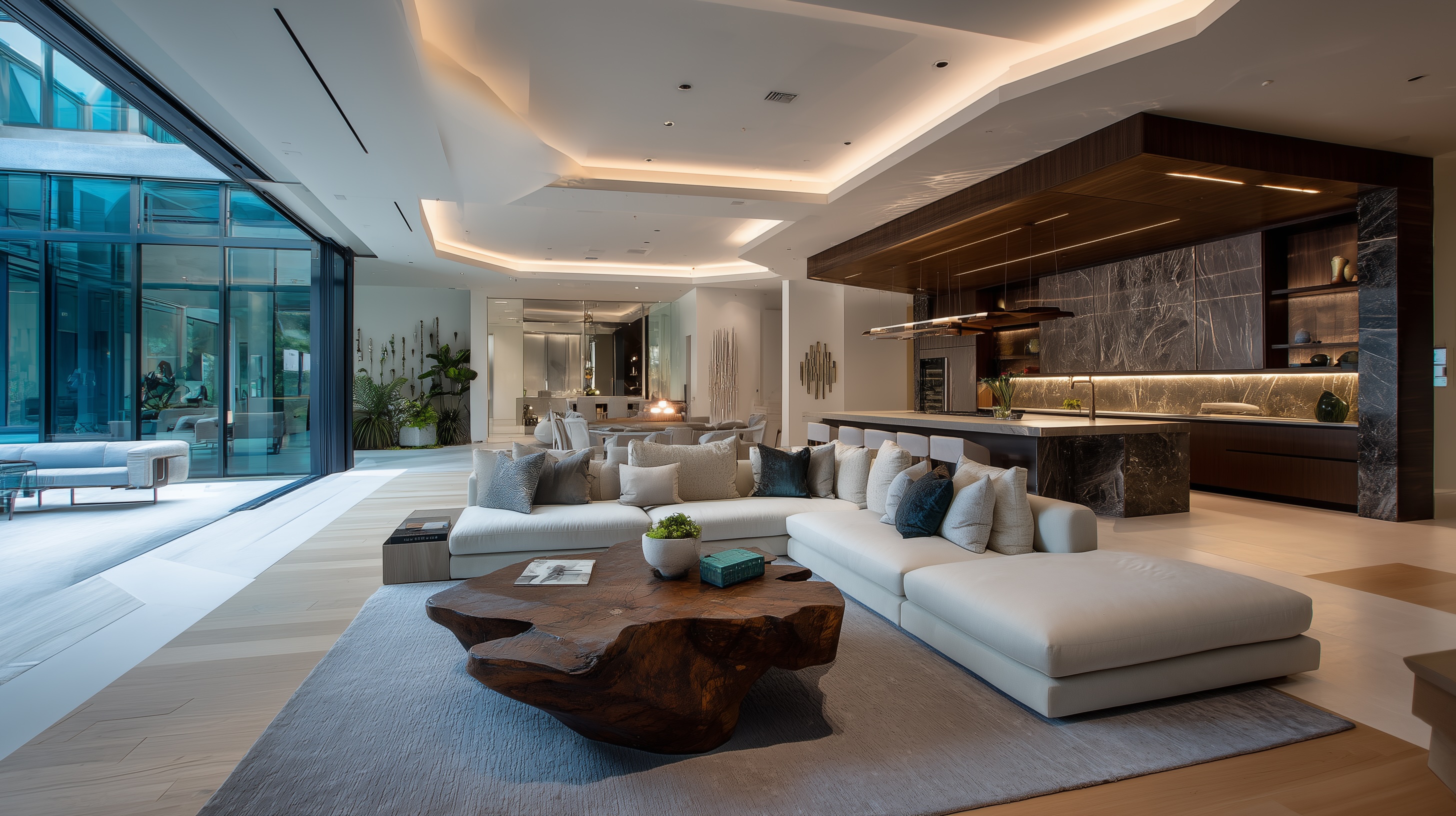
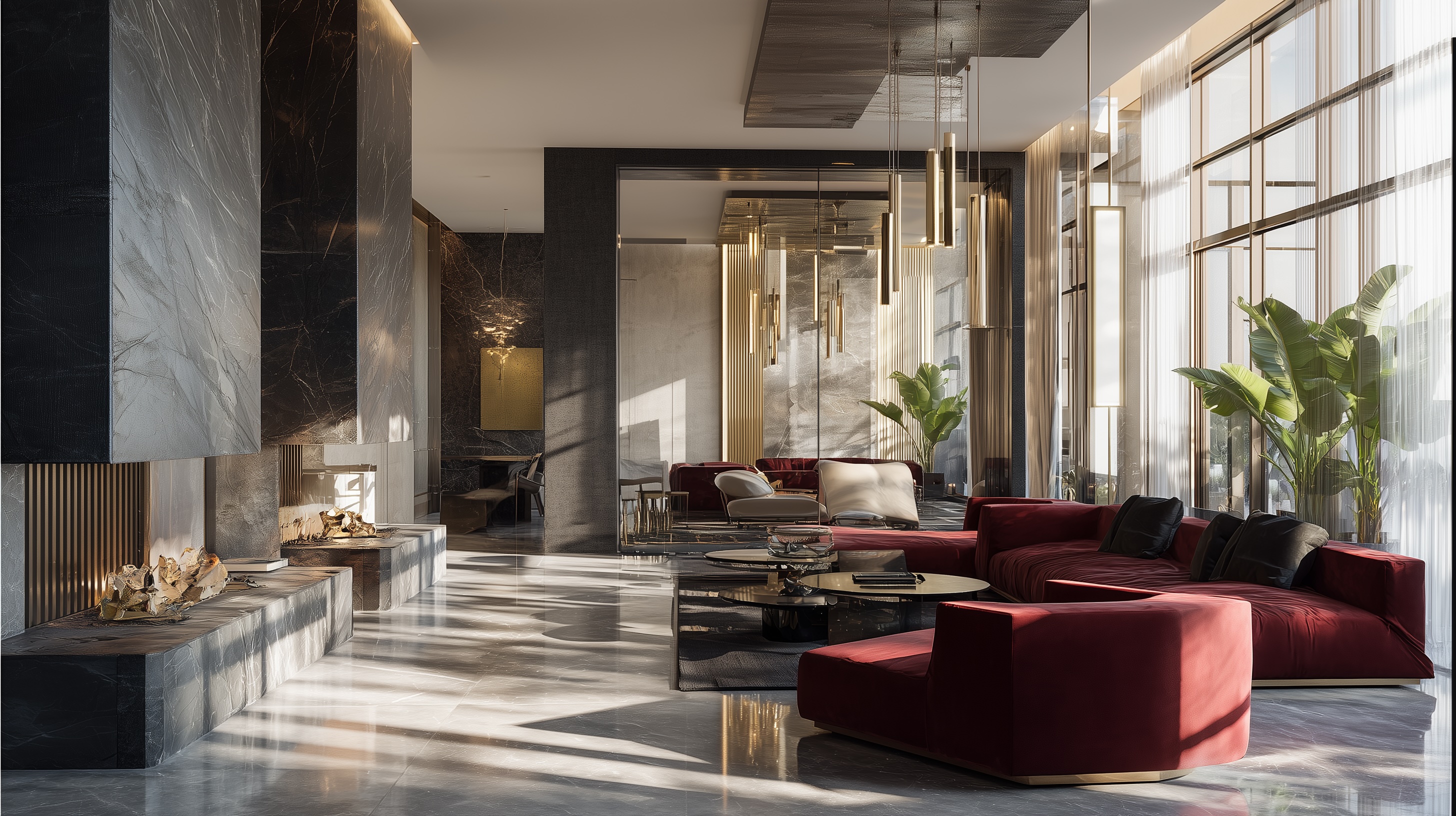
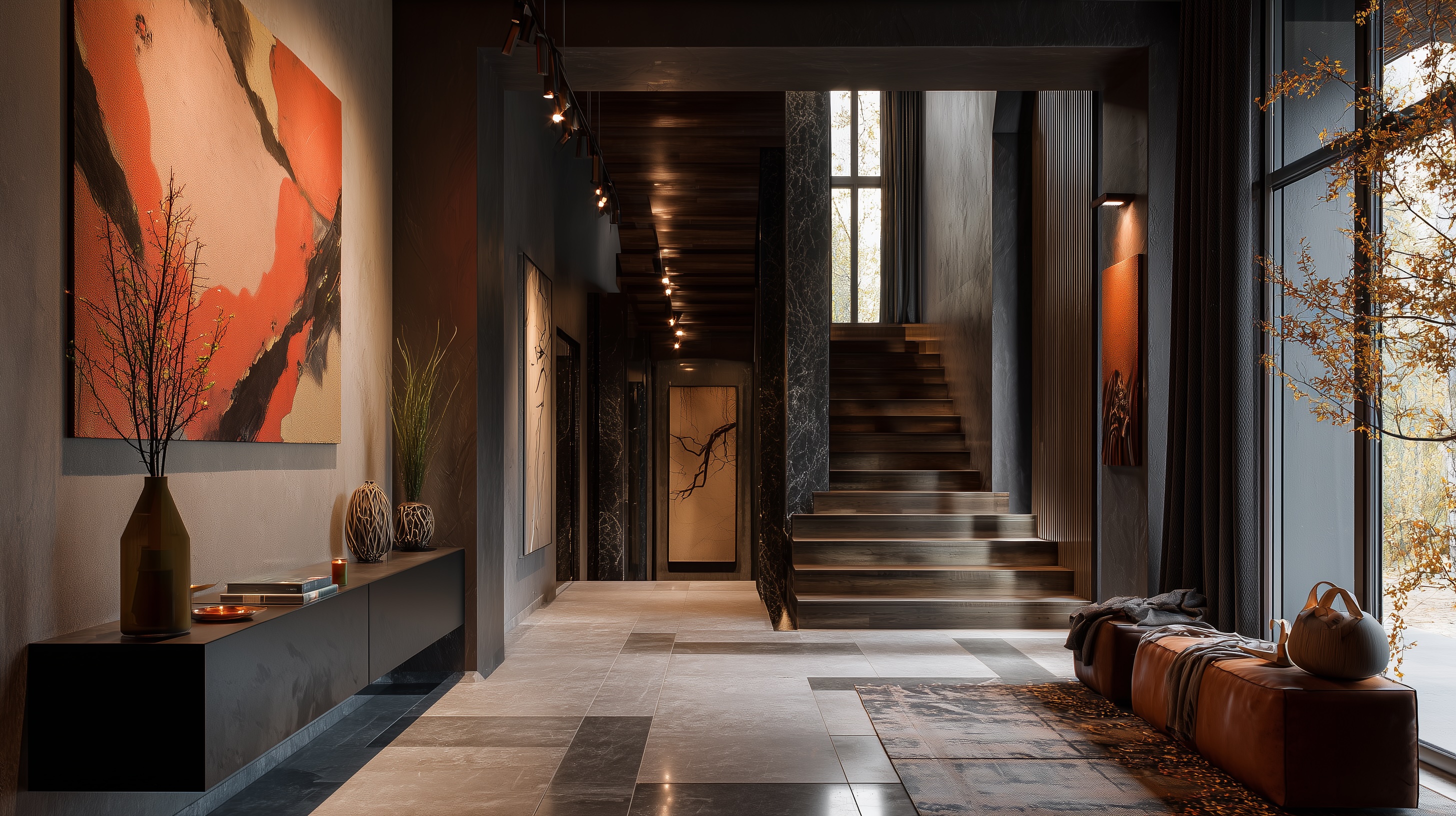
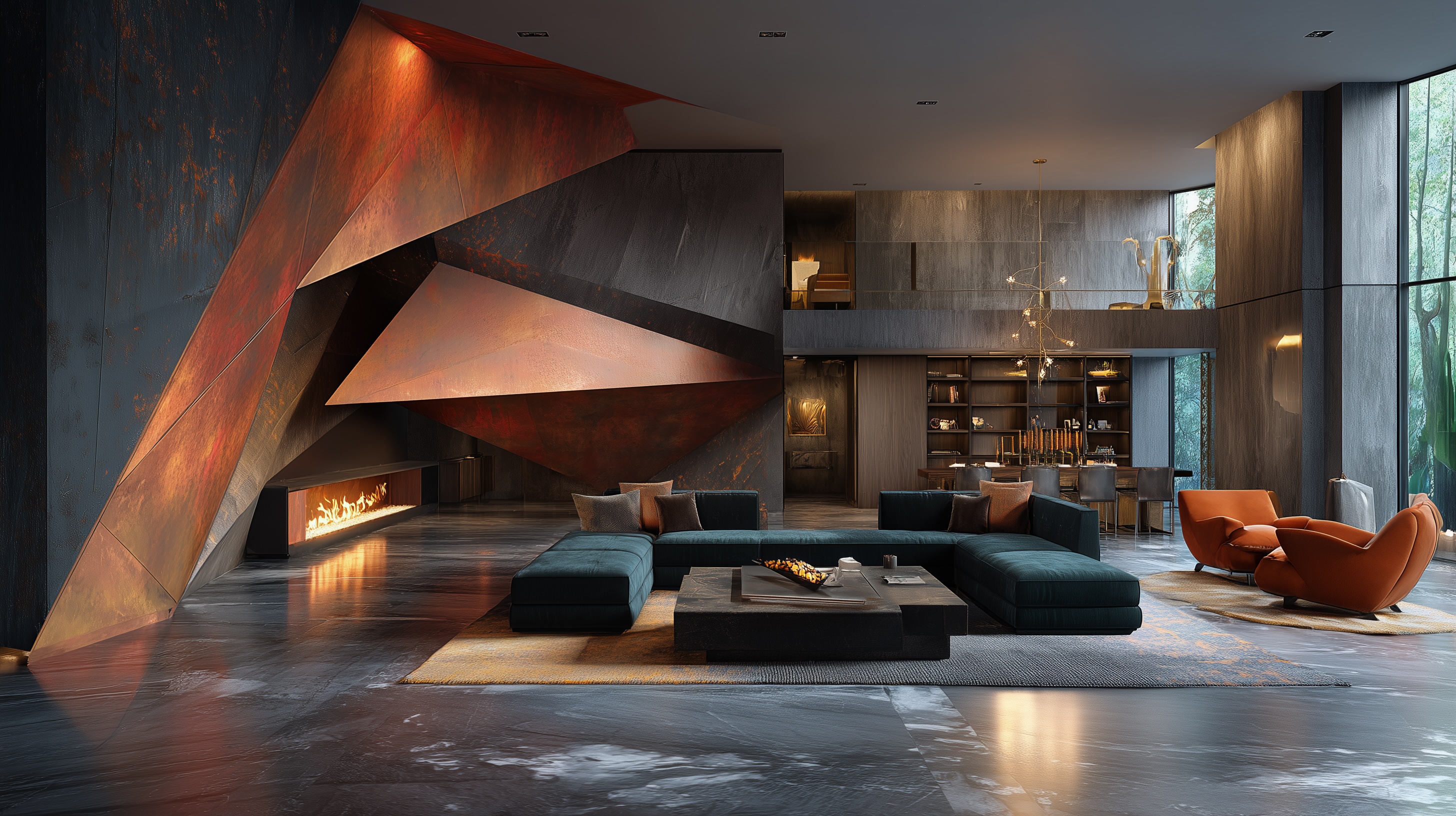
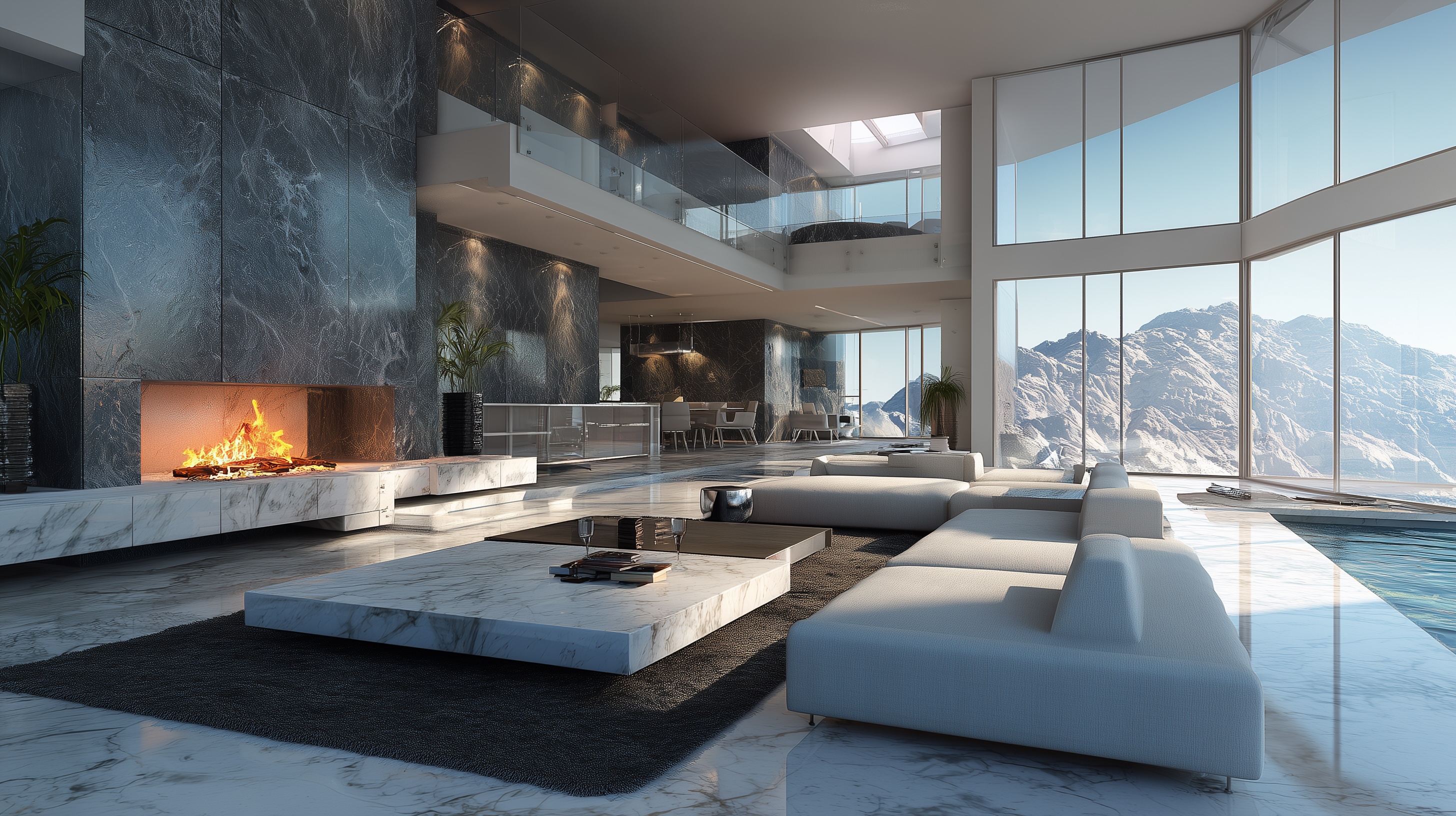
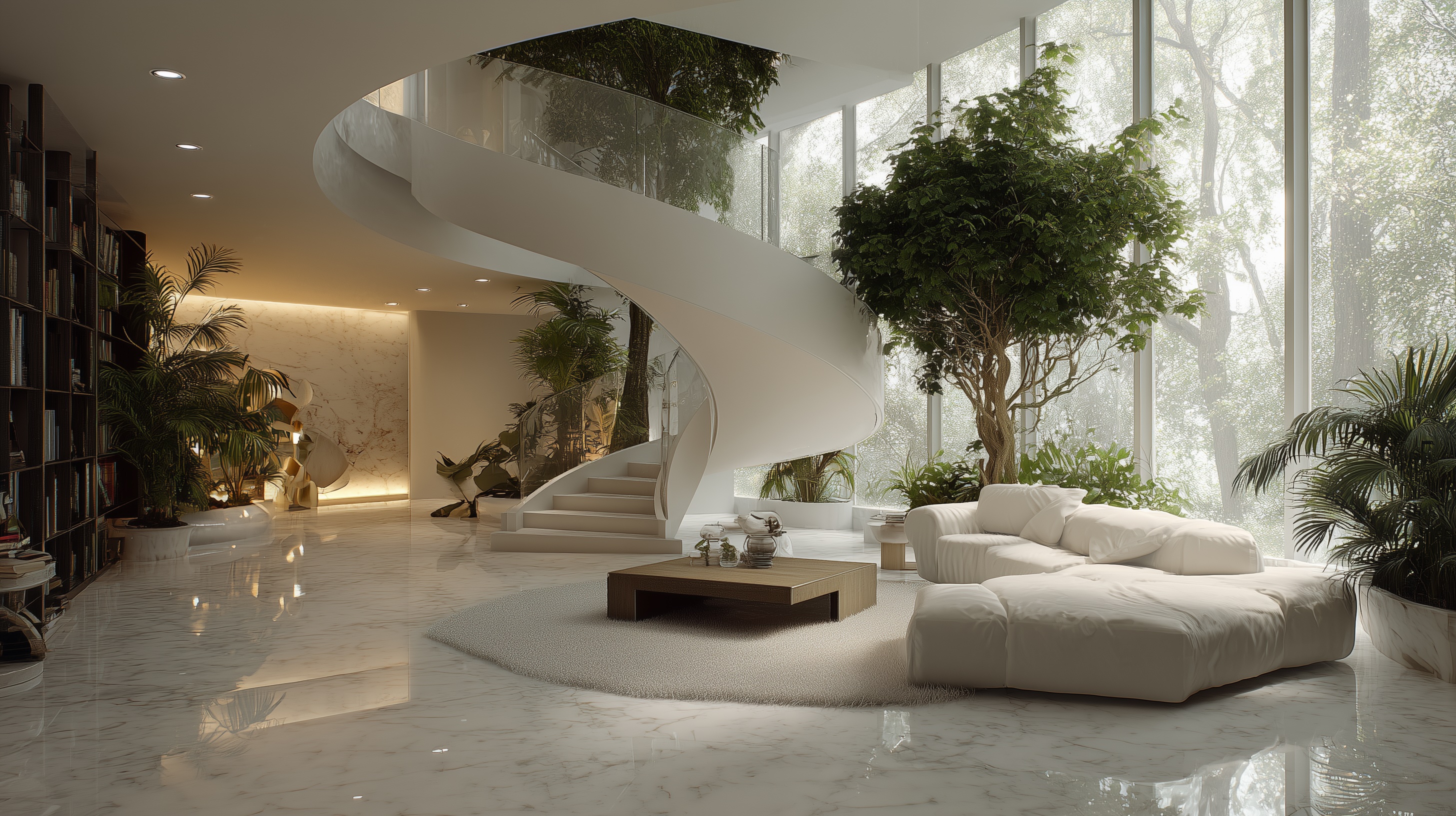
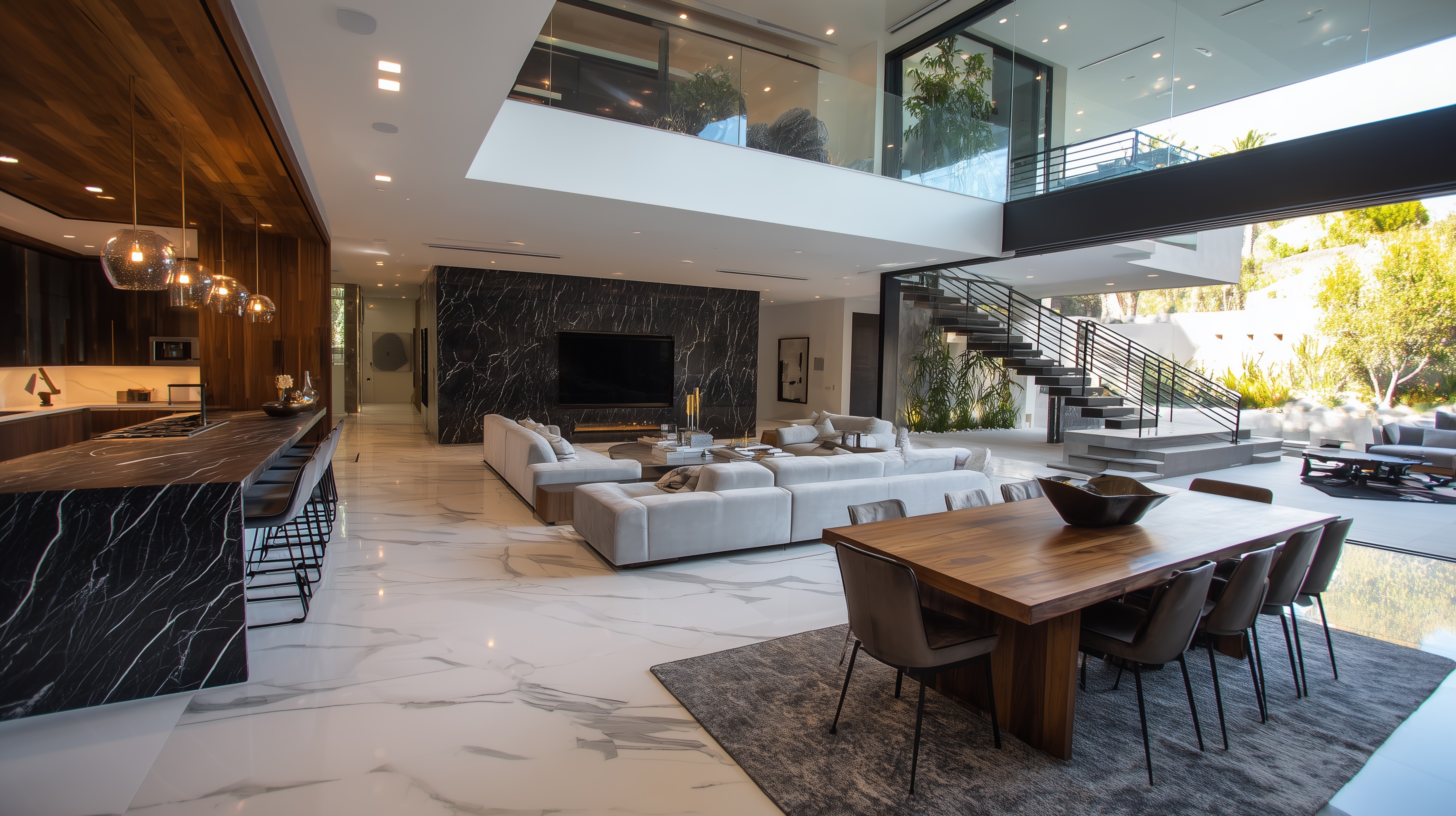
Another common issue is the desire to make every area of the home a focal point. A dramatic fireplace sits beside a dramatic staircase, which leads toward a dramatic kitchen island underneath a dramatic ceiling. The powder room has another statement stone, and the hallway gets its own feature wall. Eventually, the eye has nowhere to rest.
Strong interior design needs hierarchy. Some spaces should command attention while others provide a quieter background. Restraint gives the most important architectural moments room to actually feel important.
None of this means a timeless home should be neutral or devoid of personality. In fact, personal interiors often age better than trend-driven ones. Artwork, cultural influences, collected objects, unusual materials, antiques and colour can create spaces that feel deeply connected to the people who live there rather than to a particular moment online.
When considering a major design decision, one useful question is surprisingly simple: "Do I genuinely love this, or have I simply seen it everywhere recently?" In a custom home, where many finish decisions are intended to last for decades, knowing the difference can be incredibly valuable.