

The Kitchen Is Getting a Back Kitchen: Why Secondary Kitchens Are Becoming a Luxury-Home Essential
The Kitchen Is Getting a Back Kitchen: Why Secondary Kitchens Are Becoming a Luxury-Home Essential
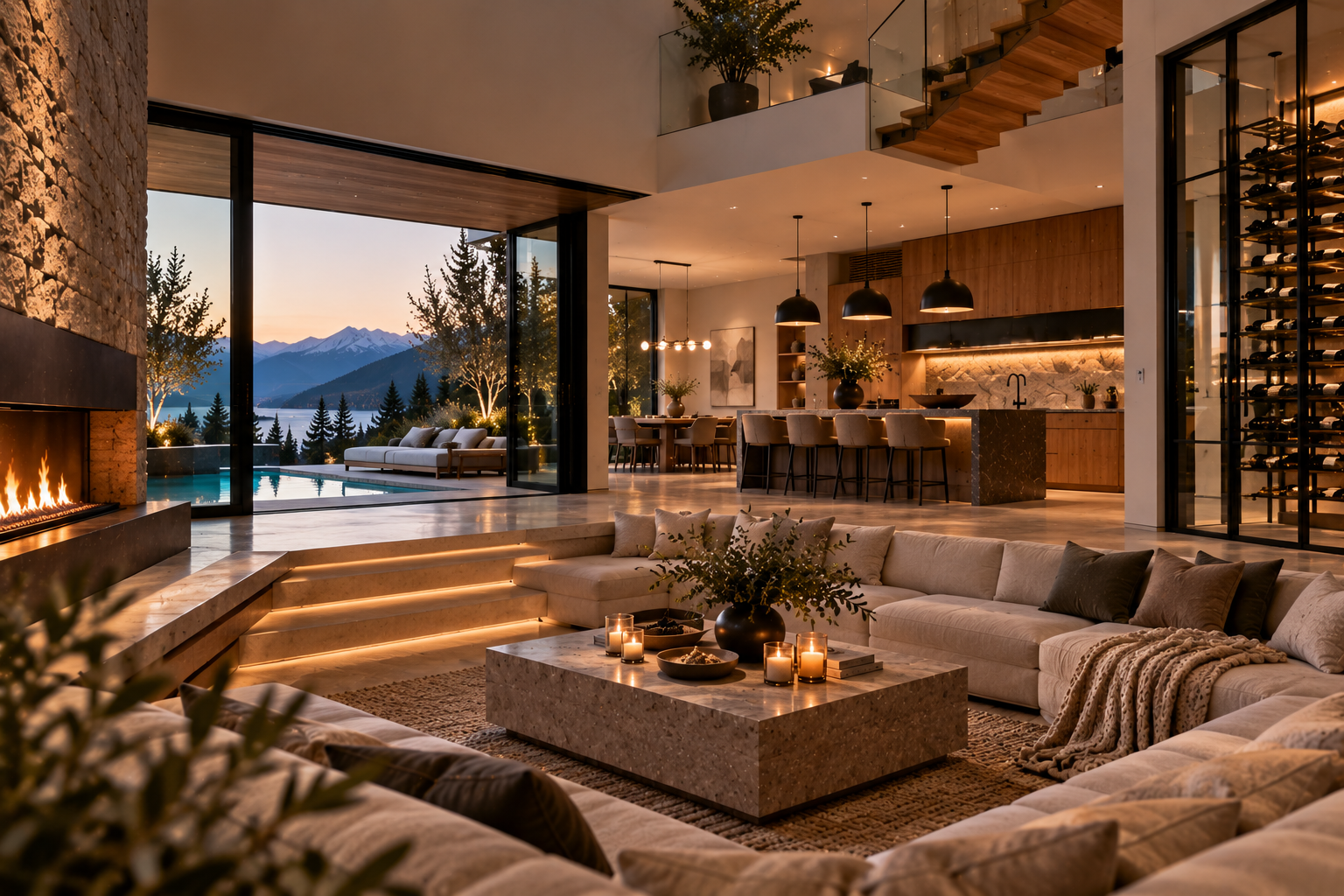
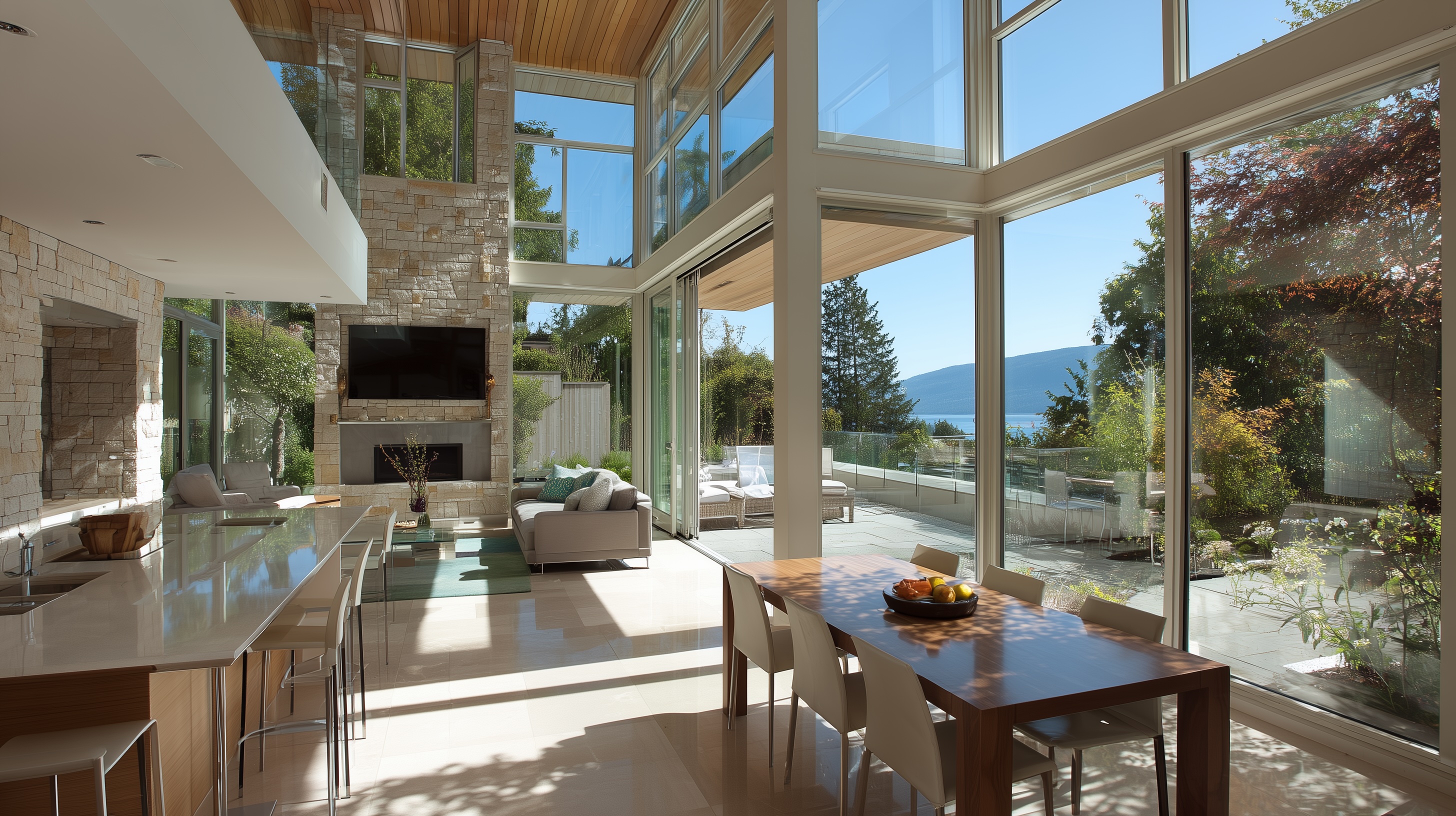
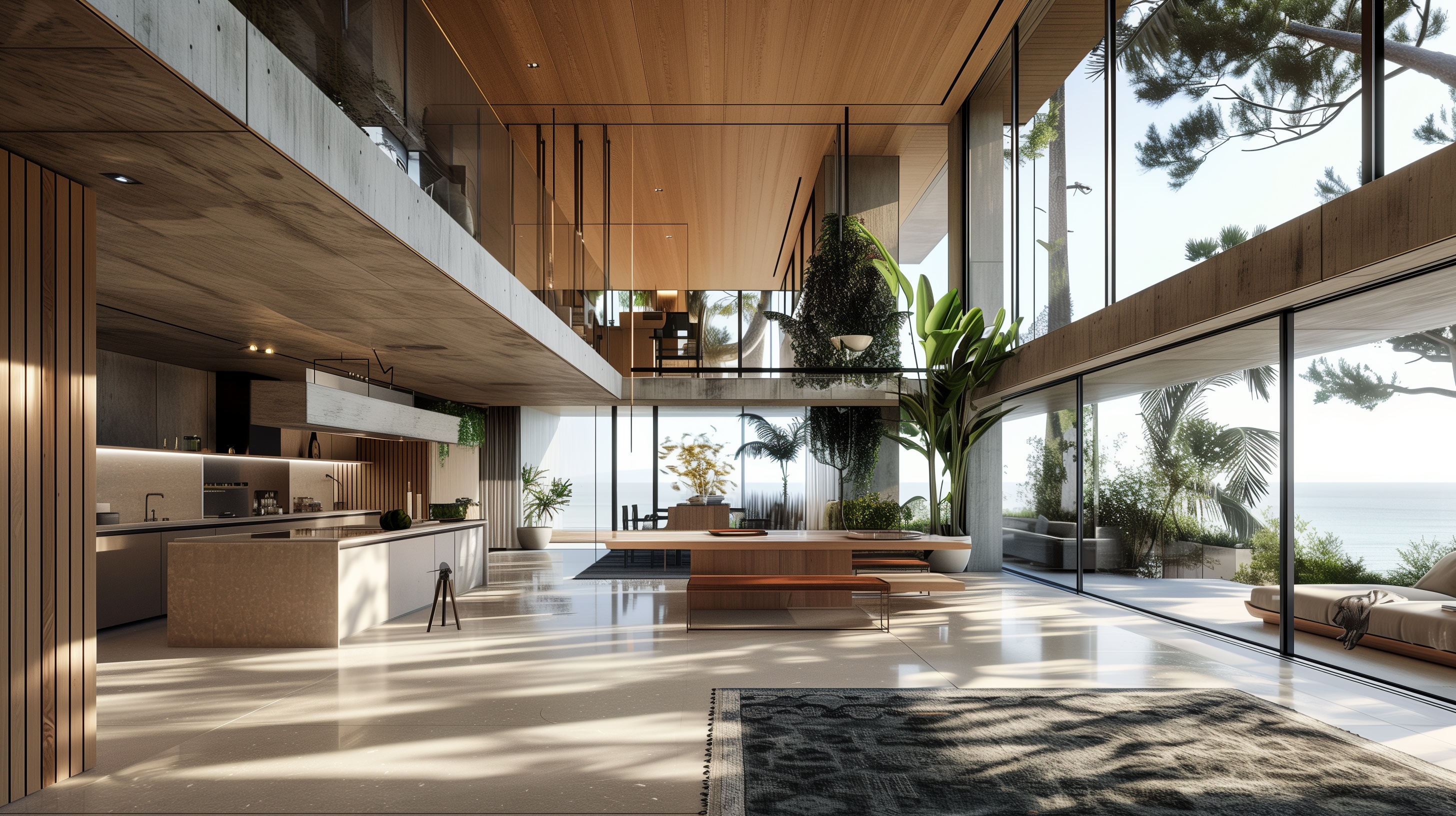
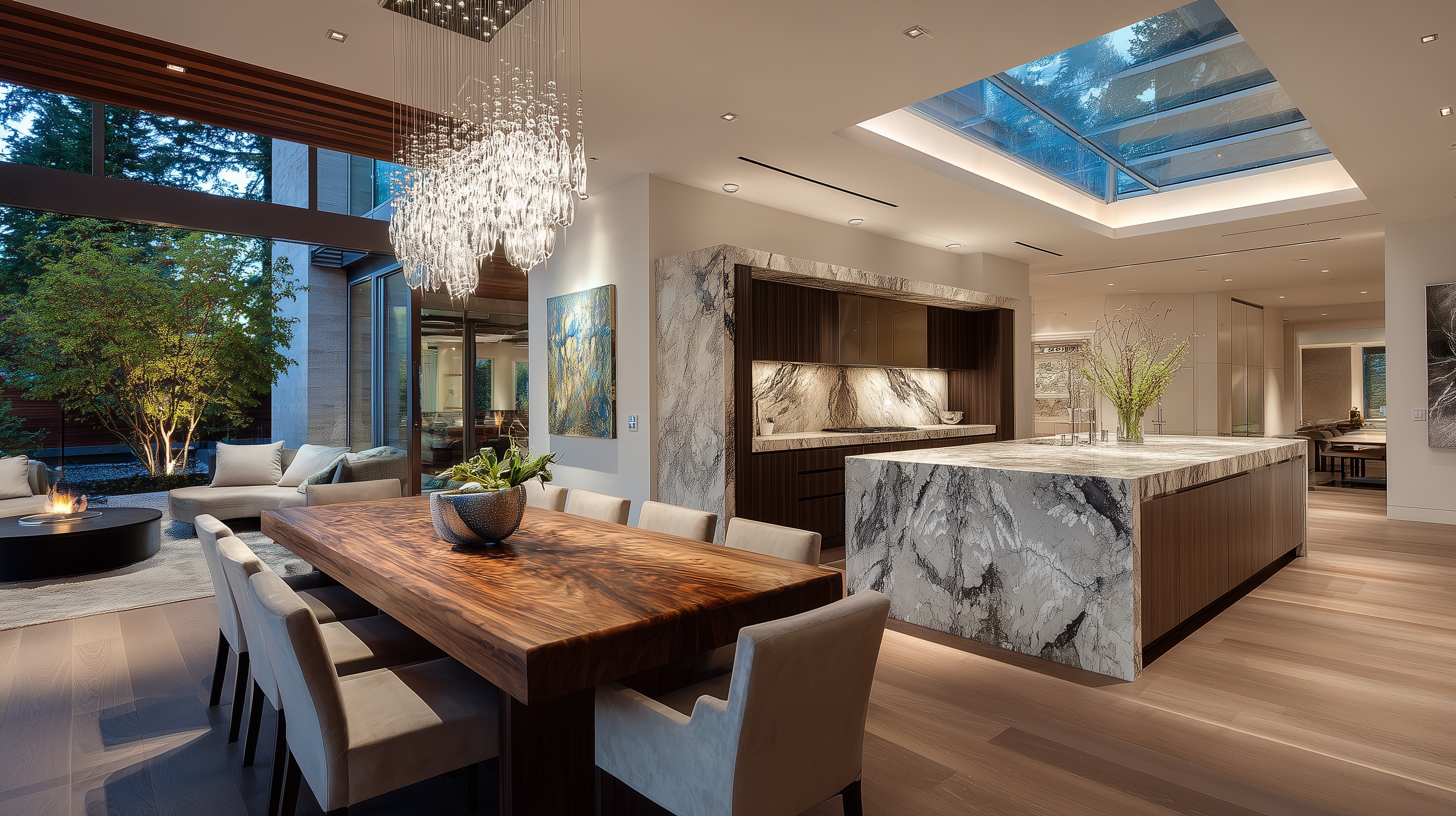
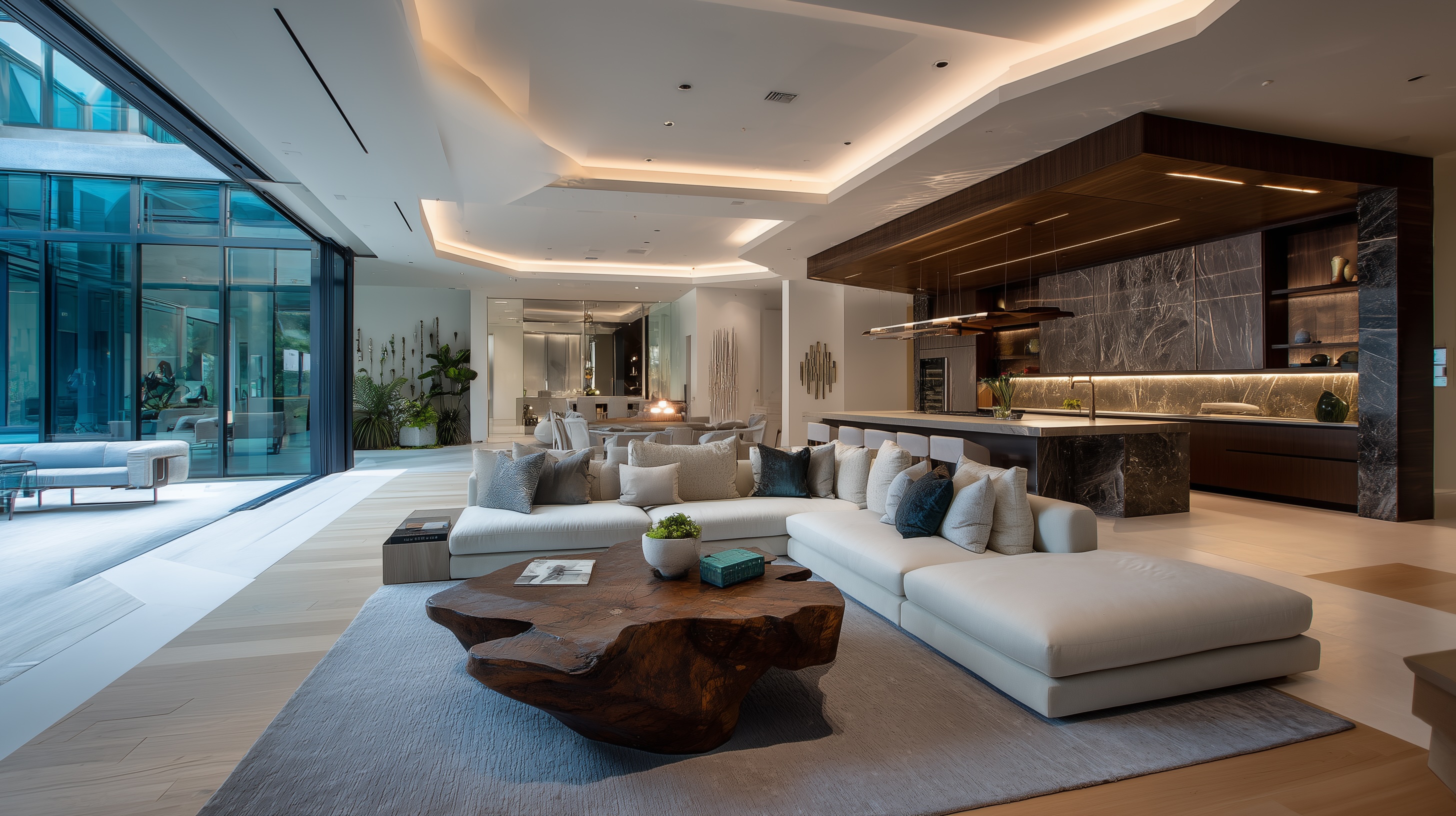
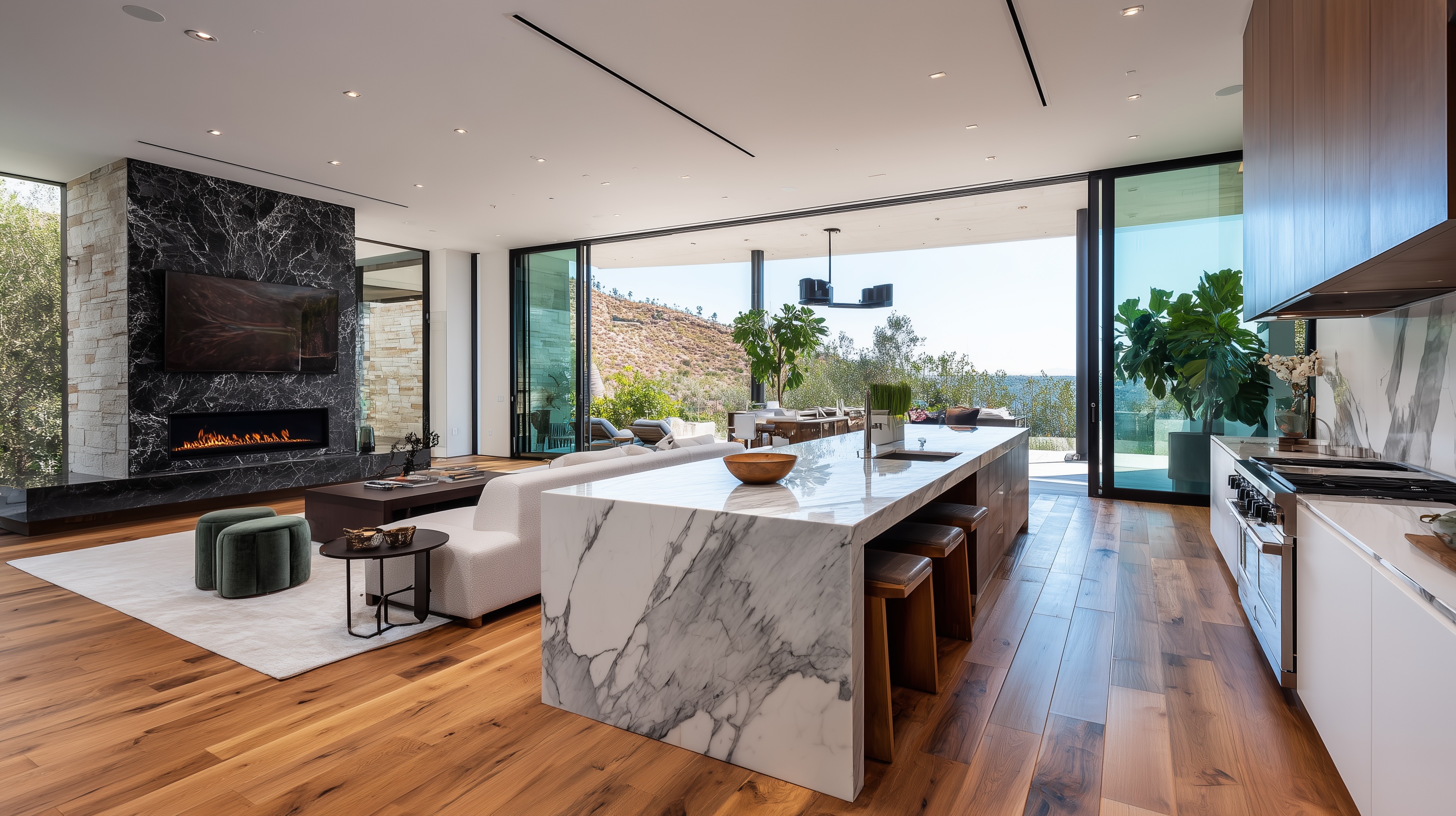
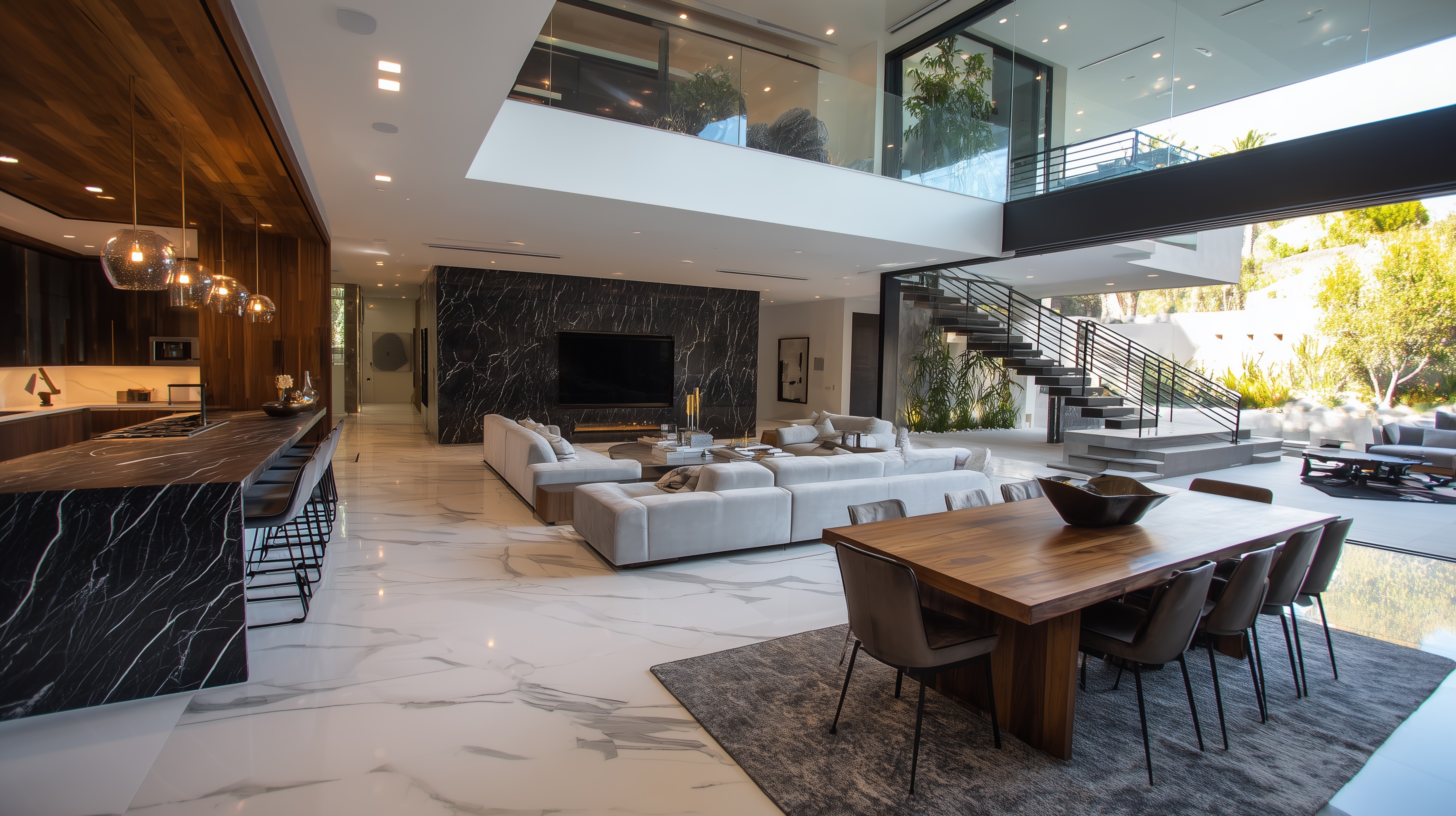
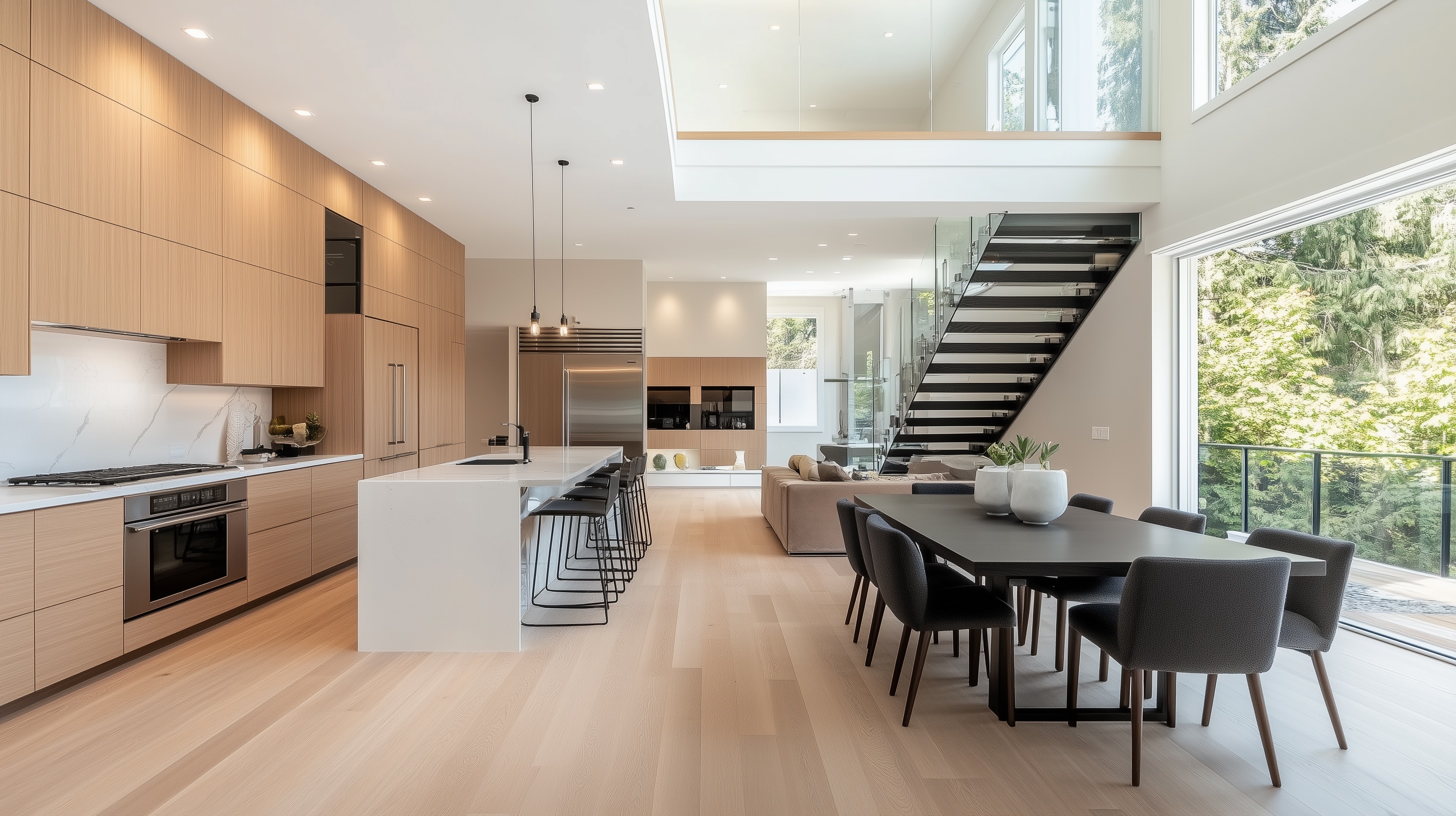
For decades, the kitchen has steadily moved from a utilitarian room hidden at the back of the house to one of its main architectural features. Walls disappeared, islands became larger, stone became more dramatic and kitchens began opening directly into dining and living areas. Eventually, the kitchen became one of the most photographed rooms in the home. Then homeowners encountered an inconvenient reality: they still had to cook in it.
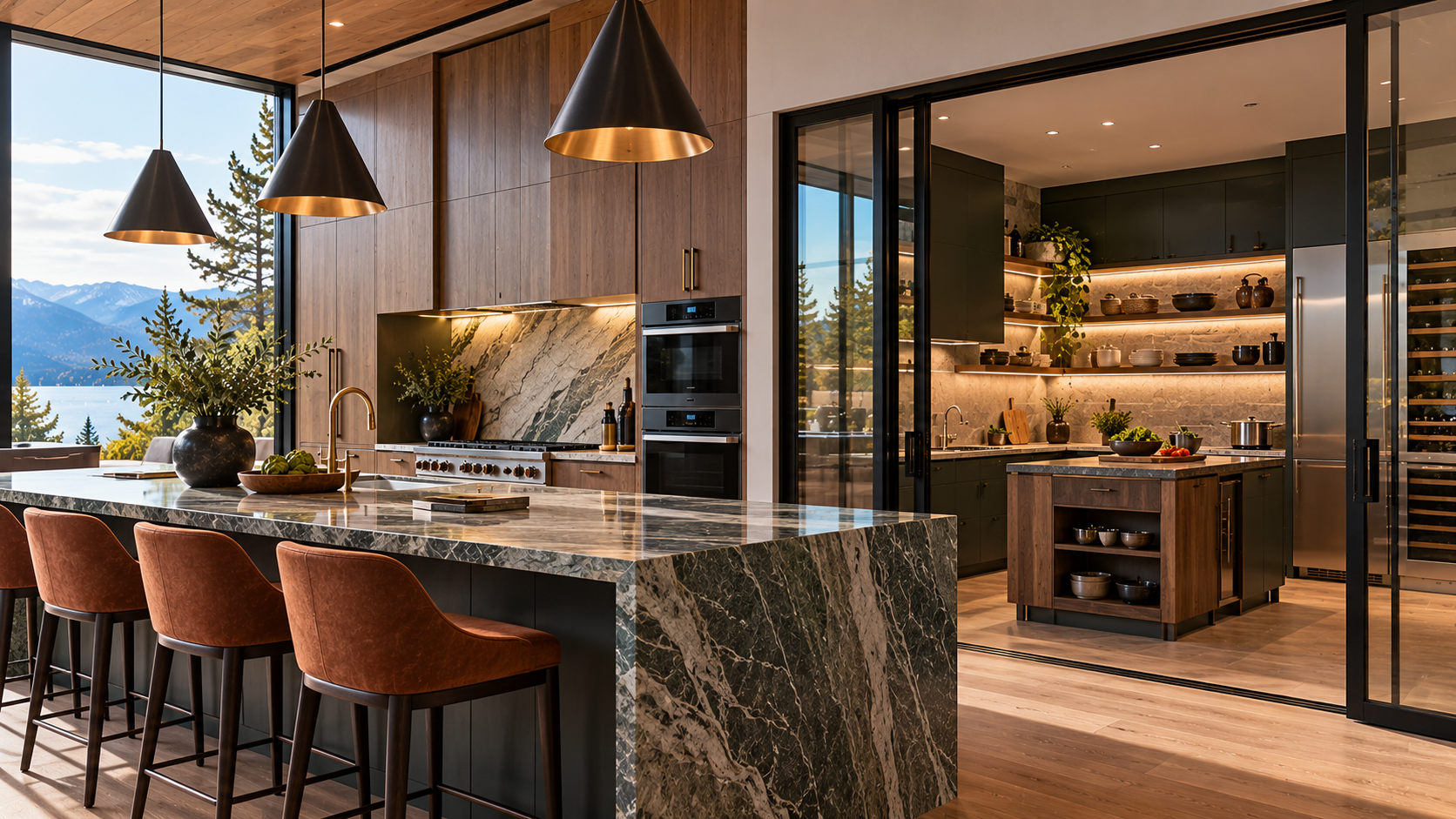
This is one reason secondary kitchens, often called back kitchens, working kitchens or prep kitchens, are becoming increasingly common in custom residential design. The concept is relatively straightforward. The primary kitchen remains connected to the main living and entertaining areas, while a second space nearby handles some of the less glamorous realities of cooking.
Depending on the household, a back kitchen might contain an additional sink, dishwasher, refrigerator, freezer, oven, small appliances, pantry storage or substantial prep space. For homeowners who entertain frequently, it can also provide an area where caterers work behind the scenes while the primary kitchen remains available to guests.
The benefit isn't simply hiding dirty dishes. Families who cook frequently may appreciate having multiple preparation areas. Additional refrigeration can be valuable for larger households. Coffee machines, mixers, air fryers and other countertop appliances can remain accessible without permanently occupying the main kitchen. For households where aromatic or high-heat cooking is common, a secondary kitchen can also allow ventilation and cooking equipment to be designed around those specific needs.
However, a back kitchen isn't automatically necessary simply because it has become popular. Custom design should solve a problem, not create an expensive room in search of a purpose. Before incorporating one, it's worth understanding how the household actually cooks. How often are meals prepared at home? Do several people cook simultaneously? How frequently do you entertain? Which appliances stay on the counter? How much food storage is required? Would a larger pantry accomplish the same objective?
The answers should determine the design. For one family, a compact appliance pantry may be sufficient. For another, a fully equipped secondary kitchen may fundamentally improve how the house operates.
This represents a broader shift we're seeing in luxury residential design. Some of the most valuable rooms in a home are increasingly the spaces guests barely notice. Back kitchens, mudrooms, laundry rooms and storage areas quietly support the more visible architecture around them. Luxury isn't only about making a house impressive. It's about making everyday life inside it easier.